









Peso revisits record low on Mideast flare-up

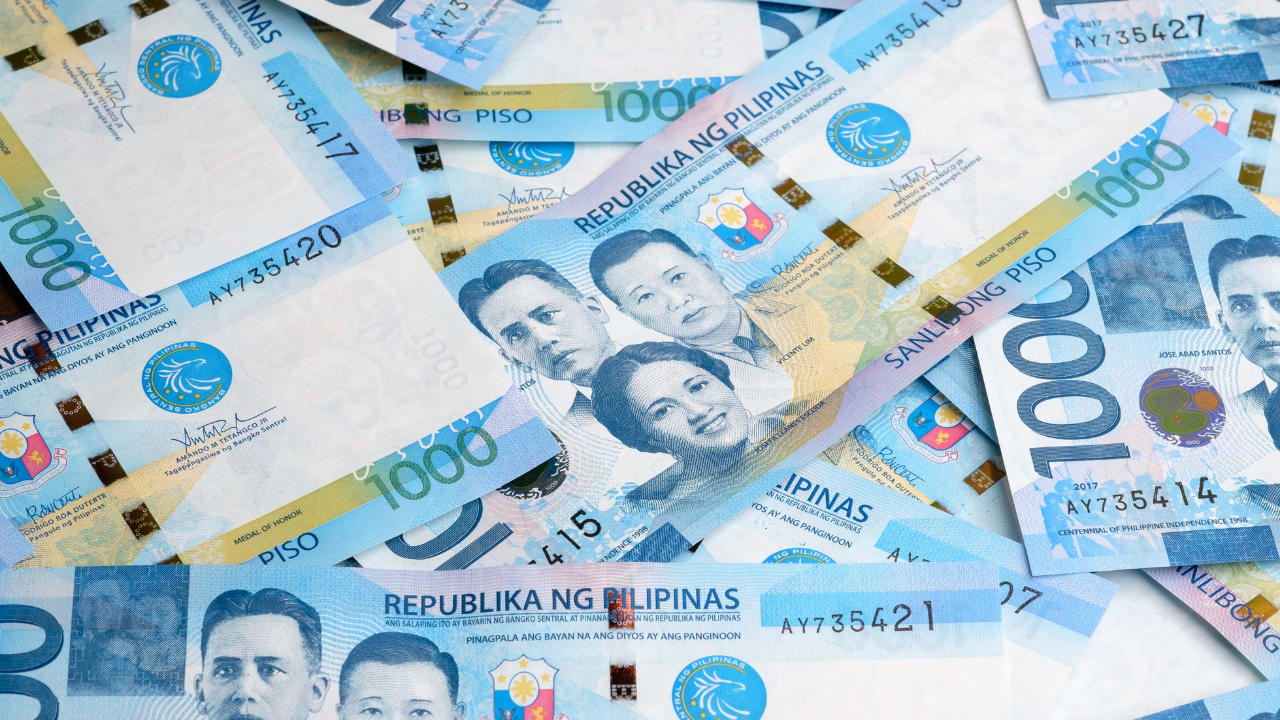
A renewed bout of turmoil in the Middle East propped up the US dollar and sent the Philippine peso back to its record low level on Wednesday, with further depreciation seen amid extreme market volatility.
The local currency ended the trading session at 61.75 against the greenback, 0.5 centavos weaker than its previous finish, data from the Bankers Association of the Philippines showed.
Yesterday’s closing matched the peso’s record low finish of 61.75 seen on May 18, 2026.
Market activity was brisk, with total volume rising to $1.27 billion from $752.5 million in the prior session.
“The peso fell after the greenback strengthened further on elevated crude oil prices as US and Iranian attacks escalated, renewing inflation concerns,” said Jonathan Ravelas, senior adviser at Reyes Tacandong & Co.
“Expect the currency to range 61.6 to 61.9 levels in the near-term,” Ravelas added.
The peso’s decline is producing winners and losers across the Philippine economy.
For millions of families, money sent home by overseas Filipino workers now converts into more pesos, giving households greater spending power. Exporters also stand to benefit as a cheaper currency makes Philippine goods more competitive abroad.
But those gains come with costs: Imported goods become more expensive, while companies and the government face higher peso costs in repaying foreign-currency debt.
Bangko Sentral ng Pilipinas (BSP) Governor Eli Remolona Jr. has acknowledged the trade-offs. A weaker peso could lift exports and help shrink the country’s trade deficit, he said, even as it risks pushing up prices. He has repeatedly stressed that the central bank does not defend a particular exchange rate, preferring to let market forces determine the peso’s value while stepping in only to curb excessive volatility.

The BSP last month raised its benchmark interest rate by a quarter percentage point to 4.75 percent. The move brought total rate increases since April to 50 basis points, underscoring the central bank’s effort to tame inflation as external risks mount.
In a note to clients, Fitch Group unit BMI Research said it expects the peso to trade between 61 and 63 per dollar this year, leaving it among Asia’s weakest-performing currencies as higher oil prices and external risks continue to undermine sentiment.
******
Get real-time news updates: inqnews.net/inqviber


