






Peso sinks to new record low

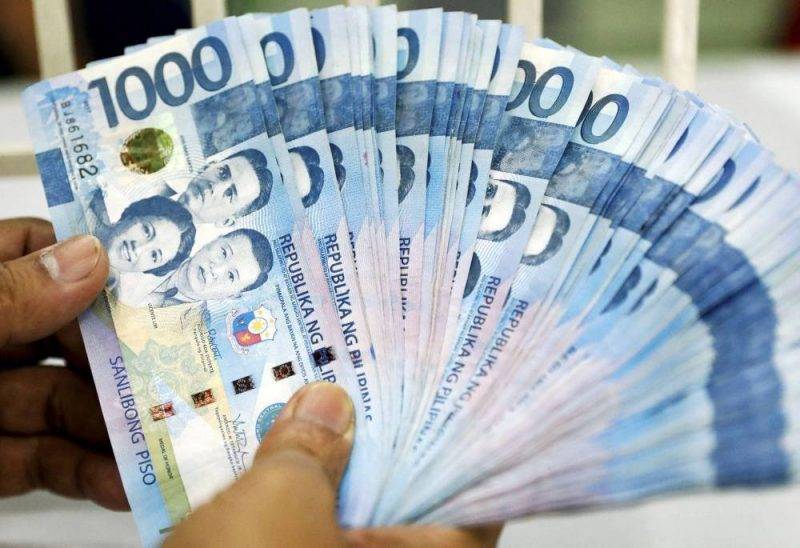
The Philippine peso fell to a fresh record low on Friday, dragged down by a resurgent US dollar as higher oil prices, driven by renewed fighting in the Middle East, sent investors toward safe-haven assets while new trade tensions also deepened uncertainty in global markets.
The peso ended the week at 61.847 per dollar, down 9.7 centavos from its previous close of 61.75, which was also the currency’s previous record low.
The local currency weakened as far as 61.85 during the session before trimming some losses. Trading activity was subdued, with turnover falling to $969.38 million from $1.5 billion in the previous session.
The dollar gained broadly as rising US Treasury yields and crude oil prices, which climbed back above $100 a barrel, reinforced expectations that inflation could remain stubbornly high.
The latest jump in oil followed attacks by Yemen’s Houthis on two Saudi oil tankers in the Red Sea, widening the conflict to another critical shipping route, Reuters reported. US President Donald Trump vowed “major military punishment” for Iran and its Houthi allies.
“This development has spiked global oil prices anew which exerted further pressure on the local currency and reignited domestic inflationary concerns,” a trader said.
“The exchange rate could test the crucial 62-peso level as Middle East tensions remain elevated,” the trader added.
Markets were also digesting the prospect of another round of trade disputes. The Trump administration said it would impose tariffs of 10 percent and 12.5 percent on imports from 60 trading partners, including the Philippines, accusing them of failing to adequately enforce bans on goods produced with forced labor.

In a note to clients, economists at ANZ Research said market developments have strengthened the case for further monetary tightening in Asian economies like the Philippines.
“Resilient regional growth and persistent inflation pressures should continue to support Asian currencies,” ANZ said. “However, this outlook remains heavily dependent on the US technology cycle maintaining its current momentum.”
“Expect the currency to range 61.90- 62.10 levels in the near-term,” said Jonathan Ravelas, senior adviser at Reyes Tacandong & Co.


