










Peso tagged as Asia’s ‘weakest link’

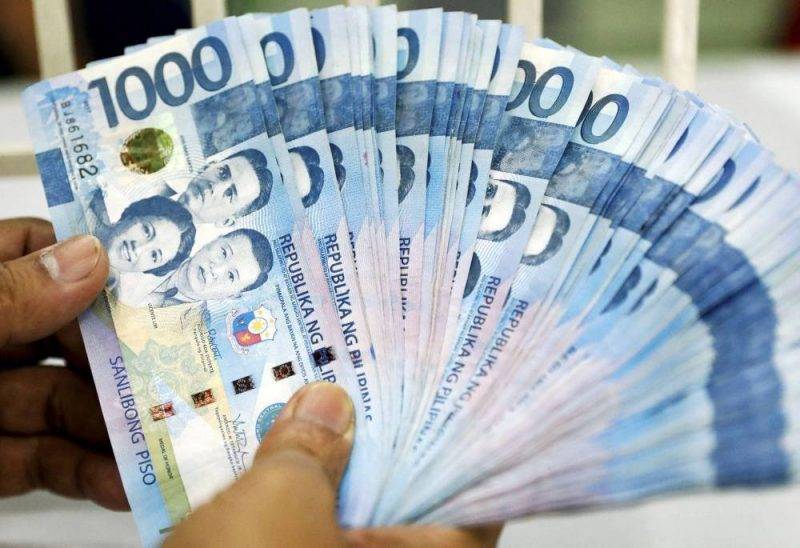
The Philippine peso remains Asia’s “weakest link” despite the central bank’s recent interest rate increase, as policymakers confront a delicate balancing act between bringing inflation under control and supporting an economy that has struggled to gain momentum.
For Asian currencies, the key question is increasingly whether inflation will remain persistent enough to warrant further monetary tightening, MUFG Bank Ltd. said in a note on Monday.
The dollar’s recent weakness had provided some support for Asian currencies, but that cushion may be fading, the global bank noted.
Last week’s market reaction to the Federal Reserve’s hawkish message following Chair Kevin Warsh’s speech at Jackson Hole suggests several Asian currencies could face a more difficult backdrop this week if increases in short-term US Treasury yields persist, the bank added.
“The US dollar-peso has moved to fresh record highs despite hawkish rhetoric from the BSP,” MUFG said, “The Philippine peso remains the region’s weakest link.”
The local currency breached the 62-per-dollar level for the first time last week, closing at 62.265 last Friday.
The decline came a day after the Bangko Sentral ng Pilipinas raised its benchmark interest rate by a quarter percentage point to 5 percent at its Aug. 27 meeting, bringing the total increase in the current tightening cycle to 0.75 percentage point.
While the rate hike helped provide some support to the peso by making Philippine assets more attractive to foreign investors, analysts have said markets remained focused on broad US dollar strength, elevated oil prices and lingering uncertainty in global financial markets.

Consumer prices may have risen 6.1 percent from a year earlier, according to the median estimate of 13 economists polled by the Inquirer. If the forecast holds, inflation would slow from 6.2 percent in July and mark its fourth consecutive month of moderation.
In a separate note, economistst at United Overseas Bank said last week’s rate hike could be the last under the current phase of tightening. “Overall, forward guidance suggests that policy rates are approaching sufficiently restrictive territory,” they said.
******
Get real-time news updates: inqnews.net/inqviber