










July PH ‘hot money’ net inflow plunges 91%

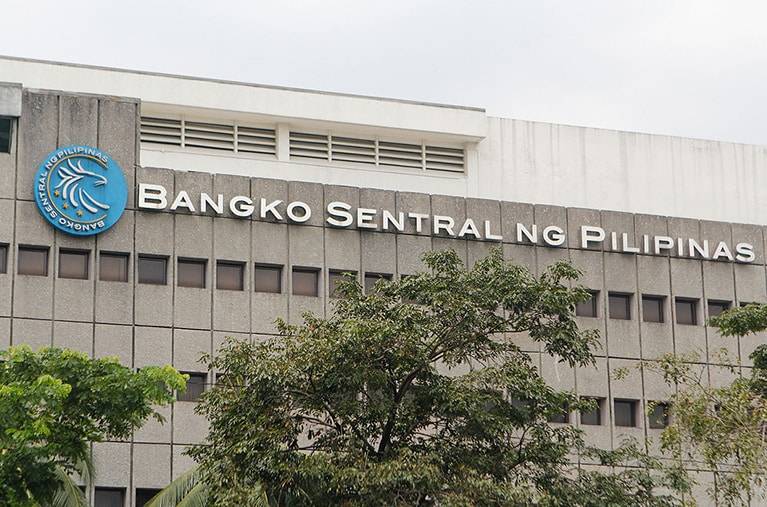
Foreign investors dumped government securities in July but turned buyers in the local stock market, resulting in a significantly smaller net inflow of portfolio investments for the month.
Data from the Bangko Sentral ng Pilipinas (BSP) showed foreign portfolio inflows (FPI) surpassed outflows by $66 million in July, plummeting 91 percent from the net inflow recorded a year earlier.
Month-on-month, net inflow of FPIs fell by 61 percent. This brought the seven-month tally to a net outflow of $4 billion, a reversal from nearly $2.3 billion in net gain seen in the same period last year.
Such investments, often referred to as “hot money,” are prone to swift reversals at the first sign of unfavorable conditions.
These funds—often invested in liquid instruments like stocks and bonds—are far more sensitive to shifts in domestic and global sentiment than foreign direct investments, which tend to stay for longer term and are more closely tied to job creation.
By type of instrument, government securities—including Treasury bonds and Treasury bills—posted a net outflow of $20 million in July, a turnaround from the $540 million net inflow in the preceding month.
The shift came as the benchmark 10-year government bond yield remained above 7 percent during the month.
Foreign investors, meanwhile, bought $86 million more Philippine stocks than they sold, ending a four-month streak of net outflows from the local stock market.
In its monthly report, the Philippine Stock Exchange said the local bourse closed the trading month of July at 6,236.44, up 3.3 percent from its June close, as foreign investors returned to the local market amid easing US inflation pressures and a shift toward “proactive” local monetary policy. Foreign transactions accounted for 44.3 percent of the total market trades during the month.
Ruben Carlo Asuncion, chief economist at UnionBank of the Philippines, said the latest hot money data indicated that foreign investors remained “selectively constructive” on Philippine assets despite a more challenging global environment.

“The continued inflow likely reflected pockets of opportunity in local financial markets, supported by still-resilient domestic economic activity and investor search for returns, even as concerns over global growth, geopolitical tensions, elevated oil prices, and inflation risks tempered risk appetite,” Asuncion said.
“Foreign portfolio flows may continue to swing between inflows and outflows depending on global market developments and investor sentiment,” he added.
Looking ahead, the central bank now expects total FPIs—including transactions not registered with the BSP—to post a net inflow of $1.8 billion in 2026, far lower than its previous estimate of $3.7 billion. The BSP said portfolio flows were expected to remain volatile and sensitive to global risk sentiment and financial conditions.
******
Get real-time news updates: inqnews.net/inqviber