





Peso weakens further, breaches 62:$1 level

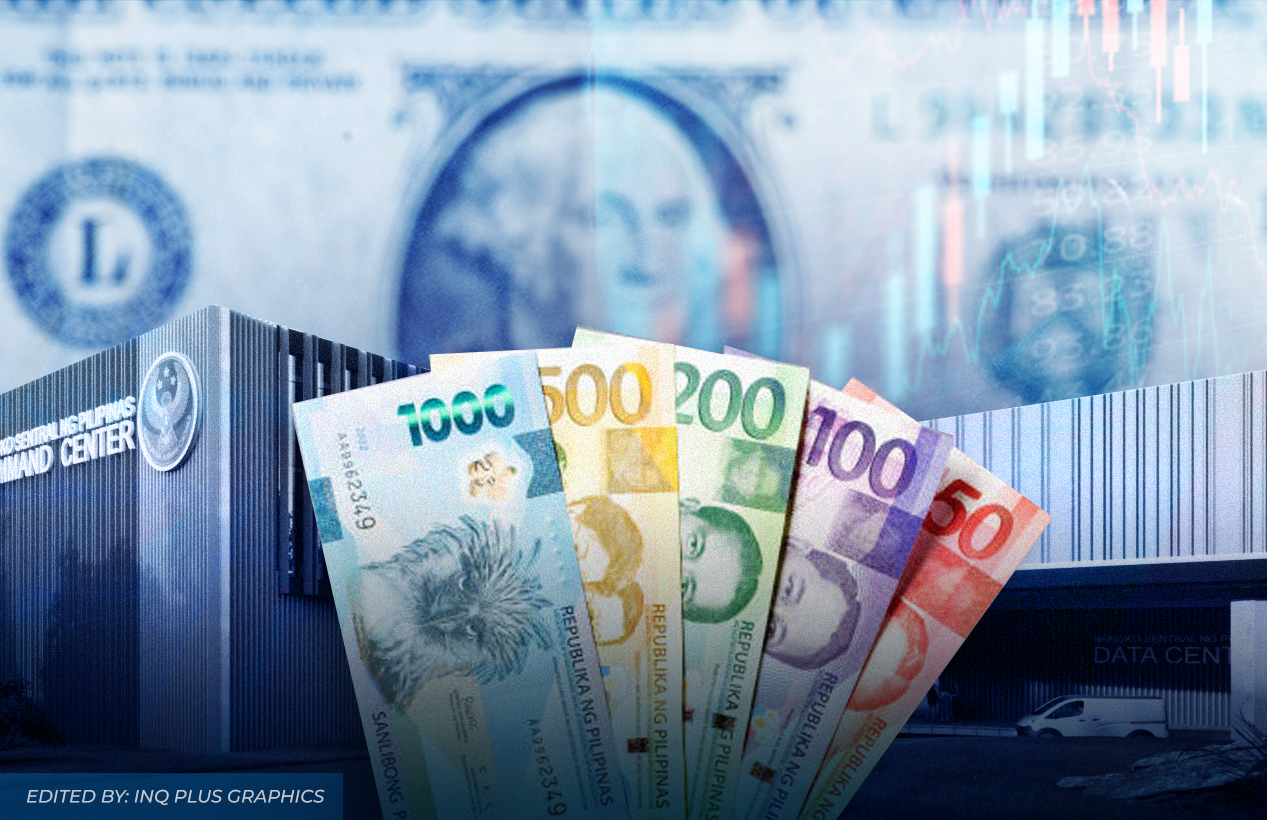
The Philippine peso fell to a new record low on Friday, breaching the 62-per-dollar level for the first time, as rising oil prices and a broadly stronger US dollar overwhelmed the support from the central bank’s latest interest-rate increase.
The local currency shed 37.7 centavos to cap the volatile week at 62.265 against the greenback, data from the Bankers Association of the Philippines showed. This surpassed the previous record low closing of 61.888 set during the prior session.
The peso touched an intraday low of 62.27, with trading volume rising to nearly $2 billion, from $1.8 billion in the previous session.
The US dollar steadied near a one-week high against major currencies, Reuters reported, as investors positioned for remarks by US Federal Reserve Chair Kevin Warsh at the Jackson Hole economic symposium. A trader said markets were anticipating “potentially hawkish remarks” from Warsh, adding that the peso’s new record low could prompt some profit-taking in the near term.
The peso’s decline came a day after the Bangko Sentral ng Pilipinas raised its benchmark interest rate by a quarter percentage point to 5 percent, bringing the total increase in the current tightening cycle to 0.75 percentage point.
While the rate hike helped provide some support to the peso by making Philippine assets more attractive to foreign investors, Ruben Carlo Asuncion, chief economist at UnionBank of the Philippines, said markets remained focused on broad US dollar strength, elevated oil prices and lingering uncertainty in global financial markets.
“Demand for dollars from importers and investors has also likely contributed to the peso’s weakness. The Philippines remains vulnerable during periods of sustained dollar strength given its reliance on imported fuel and other essential commodities,” Asuncion said.
“The BSP’s tightening action should help anchor inflation expectations and temper further depreciation pressures, but a more sustained recovery in the currency will likely depend on easing oil prices, a softer US dollar, and an improvement in global risk sentiment,” he added.

The peso’s weakness is creating both winners and losers across the Philippine economy.
For millions of families, remittances from overseas Filipino workers now translate into more pesos, potentially giving households greater spending power. Exporters may also benefit as a weaker currency makes Philippine goods more competitive overseas.
But a weaker peso also raises the cost of imported goods, while companies and the government face higher peso costs when repaying foreign-currency debt.
Asuncion said external developments remain the key driver of peso movements for now.