










PH manufacturing rebounded in December 2025

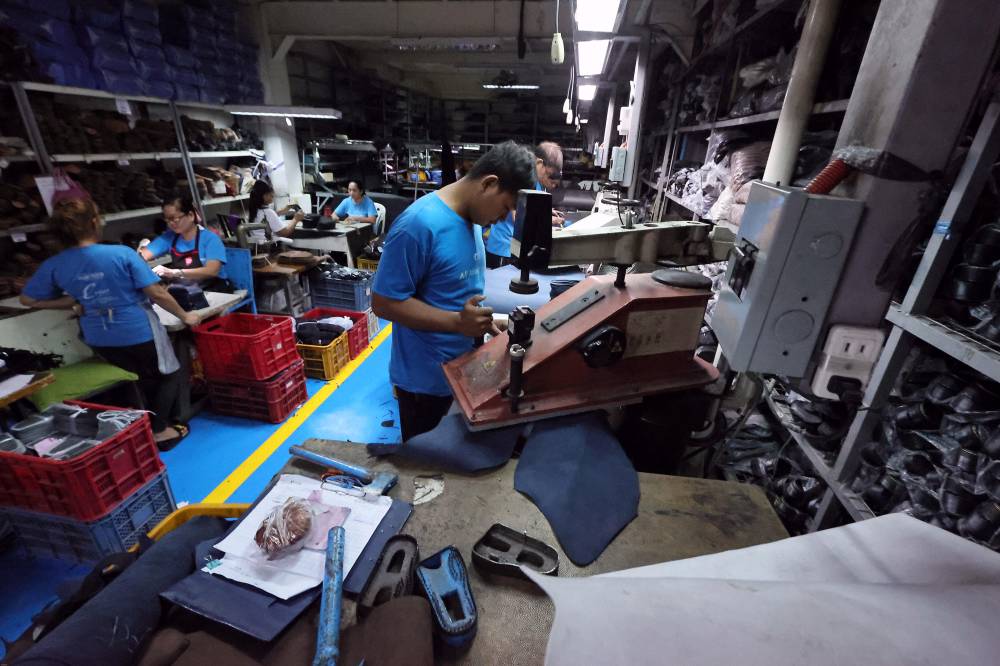
The Philippines’ manufacturing sector showed signs of recovery in December, with factory activity edging back into expansion on the back of rising new orders for the first time in four months.
According to a monthly survey of around 400 firms, the Philippines’ purchasing managers’ index (PMI) rebounded to 50.2 in December, after a four-year low of 47.4 in November, S&P Global said in a report released on Friday.
“In contrast to the solid deterioration observed in the previous month, the latest data signalled a slight improvement in the overall health of the manufacturing sector,” S&P said.
It was the strongest reading since August, when the PMI stood at 50.8, and marked a return above the 50-point threshold that separates growth from contraction.
New orders
Leading the rebound were firmer demand conditions. This resulted in a renewed rise in new order volumes, ending a three-month period of contraction and prompting firms to resume purchasing activity after months of cutbacks.
“The expansion in input buying enabled firms to better manage their inventory levels. After a sharp depletion in November, holdings of preproduction items were unchanged in December,” S&P said.
“Additionally, stocks of finished goods rose following a strong decline in November. Firms reportedly built up postproduction inventories in anticipation of future demand,” it added.
Employment levels, meanwhile, fell for a fourth straight month, but job losses moderated, signaling some stabilization in the labor market.
A temporary event?
On the flip side, export demand remained a key drag on the sector. New export orders fell sharply during the month, marking the steepest decline in 15 months and weighing on overall sales growth.
Production also continued to fall in December despite a modest rise in new orders, extending a four-month slump—the longest since 2021.
Maryam Baluch, economist at S&P Global Market Intelligence, warned that manufacturers continue to face “notable headwinds” from weak export markets, potentially limiting expansion.
“That said, the improvement was tepid across the sector, and its sustainability will largely depend on whether demand can be maintained and further bolstered, bringing growth back to production,” Baluch said.
“Consequently, at present, the manufacturing sector’s growth is primarily being driven by domestic demand, with external markets offering little support,” she added.
Leonardo Lanzona, economist at the Ateneo de Manila University, said the rebound may only be a “temporary event.”
“Part of the rebound may simply be due to holiday spending and remittances,” he said.
“S&P’s caution reflects deeper shifts in the global industrial landscape that the Philippines must navigate—moving beyond assembly and low-cost labor toward higher-value, greener and digitally integrated production to sustain growth beyond short-term rebounds,” he added.