









Philippine manufacturing activity hit 9-month high in January

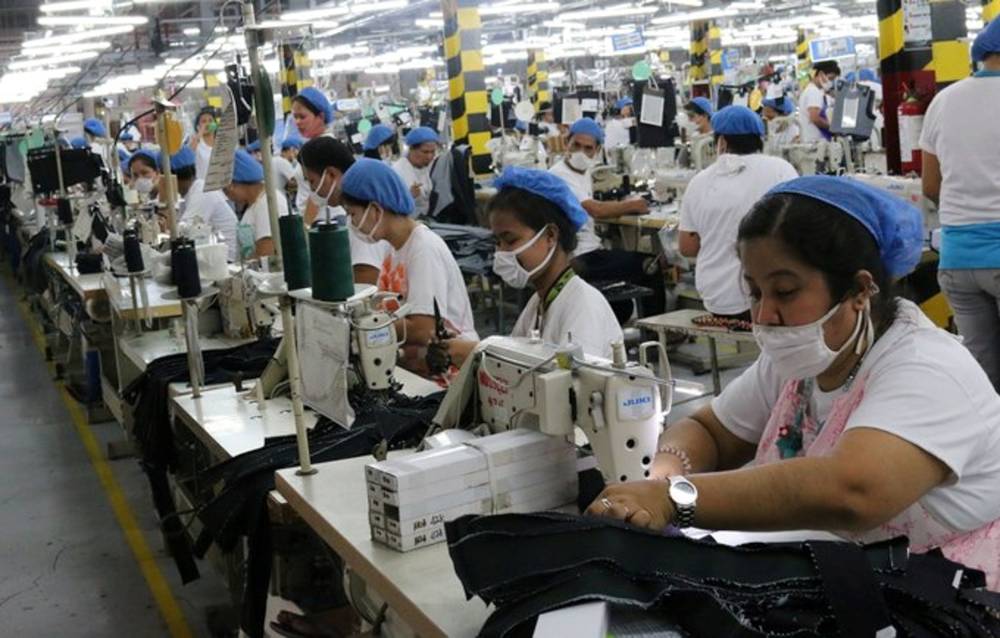
The Philippine manufacturing sector kicked off 2026 on stronger footing, with factory activity climbing to a nine-month high in January on the back of firmer new orders.
S&P Global’s latest survey of around 400 firms showed the Philippines’ Purchasing Managers’ Index (PMI) jumped to 52.9 in the first month of 2026, up sharply from 50.2 in December.
The latest reading marked the strongest improvement in operating conditions since April 2025, when the index stood at 53.
It also moved further above the 50 threshold that separates expansion from contraction after hovering around that level in recent months, including a four-year low of 47.4 in November.
“New orders registered a strong and accelerated uptick, supported in part by a renewed rise in export demand. As a result, production returned to expansion territory for the first time in five months,” said Maryam Baluch, economist at S&P Global Market Intelligence.
But business confidence still weakened sharply after firms’ optimism for the year ahead fell to the second-lowest level on record, surpassed only by the slump seen at the onset of the COVID-19 pandemic.
“Despite these encouraging developments, January data pointed to a worrying decline in business confidence. This hesitancy reflects lingering concerns regarding export demand and the sustainability of the latest improvement,” Baluch said.
Recovery not rebound
For Ateneo de Manila University economist Leonardo Lanzona Jr., the latest PMI “looks more like stabilization than a decisive turning point.”
”It seems that this upward movement can be a delayed recovery from the weather disruptions experienced in November. If business is pessimistic about the future, then this would be more recovery than a rebound,” he said.
The recovery in January was driven by faster growth in new orders, which in turn prompted manufacturers to raise production and expand their workforces. So much so, output increased for the first time in five months.
Although new orders remain modest, S&P noted that January marked the first month of expansion since September. On the employment front, job creation resumed after two consecutive months of decline, with the pace of hiring reaching its fastest level since June.

Price pressures are still present but relatively subdued in January, as manufacturers continued to face higher raw material costs.
“The January uptick is being driven by both domestic and external factors. Strengthening underlying demand trends supported the latest uptick in new sales, suggesting domestic consumption is improving,” Lanzona said.
“However, foreign demand has actually worsened in December, with fewer new export orders, and the external environment remains challenging with US tariffs affecting Southeast Asian exports,” he added.
Looking ahead, Lanzona said the manufacturing sector may face a “bumpy year with modest overall growth but notable quarter-to-quarter volatility,” noting that disconnect between improved technical indicators and weakened confidence is worrisome.
“The first half might show decent momentum from the more stable conditions (after the corruption scandal), but sustainability depends heavily on whether global demand holds up and how business confidence evolves given the scandal,” he said.