





SE Asia business body urges stronger PH role in RCEP

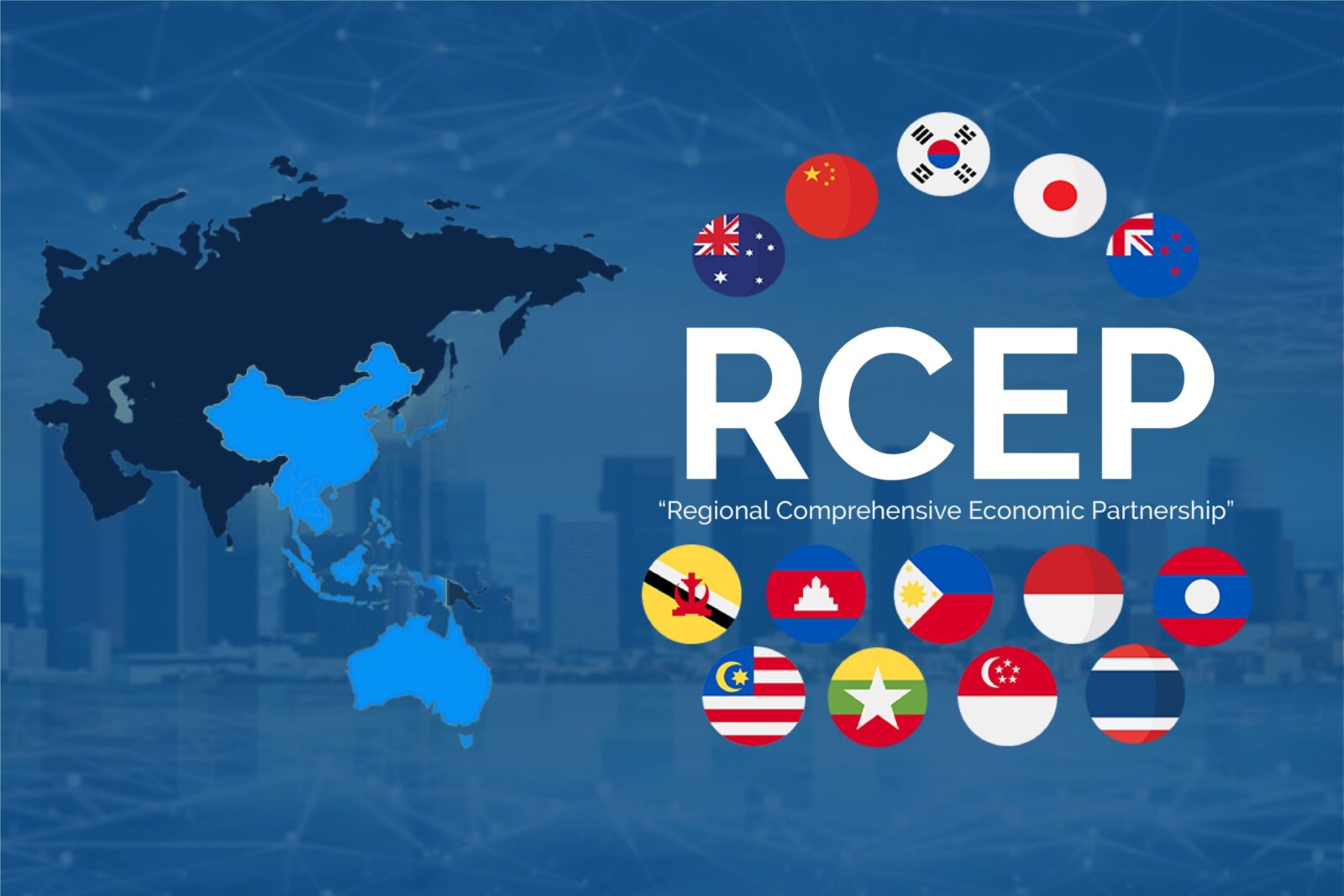
A regional business council is pushing for the Philippines’ increased participation in the Regional Comprehensive Economic Partnership (RCEP), a landmark trade deal pact that, it said, has so far been leveraged mostly by larger economies.
Jay Yuvallos, the Philippine representative who took over the chairship of the East Asia Business Council (EABC) on Wednesday, said the country plans to focus on integrating small and medium enterprises (SMEs) into regional value chains to unlock the full benefits of RCEP.
“The more advanced economies are benefiting more from it (RCEP) compared to us. We want to change that,” Yuvallos told reporters.
“We’re going to push for that. We’re going to involve our business support organizations from the private sector,” he said.
Signed in 2020, the RCEP is a free trade pact among 10 members of the Association of Southeast Asian Nations (Asean)—Brunei, Cambodia, Indonesia, Laos, Malaysia, Myanmar, the Philippines, Singapore, Thailand, Vietnam—along with Australia, China, India, Japan, South Korea and New Zealand.
Back then, the 11th Asean member—East Timor—was still an observer in the regional bloc.
Among the key goals of the RCEP is to remove tariffs on at least 90 percent of the commodities traded between member countries, while also strengthening regulations for non-tariff measures.
RCEP covers trade in goods, trade in services, investment, economic and technical cooperation, intellectual property, competition, dispute settlement, e-commerce, SMEs, among others.
Yuvallos noted that the Philippines’ utilization of the pact lags behind other Asean economies. But he said the country has the capacity to improve “some notches higher.”
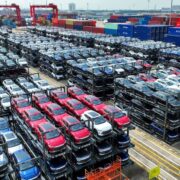
He emphasized that RCEP is not just for large exporters, noting that local industries such as semiconductors, shipbuilding and automotive manufacturing can provide entry points for smaller businesses.

“The RCEP framework offers strong potential, but its impact depends on how effectively companies can use it in practice,” Yuvallos said.
He added that the council envisions using the free trade agreement as a tool “that delivers clear commercial value, particularly for smaller firms.”
To achieve this, Yuvallos said the Philippines can learn from more advanced economies in RCEP, such as Japan and South Korea. These countries have established systems to help smaller businesses navigate the agreement.
He added that the EABC plans to work closely with the Department of Trade and Industry, Bangko Sentral ng Pilipinas and the Department of Finance.