





Vingroup eyes Batangas for $500-M plant


Batangas has emerged as the “preferred” location for Vingroup’s planned $500-million electric vehicle (EV) factory in the Philippines, which would mark the Vietnamese conglomerate’s entry into local automotive manufacturing.
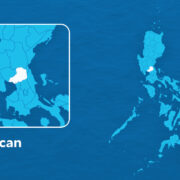
Trade Secretary Cristina Roque said Vingroup was actively scouting economic zones in Batangas for a manufacturing facility spanning at least 300 hectares, with the province’s proximity to ports making it an attractive location for its automotive arm, VinFast.
The investment would expand the country’s automotive production base, which is currently concentrated in neighboring Laguna.
Two of the country’s top-selling automotive brands, Mitsubishi and Toyota, have established manufacturing and assembly operations in Santa Rosa, Laguna, while consistently ranking among the top vehicle importers at the Port of Batangas.
In Laguna, Mitsubishi assembles its Mirage and L300 models, while Toyota produces the Vios, Tamaraw and Innova.
Vingroup’s planned factory is expected to have an annual production capacity of 200,000 four-wheeled EVs upon completion, potentially by early 2028.
Eventually, the conglomerate also plans to manufacture electric scooters in the Philippines.
Roque said the Department of Trade and Industry (DTI) had secured Vingroup’s commitment to participate in the Electric Vehicle Incentive Strategy (Evis), which offers manufacturers up to P15 billion in incentives for each enrolled EV model.
At $500 million, or roughly P32 billion, Vingroup’s planned investment would easily exceed the program’s minimum investment requirement of P5 billion. Its targeted annual production capacity would likewise surpass the minimum threshold of 10,000 units.
This makes Vingroup the third automaker to express interest in the program, after Mitsubishi Motors Philippines Corp. and Francisco Motors.

“Once the Evis is out, then definitely they will be one of those who will join the Evis,” Roque told reporters recently, adding that the program’s implementing rules would “hopefully” be released in October or November.
Initially, the government targeted the release of the implementing rules in September.
Keeping to the revised timeline would be crucial, as the Board of Investments, which will oversee the Evis program, aims to secure the participation of interested automakers before yearend.
This would allow participating manufacturers to begin constructing their facilities and conducting trial runs by 2027, ahead of the targeted start of commercial production of Evis-enrolled vehicles in 2028, before the end of President Marcos’ term.


