









An intimate yakitori omakase goes limitless with chicken on a stick

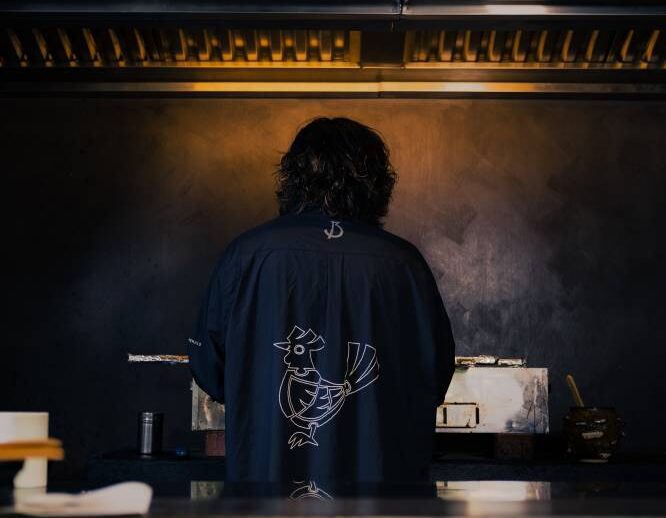
Regardless of location, Takuto Kato and his yakitori always make a strong impression. It certainly is the case at his new restaurant called Birdjovi that just opened at Comuna in Makati. The name, he says, comes from an unlikely yet adorable origin. “My child once mispronounced ‘one, two, three,’ and it came out as ‘Birdjovi,’” says Kato. “Its simple, natural sound matched the spirit of yakitori, so it became the name of the restaurant.”
Entirely covered in black, gray, and dark wood with pops of color from the friendly figurines on the counter, Birdjovi’s tiny black box venue is anchored by a nine-seater counter that proves just how powerful focus can be.
“The counter lets guests enjoy the food fresh off the grill while feeling close to the cooking process,” Kato-san explains. But while the concept is confidently Japanese, Birdjovi remains attuned to the local, chicken-loving environment.
Bird knowledge
The self-taught cook who began practicing yakitori six years ago fosters an intimate charcoal-grilled experience that makes a strong case for why chicken really belongs on a stick.
Sure, the popular poultry is a regular fixture not only in local food culture (bringing fast “juicylicious” joy to Filipinos in buckets) but also in history (the bird has long been used in ancient rituals). Yet among the ways chicken meat is served and consumed, skewered and grilled, retain a caliber that matches the nostalgic joy a fast food giant has given Filipino customers.
Which is why consumer appetite for chicken on sticks like satay, kebabs, inasal, and yakitori remains insistent. In fact, chicken inasal is a recognized cultural property of Bacolod City, while Japan’s yakitori has long been a cultural and gastronomic staple with roots dating back to the Edo Period.
The gospel of grilling
Today, though at Kato’s counter in the creative Comuna mecca, he showcases the hows and whys of yakitori innovation in a 13-course omakase depicting his love for the craft. “Yakitori omakase is about serving each skewer at its best moment,” says the Japanese chef. “We focus on the basics: fire, salt, and timing, keeping everything simple and precise.”
There’s an elegant playfulness and complexity to Kato’s omakase. For one, he eschews yakitori’s izakaya narrative and instead elevates the otsumami (finger food) into an ambitious yet grounded experience.
“While staying true to Japanese yakitori, we adjusted the experience to fit the local setting,” says Kato-san. “The goal is to keep it authentic, yet natural and approachable.”
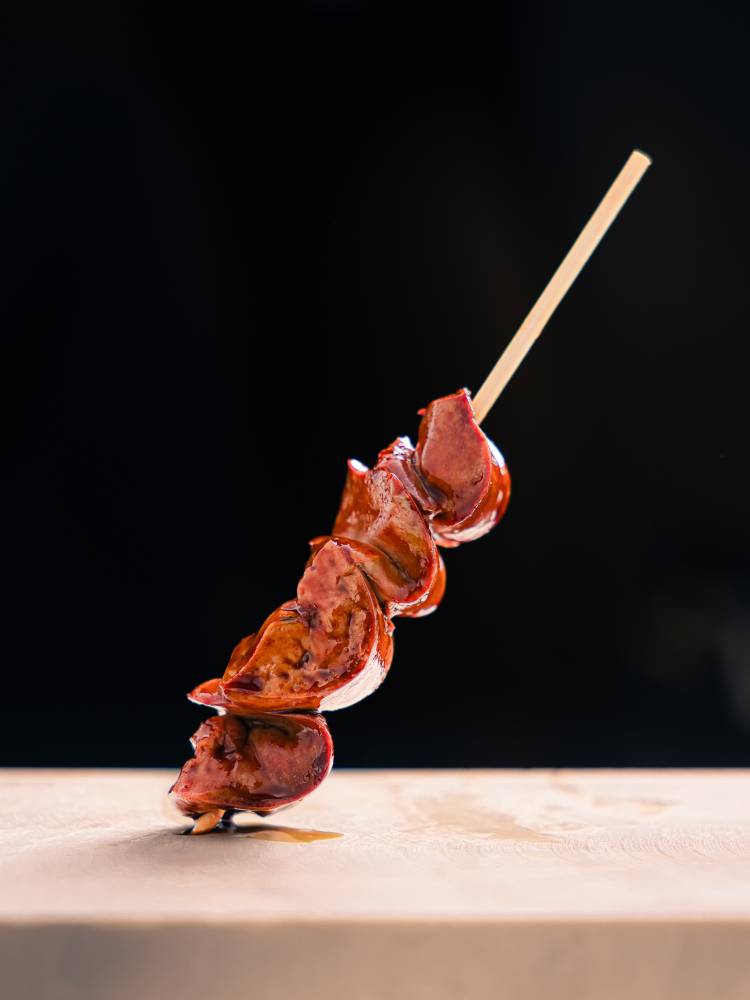
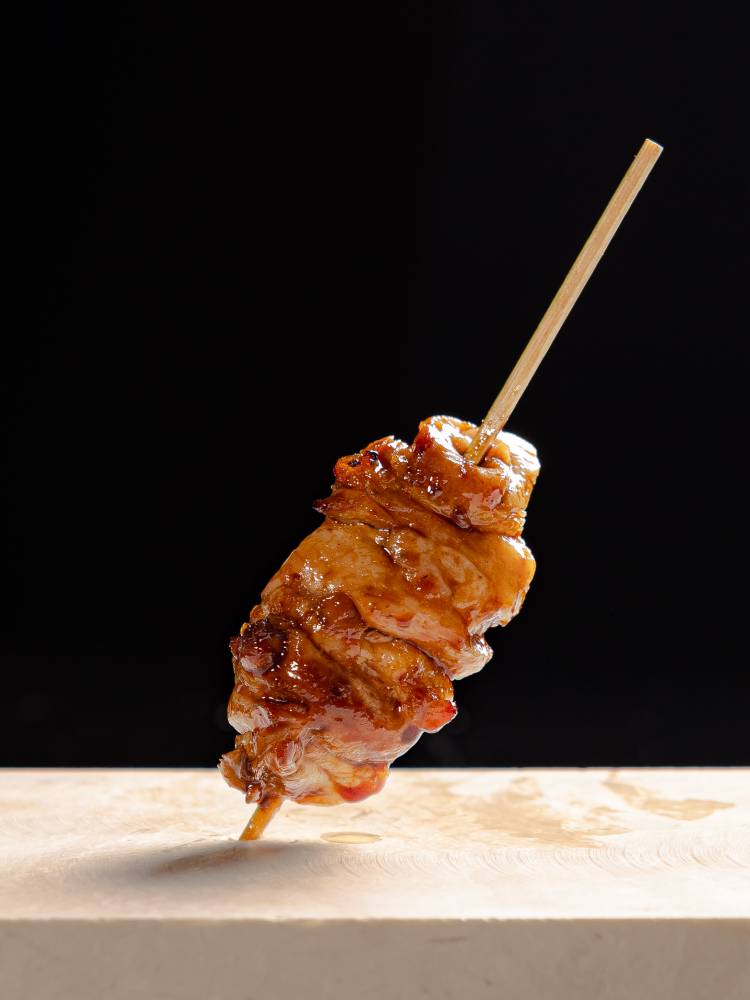
The skewers are seasoned in Himalayan pink salt and Okinawa salt to bring out the Japanese chicken’s natural flavors. Kato then goes wild with his meaty offerings, utilizing various cuts and parts of the bird to exhibit the numerous probabilities of chicken appreciation. The skewers are then grilled over binchotan charcoal from Laos and Vietnam to maintain the meat’s purely unadulterated quality.

Complex and memorable
The highlights are clear and also come fast with a pace that rivals conveyor sushi belts. He opens with a monaka, filled instead with a creamy chicken liver pate, before following it up with a surprise kanpachi (amberjack), which gets some foie gras-like heft from the ankimo dipping sauce.
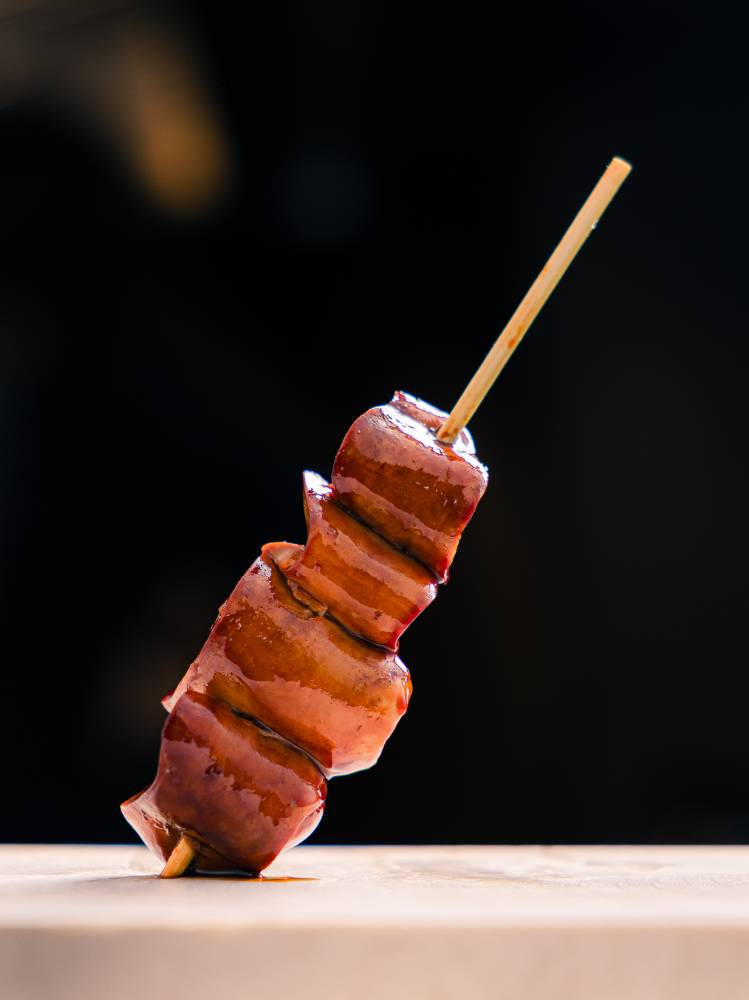
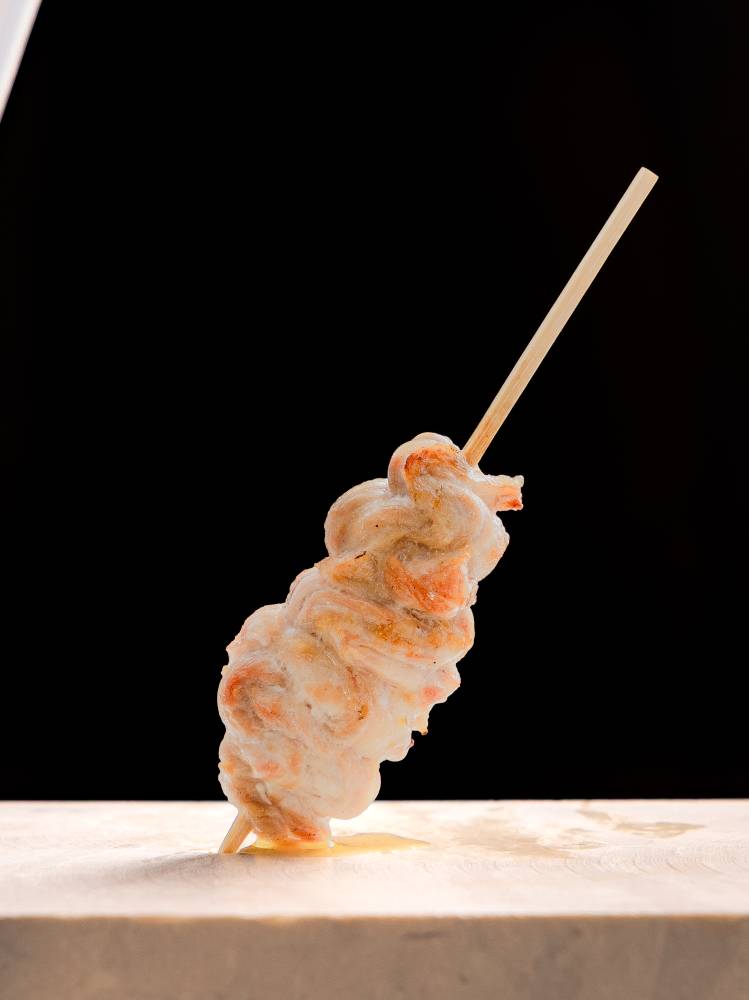
Speared chicken tenders (sasami), beautifully composed with shiso and ume (sour pickled plums) or filled with leeks, skin intact, then erected like a tower of flavor power, are showpieces in their own right. Even chicken hearts (hatsu), shishito peppers, tail (bonjiri), neck (seseri) with katsuo radish, and liver laced with tare settle into the rhythm Kato has set—prepped, skewered, kissed by the fire, and laid down on a marble board ready to be picked up and consumed.
The omakase’s major departures aside from the opening salvo are the tebasaki served in a bowl of egg and soy sauce and a viciously substantial ramen, built in front of guests, that belies the simplicity of its composition—fresh springy noodles, chicken broth, white onions, and leeks.
Kato’s omakase, from start to end, feels like an introspective exercise. It is devoid of unnecessary ornaments, but at the same time, the omakase is complex and memorable enough to warrant repeated visits.
“I hope guests can feel the character of charcoal cooking and the hospitality at the counter,” he says. “More than just a meal, I want it to be an experience they enjoy as a whole.”