







Charlie Puth: ‘The Philippines is timeless’


Charlie Puth remembers it being very hot when he first landed in Manila in 2015. A heavy downpour followed, lasting all of five minutes, and released a “tropical scent” into the air. One day in his hotel room, amid a busy promotional tour, Puth, who’s never not writing a song, started writing yet another one—this time inspired by images of “happy people and beautiful beaches.”
With nothing more than a laptop, a microphone, and a keyboard with two broken keys, he produced the beat for what would become one of his biggest hits, “We Don’t Talk Anymore.”
It’s “plucky,” it’s “tropical-ly.” And although the song sounds very much of its time, he still believes it remains “timeless.” “Because, you know, the Philippines is timeless,” he tells Lifestyle Inquirer in a roundtable interview over Zoom.
Intimate connection
That line may come across as fan service, but there’s little reason to doubt its sincerity. Puth’s connection with his Filipino fans is as genuine as they come. Years before he had a major release, they had already discovered him through his early YouTube covers.
“We have this close and intimate relationship that I might not have with everyone else,” he says.
So perhaps it was only natural that they’re excited—and perhaps a tad mad—that it has taken him so long to come back. Now, 10 years after his first Philippine concert, Puth, together with Live Nation Philippines, is set to bring his “Whatever’s Clever!” world tour to SM Mall of Asia Arena on Oct. 14.
While he has released three studio albums since his last visit—“Voicenotes,” “Charlie,” and “Whatever’s Clever!”—the American singer-songwriter isn’t about to leave anyone “feeling left behind.” “Even if they don’t know all the new music, they will still feel a sense of nostalgia,” he says. “They’re going to get a little bit of everything.”
And if, in the unlikely event that some Filipino fans have yet to catch up with his recent songs, there may be no better way to get acquainted with them than by watching Puth perform them live.
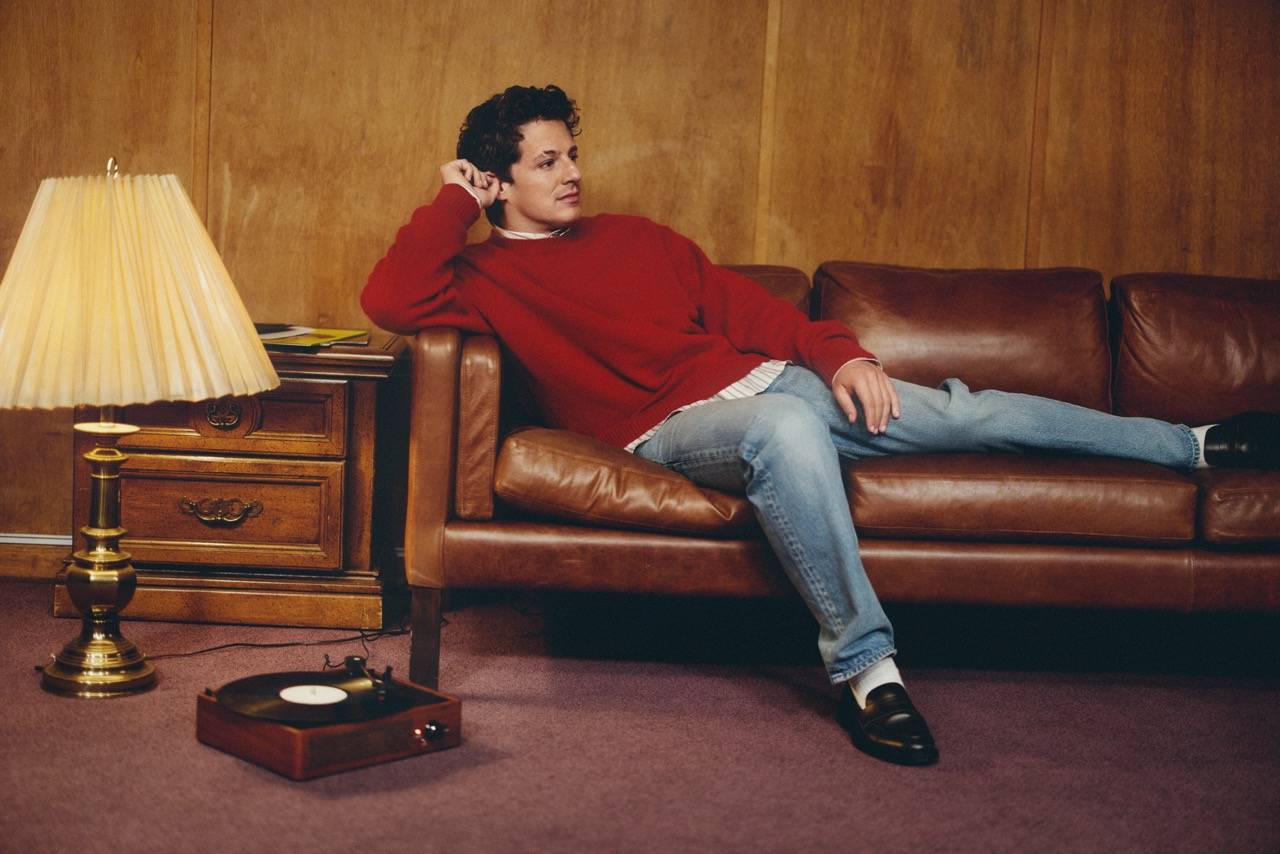
In the mood for writing
Puth has always been the type of musician who writes about exactly what’s going on in his life. So, if much of his past work was defined by heartbreak, anxieties, and insecurities, that’s because he was heartbroken, anxious, and insecure at the time.
The circumstances leading to “Whatever’s Clever!,” however, couldn’t be more different. Going into the creative process happily married to his wife, Brooke Sansone, and knowing that he was going to become a first-time dad, he ended up with a record that reflects the happier, more grounded life he now leads.
Take the cozy midtempo “Home,” for instance. In this collaboration with J-pop icon Utada Hikaru, Puth sings of white picket fences, kitchen moments, and that special someone who makes a house feel like a home.
“I was just in a good mood, so naturally, I was going to make music that’s in an even better mood,” he says. “My goal is to make music. Now that I have a son—Jude—I feel very happy, so I will continue writing songs about being happy and performing in that kind of way.”
“If I’m sad and pretend to write a happy song, it’s going to be the worst song ever—and you will never hear it!” he adds.
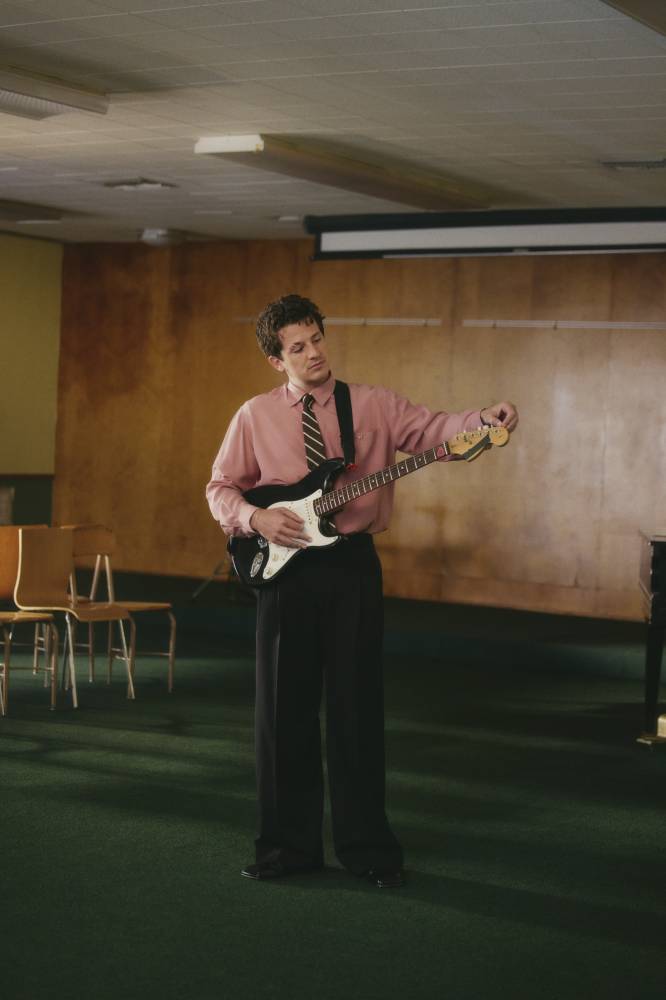
Making room for emotion
Listening to Puth extol the joys of writing with authenticity, it’s easy to forget that he has built a reputation as one of pop’s most meticulous and technically minded musicians. Sure, he graduated from Berklee, possesses absolute pitch, and knows his music theory. But though that kind of background and knowledge have served him well, he never gets so caught up in the technicalities that his music loses its heart.

In fact, he would much rather someone give him a poorly recorded track—with distortion, clipped piano notes, and pitchy vocals—as long as it’s real. “I would rather feel something than hear something perfect,” he says.
Because at the end of the day, not everyone will care about—or even notice—the technical aspects of a song. What they will remember is the feeling they get from listening to it. And sometimes, people just crave something “that will help them fall in love even more.”
“It’s human emotion, and you always have to make room for that,” he says.
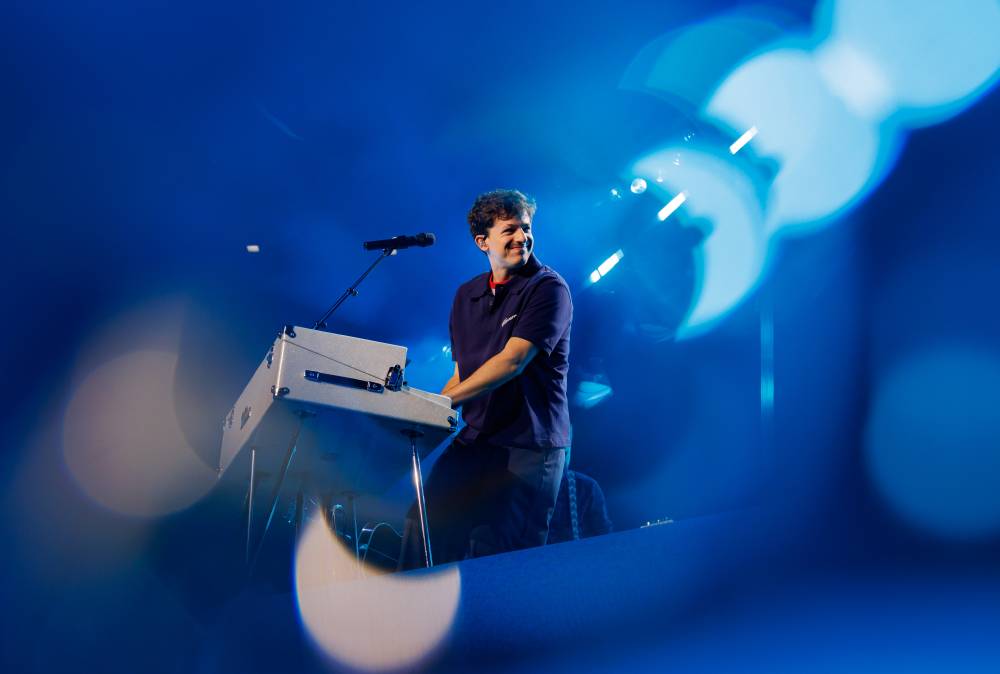
Guiding principle
And that, more than anything else, has become his guiding principle today. Of course, he wants listeners to resonate with his work—not necessarily as a hit or in streams, but in a way that allows them to know more about his life and personality than he might otherwise let them in on.
Success is also no longer measured by superficial desires, though it certainly was early on, as shown in the song “I Used to Be Cringe,” where he recalls dreaming “of buying mansions… in the movies that I love.” His definition is much simpler now: He feels most successful when he wakes up with music playing in his head.
“It’s about holding onto that same feeling I had when I first came to the Philippines,” he says.


