








Chinese restaurants that break the traditional mold

Chinese New Year celebrations, at least for many Chinese Filipino (Chinoy) families, are often punctuated by… well, Chinese food. Served in lauriat-style—a generous spread of hearty dishes spun around on a lazy Susan turntable—it features noodles, meats, seafood, soups, rice, and desserts, all meant for sharing.
Don’t get me wrong: Chinese food has its appeal despite being a constant (and at times, stereotypical) presence during this time of year. But for those who want a taste of something different yet still familiar, these spots offer a fresh take on flavors we know and love.
Little Grace Dining: Nostalgic Chinoy comfort food, all grown up
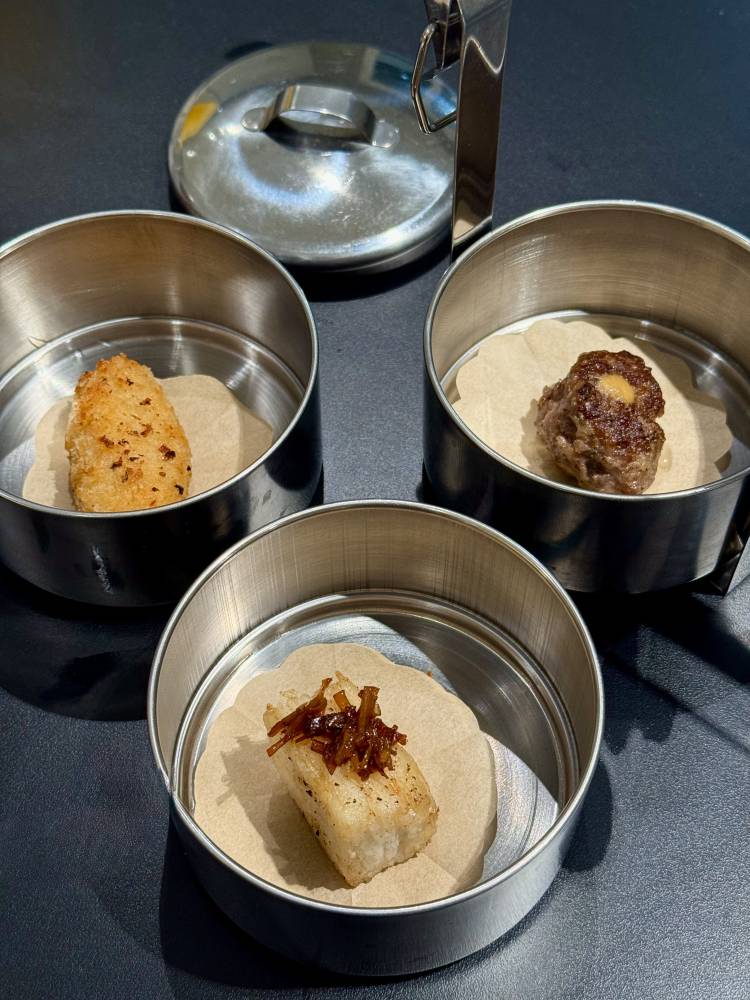
Inspired by the Chinese Filipino dishes of his childhood, chef Sharwin Tee sought to recreate the same nostalgic flavors in Little Grace Dining—one of the first Chinoy tasting menus in the country. The Autumn menu, with dishes named after its Hokkien equivalent, begins with “Tiam Sim”—merienda—a trifecta of radish cake pave topped with XO sauce, Wagyu meatball topped with homemade banana ketchup, and deep-fried, croquette-style battered shrimp, served in a three-tiered tiffin box.
The mains, however, are where Tee’s culinary prowess truly shines. The beef and broccoli elevates a common Chinese go-to order with Mayura Station Wagyu, homemade oyster sauce (made with sakura-smoked oysters, Tee will have you know), broccoli, and pickled ampalaya, along with “Kiam Peng,” reimagined into a paella-style dish using Japonica rice, crispy pork belly, mustard leaf pesto, and apple mostarda for that sweet note. And ending on a sweet note, dessert features a refreshingly cool “Amah’s Gulaman”: panna cotta with a brûléed sugar top and a scoop of pineapple curd—all of which sits in half an orange—and a warm little pocket of “Malay Ko,” a sponge cake made with muscovado sugar.
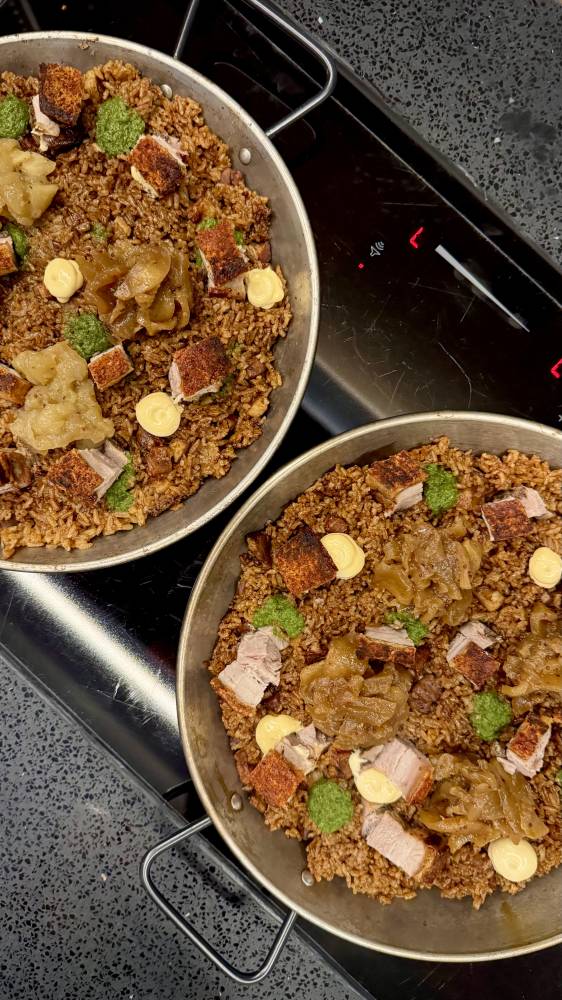
“For Chinoys, the menu gives them a hit of nostalgia, reminding them of dishes they enjoyed growing up,” Tee explains. “Meanwhile, for diners who may not have grown up with Chinoy food, the menu gives them a fun introduction to the cuisine.”—Diane Nicole Go
Little Grace Dining is still accepting reservations for its last run at CCA BGC on Feb. 13 and 15 before it moves to a different location. Each tasting menu is P5,000 per head. To reserve, message @littlegracedining on Instagram or Facebook
At Lazy Suzy, Patrick Go works doubly hard
Despite the tight Asian food space today, chef Patrick Go has managed to squeeze out something creative in his latest venture called Lazy Suzy. But make no mistake, Go isn’t slacking off.
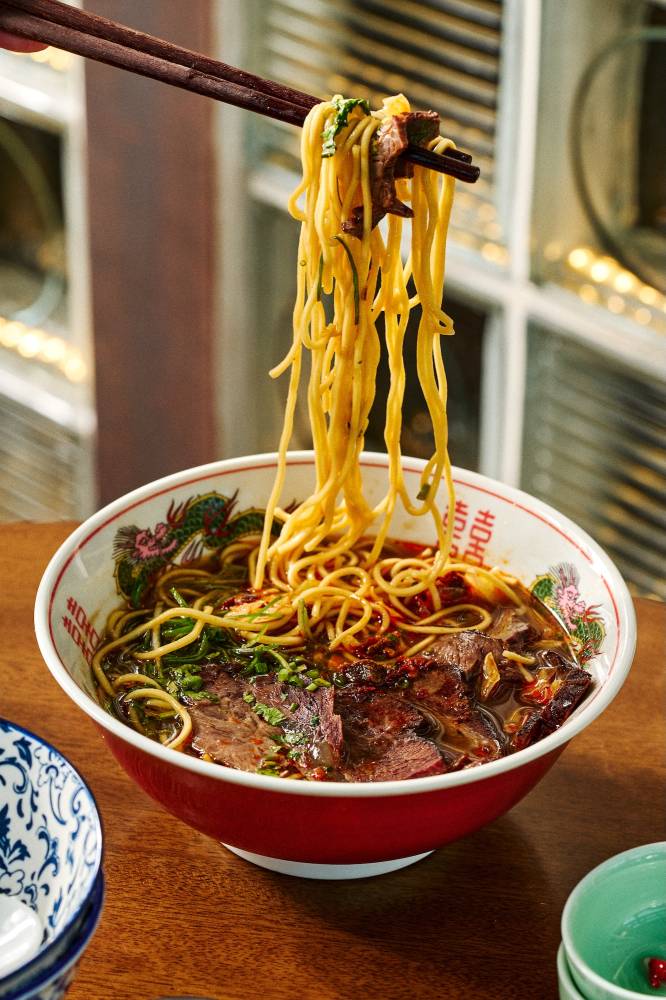
Inspired by the lazy Susan, the turntable device that helps in food distribution commonly seen in Chinese restaurants, Go’s younger, more modern take on East Asian cuisine is equally hinged on movement. From crispy fried dumplings flourished with seaweed floss to slow-cooked Angus beef brisket noodles, everything on the menu contributes to Lazy Suzy’s positioning to satisfy every possible Asian craving.
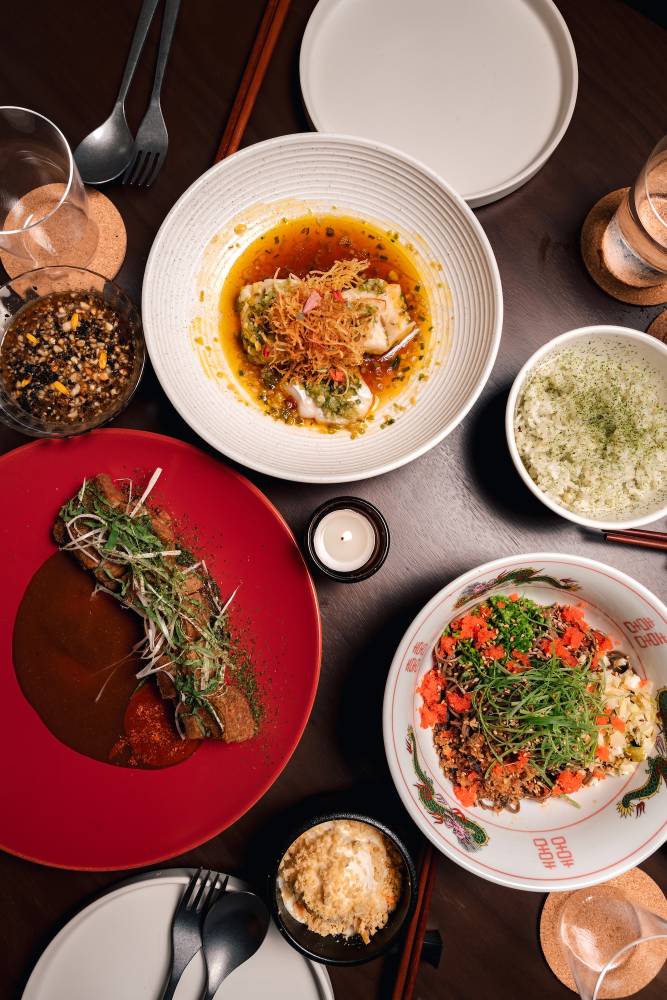
Coupled with Royce Pua’s cocktails that reference kabukicho or combine shochu, genmaicha, and hojicha, Lazy Suzy is a focused stroll in modern East Asia with just enough twists and turns to keep customers guessing.—Eric Nicole Salta
Lazy Suzy is located at 6/F The Podium Social, Mandaluyong City. Follow them on Instagram @lazysuzy__
Good dim sum at Hǎo, naughty drinks at Huài
Located in the bustling food scene of Forbes Town, BGC, Hǎo stands out inconspicuously with its bright red facade (can’t get any more Chinese than that), but its interiors show a duality crafted by the renowned designer Kenneth Cobonpue.
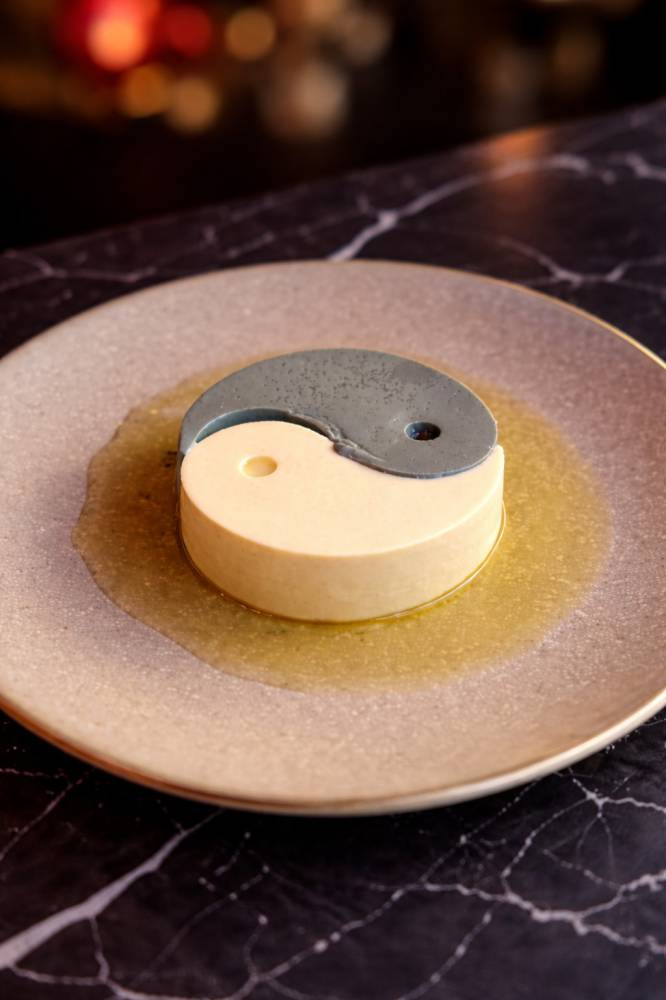
The first floor, Hǎo (the Chinese word for good), is where traditional Chinese cuisine is reimagined—think Xiao Long Bao with the vinegar already inside the dumpling instead of served on the side and shrimp dumplings encased in deep-fried strands that trade off the usual sweet chili sauce for a creamy wasabi mayo. And the highlight: a Yin & Yang dessert made up of black sesame pudding for Yin, and almond for Yang, finished off with a drizzle of sour-sweet passionfruit syrup.
But upstairs is where things get naughty, literally. Named Huài, the Chinese word for bad, the bar features a moody, low-key setting (and a massive dragon overlooking the area) to unwind and drink cocktails in. Health, for example, is a syrupy herbal drink that brings together Cazadores Reposado, the Chinese medicine Pei Pa Koa, and lime; Wealth features Jack Daniel’s whiskey, Sichuan honey, smoked oak, and citrus; and Pearl is a buttery drink with Bacardi Ocho, five spice ghee, orange, and lime.—Diane Nicole Go
Hǎo is located at Rizal Dr., Forbes Town, Bonifacio Global City, Taguig

TamJai Mixian: Come for the heat, stay for the broth
Founded in 1996 and brought to Manila by Suyen Corporation, noodle shop TamJai Mixian boasts 203 stores in Hong Kong alone, thanks to its customizable concept that highlights three key components: First is mixian, the gluten-free rice noodles beloved for their ability to soak in the soup’s essence; then, the four distinct broths that leverage various flavors for a range of customers (from light and umami-rich to numbing and spicy mala broth, among others).
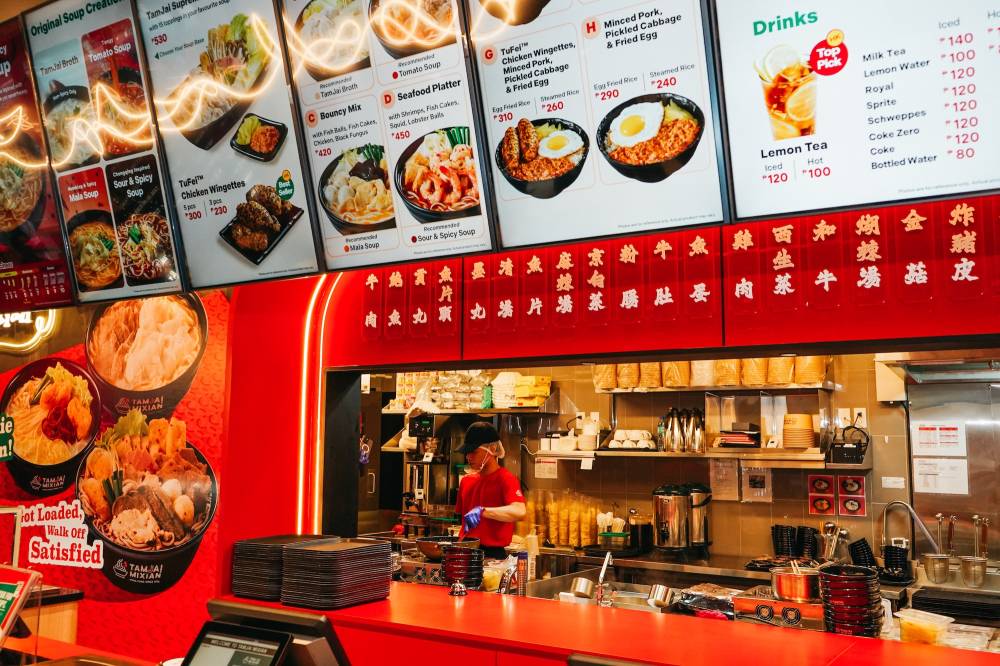
Lastly, the “cart noodle” customization afforded to guests is perhaps the most important experience. The best thing about this feature is the fact that it builds a stronger sense of connection and loyalty. There are convenient, ready-made bowls, but there is also the option to create your own experiences, adapt to moods, vibes, and habits.
“We are not just serving noodles; we are bringing a piece of Hong Kong’s daily life to Manila,” says TamJai International’s chairman, executive director, and CEO Daren Lau.—Eric Nicole Salta
Toss to prosperity and good fortune at Man Ho
Echoing the tones of prosperity and generosity that the Chinese New Year celebrates, Newport World Resorts invites its guests to indulge and partake in Chinese food at its Michelin-recognized Cantonese restaurant, Man Ho, located at Manila Marriott Hotel.
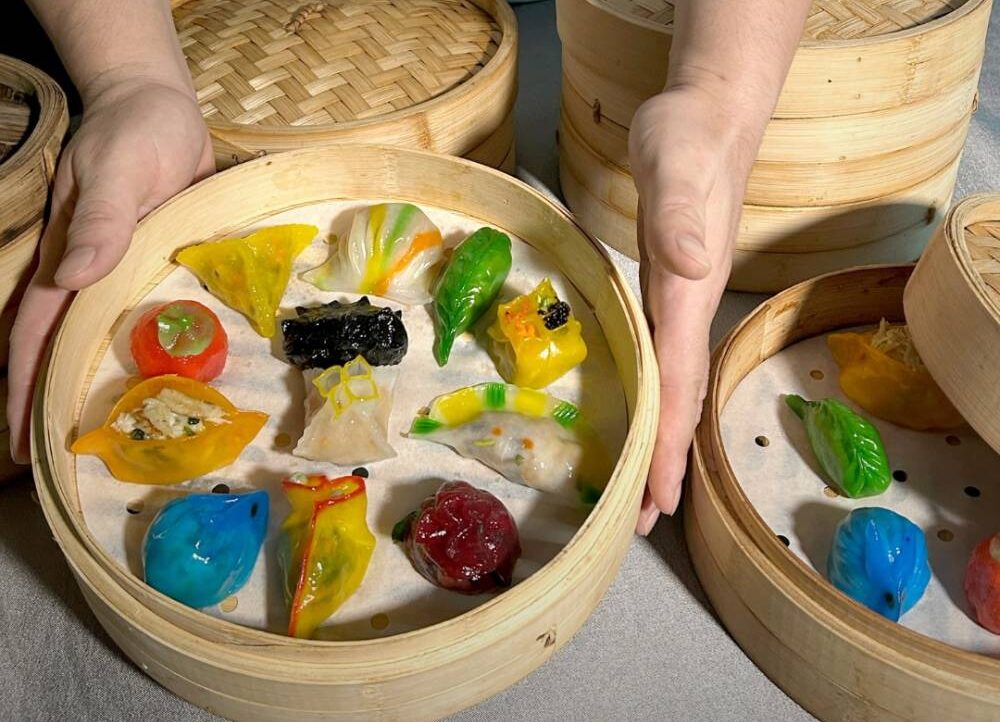
More than impressive banquet-ready fare made for sharing, it serves up seasonal dishes like the Prosperity Dimsum Set, and the Poon Choi, a layered “big bowl” centerpiece dish filled to the brim with varying seafood and meat to symbolize abundance and unity.
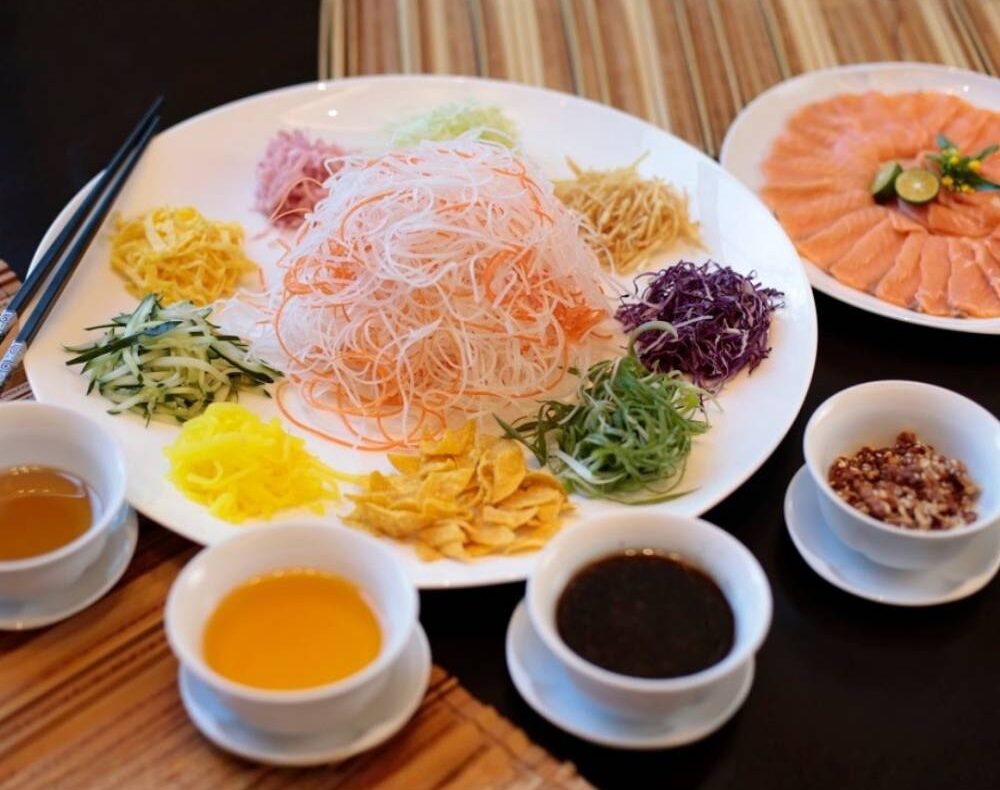
Integral to the festivities—and very much part of Man Ho’s offerings—is a celebratory ritual that has found a home in the Philippines: the Lo Hei prosperity toss. This colorful salad, made with shredded vegetables, is served with fish, as the Chinese word “yu” sounds like abundance. It is then tossed as high as it can go while diners chant “Lo Hei” for prosperity, good fortune, and success.—Diane Nicole Go
For more information, visit www.newportworldresorts.com or follow @newportworldresorts on social media