









Managing your type

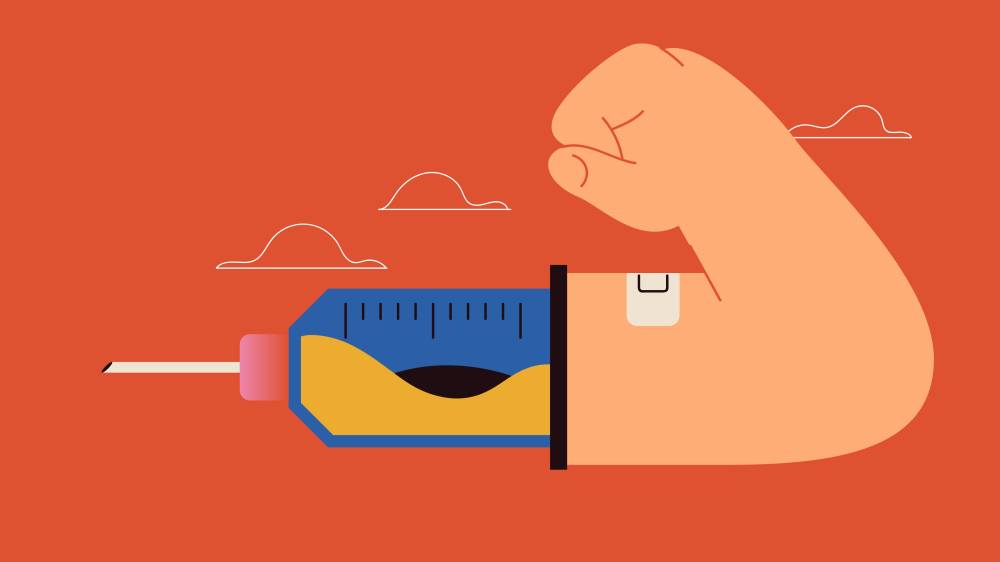
Type 2 diabetes is one of the most prevalent problems modern society faces. Previously referred to as “adult-onset diabetes,” it is now starting to become more common in younger adults and even children. This marks a global shift in lifestyle and dietary habits. Understanding this condition is the first step in managing a very real risk to your long-term health.
What is Type 2 diabetes?
Type 2 diabetes is a chronic metabolic condition that affects how your body processes blood sugar (glucose). Glucose is the primary source of energy for your body’s cells, and it comes from the food you eat. Once digestion begins, it needs to move glucose from the bloodstream into the cells. To do this, your pancreas produces a hormone called insulin.
For a healthy individual, insulin acts like a key that opens the “doors” of your cells. In someone with Type 2 diabetes, this key is often used too often. As a result, one of two things happens: either the body’s cells become resistant to the effects of insulin or the pancreas eventually loses the ability to produce enough insulin to maintain normal blood sugar levels. When the “key” no longer works or isn’t available in sufficient quantities, sugar builds up in the bloodstream instead of fueling the cells. Over time, these high blood sugar levels can cause significant damage to various systems throughout the body.
The health implications of Type 2 diabetes
The danger of Type 2 diabetes lies in its systemic nature. Because blood flows to every part of the body, chronically high glucose levels can lead to a wide array of medical complications. These issues tend to develop silently over several years.
One of the most common implications is cardiovascular disease. People with diabetes are at a significantly higher risk for heart attacks, strokes, and narrowing of the arteries (atherosclerosis). Having high sugar levels can damage the inner lining of your blood vessels. This makes it easier for plaque to build up.
Your kidneys also become highly vulnerable. Also known as diabetic nephropathy, this condition occurs when the tiny filtering systems in the kidneys are damaged by high blood sugar often due to inflammation. In severe cases, this can lead to kidney failure or end-stage renal disease, requiring kidney dialysis or, in extreme cases, a transplant.
Diabetes is also a leading cause of vision loss. Diabetic retinopathy involves damage to the blood vessels in the retina, which can lead to blindness if left untreated. On top of these, other nerve-related issues, known as neuropathy, are caused by diabetes. This often manifests as tingling, numbness, or pain, particularly in the hands and feet. Because neuropathy can reduce the ability to feel pain, minor cuts or blisters on the feet can go unnoticed. Diabetes also makes wound healing more difficult, potentially leading to serious infections and even amputation.
How to avoid Type 2 diabetes
The good news is that Type 2 diabetes is largely preventable, and in many cases, its progression can be halted or even reversed through proactive lifestyle changes. Here are four critical strategies to reduce your risk:
1. Prioritize whole, nutrient-dense foods
Your diet is the most powerful preventative tool. Focus on shifting away from highly processed carbohydrates and refined sugar as these cause rapid spikes in blood sugar and put a heavy load on your pancreas. Instead, fill your plate with fiber-rich foods like leafy greens, legumes, whole grains, cruciferous vegetables, and berries. Fiber slows the absorption of sugar, leading to a more gradual rise in blood glucose levels. Additionally, incorporating healthy fats (like those found in avocados and nuts) and lean proteins can help keep you satiated and maintain stable energy levels throughout the day.
2. Incorporate consistent physical activity
Exercise does more than just burn calories; it actually makes your cells more sensitive to insulin. When you engage in physical activity, your muscles use glucose for energy. This keeps your blood sugar levels in check without requiring extra insulin. Start with at least 150 minutes of moderate aerobic activity per week. You may begin with joint-friendly efforts such as brisk walking, cycling, or elliptical. Adding resistance training twice a week is also largely beneficial. This helps build muscle tissue and is more metabolically active and significantly better at utilizing glucose than fat tissue.

3. Maintain a healthy weight
While genetics play an important role, excess body weight—particularly around the abdomen—is the single greatest predictor of Type 2 diabetes. This is called visceral fat, which is metabolically active. It releases inflammatory chemicals that contribute to insulin resistance, making your condition worse.
Research has shown that losing even a modest amount of weight five to seven percent of your total body weight) can significantly reduce the risk of developing the condition, more so if visceral fat drops significantly. Focus on sustainable, long-term habits rather than “crash diets” to ensure the weight stays off. To shed more amounts of visceral fat, avoid things like excessive alcohol, processed foods, and, of course refined carbohydrates or sweets.
4. Stay hydrated and mind your portions
Drinks are mostly composed of empty calories. Sugary sodas, energy drinks, and even many fruit juices marketed as “healthy” are often loaded with “hidden” sugars. These contribute to weight gain and insulin resistance. Making water your primary beverage is an easy way to cut hundreds of calories and grams of sugar from your weekly intake. Unsurprisingly, practicing portion control (e.g. using smaller plates or being mindful of serving sizes) can prevent the overconsumption of calories.
Type 2 diabetes is a serious condition, but it is not an inevitable part of aging or helplessly tied to our genetics. By understanding how insulin works, recognizing the long-term risks of high blood sugar, and making concrete steps to manage these factors, you can nip this problem in the bud. Incorporate small yet consistent changes in how you eat, move, and live. This can create a powerful defense tactic against this disease.
Remember, ensuring a healthier and more vibrant future is rooted in taking action today. This is the best investment you can make in your long-term well-being.