












The brands doing resets, relaunches, and retro design right


The foodservice landscape is constantly evolving. For businesses, this could mean adapting to consumer shifts, revisiting a successful formula, or banking on the next phase of expansion through design. Three operators navigating the same landscape are doing just that.
Rabbit Room rethinks its role in the community
Nearly three years ago, Rap Cristobal took a risk with a restaurant hinged on rabbit dishes that eventually became bestsellers. “We didn’t expect it to be a hit,” admits Cristobal in a 2023 interview with F&B Report. This year, however, Rabbit Room is rebranding (without changing its name) to adapt to the current shifts in how customers eat and, especially, drink today.
“We built this place for people to go out and drink—from dining to drinking in an intimate setting—but the market now, hindi na rin umiinom,” says partner Denise Liao, adding that while the concept worked before, the seismic shifts today meant they needed to pivot.
The stocked bar is gone. The color palette is cleaner. The DJ booth also had to go.
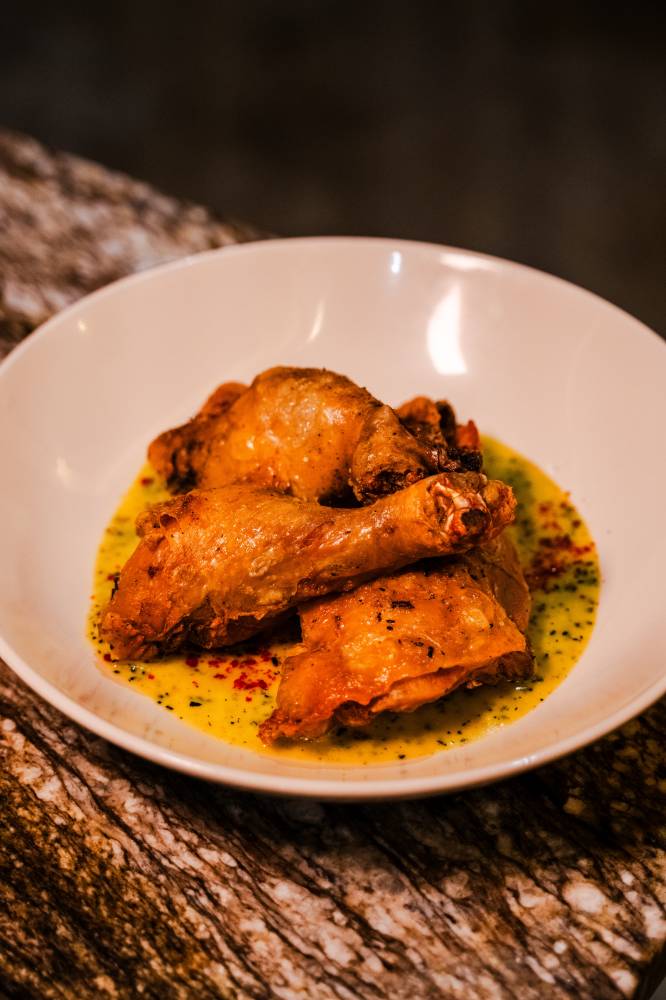
Some things have remained, though. There is still rabbit on the menu, of course, but it’s become more attuned to what the San Antonio neighborhood craves—grilled rabbit skewers inasal-style, rabbit lumpia, rabbit in kaldereta, adobo, and sisig. Just hearty and satisfying servings of its signature meat.
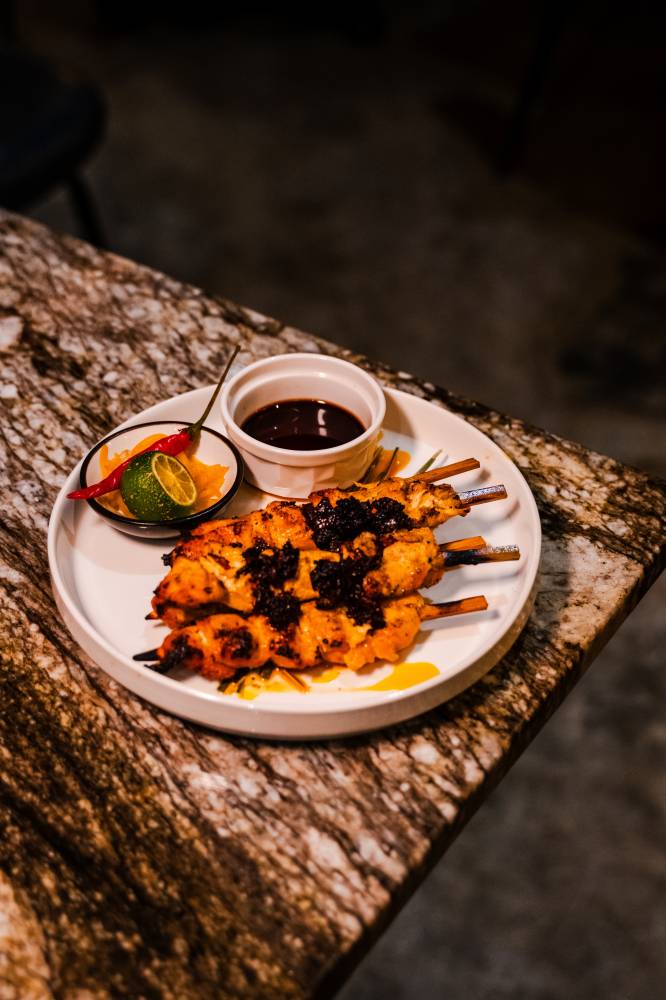
This shift is visible across the menu, where it leans on Cristobal’s Purple Yam background, equipping it with regional yet casual Filipino dishes that recognize the need to reach a wider market.
Almost all of the products, save for the value-driven lunchtime specials, are for sharing. And the pricing is an accessible entry point for Rabbit Room’s repositioning, with most plates costing under P500.
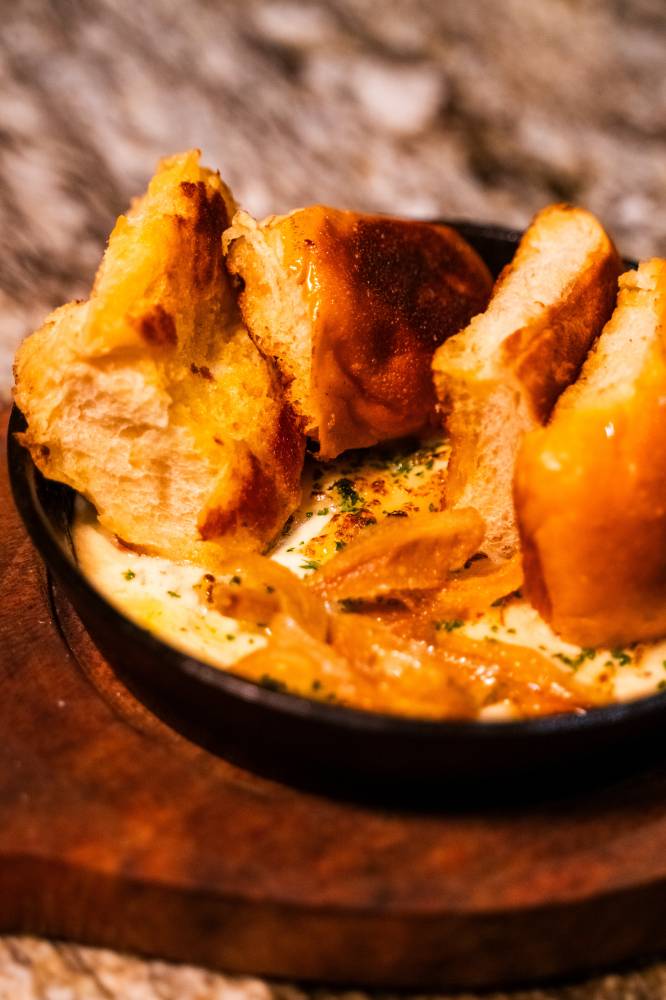
Amid its search for a new brand identity, Rabbit Room is still the little restaurant that could. The industry may be reeling from changing habits and external pressures, but this next chapter sees Cristobal periscoping the landscape to find their place again in the neighborhood.
Rabbit Room is located at 8858 Sampaloc St., San Antonio, Makati. Follow @rabbitroom_ for updates
Osteria by Josh Boutwood’s second coming
Call it his second coming, but Josh Boutwood seems to be at home in Balmori Suites. So it isn’t a surprise to see him back again with Osteria, which runs until June 28. “This return is about bringing people back to that experience,” Boutwood says. “Good food, strong flavors, and a space that feels relaxed and welcoming.”
The current menu is a throwback of sorts, bringing back gorgeous plates such as the arancini de ragu and a delicately creamy platter of Chilean mussels cooked with white wine and Calabrian ‘nduja to start.
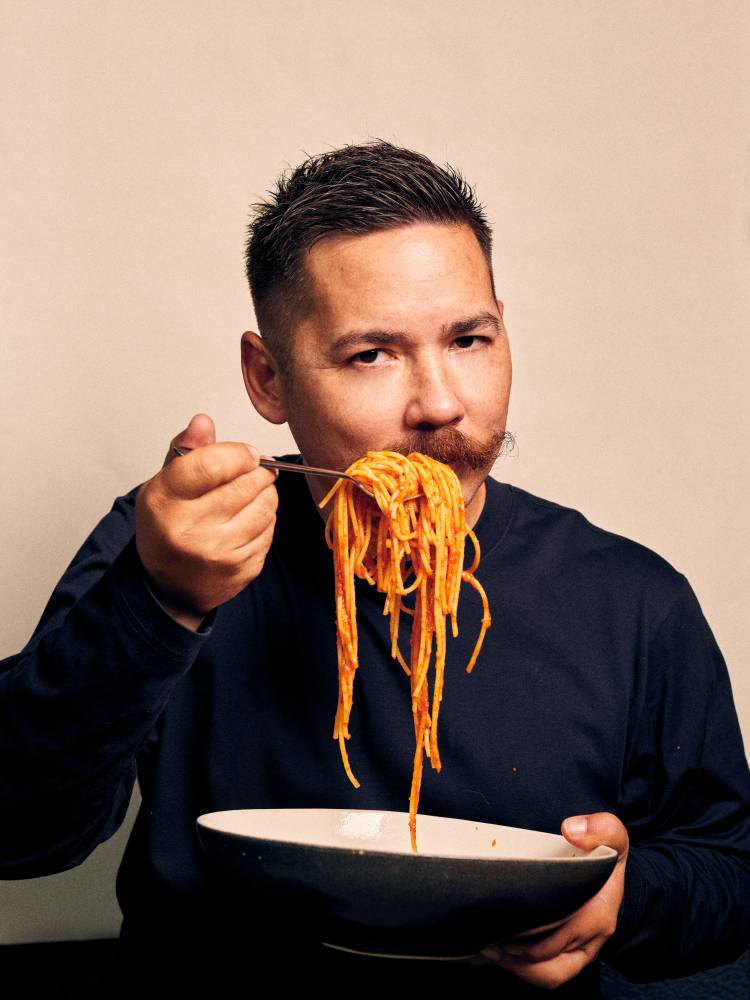
Pastas such as the rigatoni with fennel sausage and mushroom cream, and mains like the massive pork cotoletta and roasted barramundi hint at Boutwood’s Goldilocks approach to Italian cooking. He doesn’t imitate; instead, he unpacks its essence and then renews and broadens traditional dishes with his own techniques and choice of ingredients.

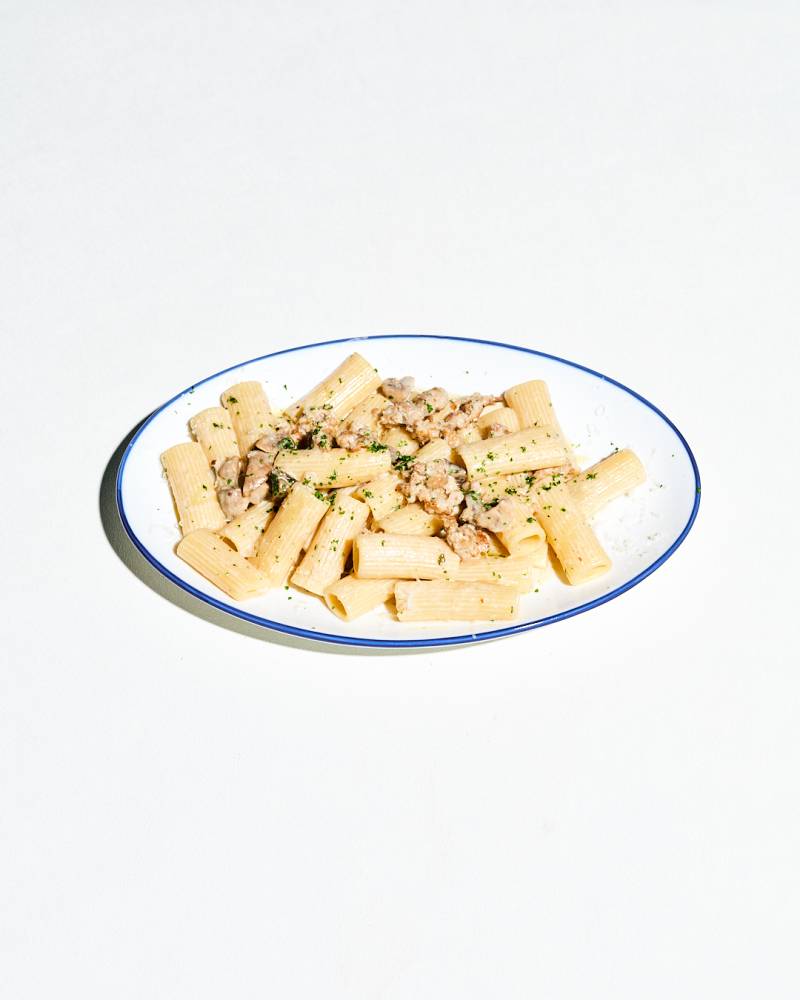
Expect to see a significant menu transformation throughout the month-long residency as Boutwood steadily deploys new dishes that remain anchored in Osteria’s core identity.
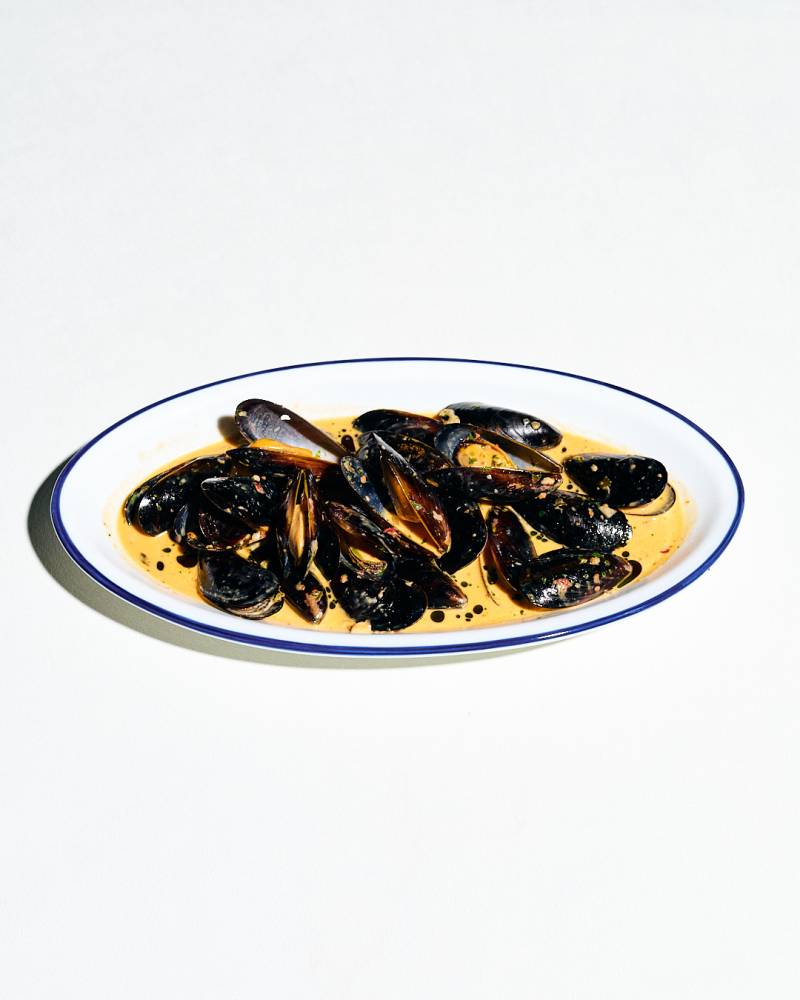
Osteria by Josh Boutwood is open until June 28, at the Chef’s Table at Balmori Suites, Rockwell Center, Makati City. To book a table, call or message +63-999-99999
Key Coffee Kissaten’s new “Ginza Salon” location helps define the benchmark for cafe excellence
What’s the big idea at Key Coffee Kissaten’s new branch in Glorietta? Reimagining its cafe concept with a Showa-era retelling, seen in the elegant European-inspired interiors designed by Noel Bernardo, which once lined Ginza’s cafes. Hence, the name “Ginza Salon” is for the brand’s next scaling step.
Also powering Key Coffee Kissaten’s next wave of cafe storytelling is its focus on value, innovation, and experience in the menu, led by executive chef Mianne Manguiat. Bento sets of wagyu yakiniku, grilled cod, and wagyu tartare served with rice, miso soup, and assorted side dishes capture the demands of discerning consumers looking to get the most out of their budget.
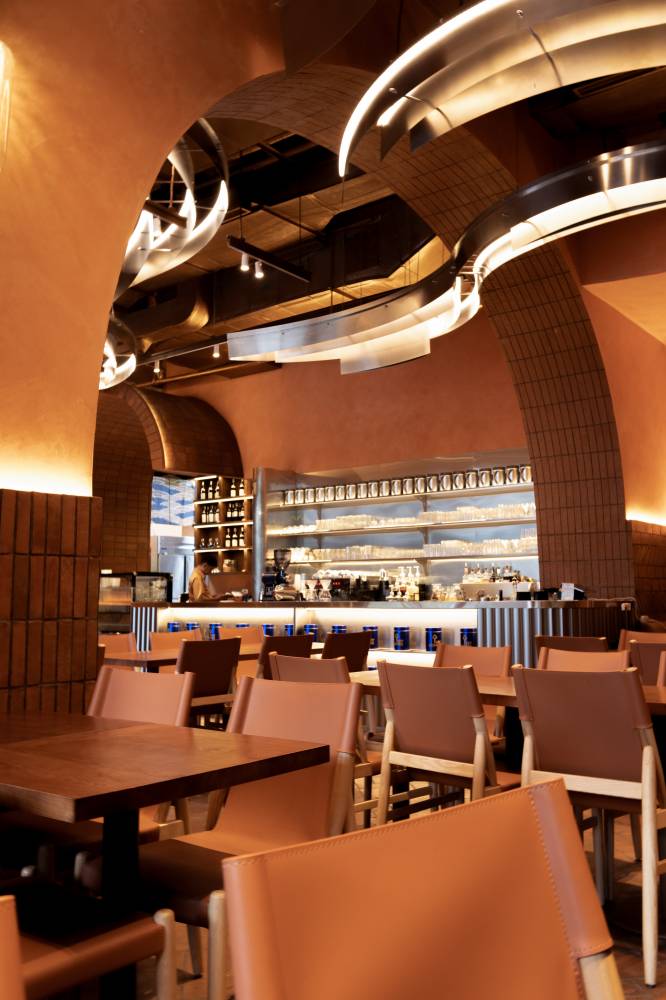
The beverage program is strong, thanks to its coffee legacy that includes the single-origin Arabica Toarco Toraja, sourced from Key Coffee’s own farm in the highlands of Sulawesi in Indonesia. There is also a dark roast made from local beans and a coffee bento flight that could become part of the conversation of coffee enthusiasts or curious customers.
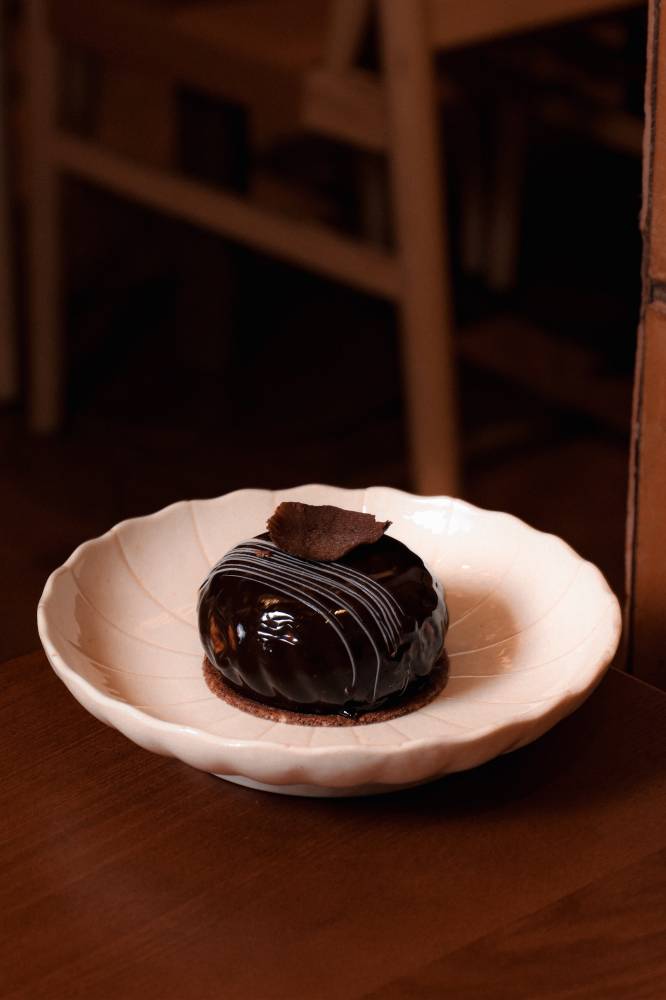
What Key Coffee Kissaten’s Ginza Salon branch shows is that while design matters in attracting customers, it’s not enough to lean on it alone. Product quality and consistent hospitality are crucial to get them into the door, stay there, and encourage them for repeat visits.
Key Coffee Kissaten – The Ginza Salon is located at G/F, Glorietta 2, Ayala Center, Makati City. Follow @keycoffeekissaten/Instagram for updates


