









ICC agrees to hear witness on ‘DDS’ modus


The prosecution panel of the International Criminal Court (ICC) was given the go-signal to add to its list of evidence a testimony on the existence and operations of the Davao Death Squad (DDS), allegedly a group of hit men who took orders from former President Rodrigo Duterte, starting when he was still Davao City mayor.
In a decision on Oct. 2, the ICC’s Trial Chamber (TC) III granted the prosecution’s request to introduce the statement of a witness, identified as “P-1100,” for being substantial and relevant to the background and context of the case against Duterte.
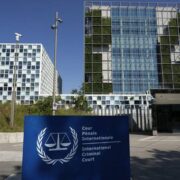
The trial proper of Duterte is set to start Nov. 30. Detained at an ICC facility in The Hague since March last year, the 81-year-old is facing charges of crimes against humanity over the thousands killed in the antidrug campaign he waged as city mayor and later as President.
Duration cut
On Aug. 31, the prosecution applied for the admission of P-1100’s testimony as evidence, calling it “relevant and reliable” in establishing Duterte’s criminal liability.
Rule 68(3) of the ICC Rules of Procedure and Evidence allows the chamber to introduce previously recorded testimony during trial without any objection and as long as all parties to the case are given time to examine the witness during the proceedings.
In granting the prosecution’s request, the TC III stressed that witnesses should provide evidence based on their “personal perspective.” This includes providing conclusions or opinions while testifying in court.
“Although P-1100’s prior recorded testimony contains some opinion statements, the defense will have the opportunity to question the witness, including to test the basis of P-1100’s knowledge, to probe the foundation for the interpretations he offers, and to elicit the limits of what he is, and is not, able to say from personal observation,” the TC III said in its 15-page decision.
The chamber opposed the comments made by Duterte’s lawyers on the matter, saying there was no indication that the prosecution planned to use the testimony to make or support conclusions that are beyond P-1100’s personal knowledge.

The chamber, however, only permitted the introduction of five materials associated with P-1100, identified in the documents as PHLOTP-0025-0267, PHL-OTP-0005-0737, PHL-OTP-0003-2952, PHL-OTP-0000-1797 and PHL-OTP-0000-1798.
The remaining four items tied to P-1100’s evidence were rejected because they either had no “probative value” or did not show that it was integral or necessary to his overall testimony. But the defense may still use the rejected pieces of evidence for cross examination, the chamber said.
While P-1100’s testimony would be allowed to be reexamined, the TC III directed the prosecution to limit its questioning to just one hour, not two as earlier requested.


