









Japan missile hits target in ‘Balikatan’ military drills

Japan’s Self-Defense Force fired a Type 88 surface-to-ship missile in the Philippines for the first time during the “Balikatan” (shoulder-to-shoulder) Exercise 2026 on Wednesday, hitting a target vessel off Ilocos Norte, the Department of National Defense (DND) said.
The missile was launched from a Japanese ground-based battery during a maritime strike drill at the Paoay Sand Dunes and hit a target ship about 185 kilometers offshore in six minutes, according to officials.
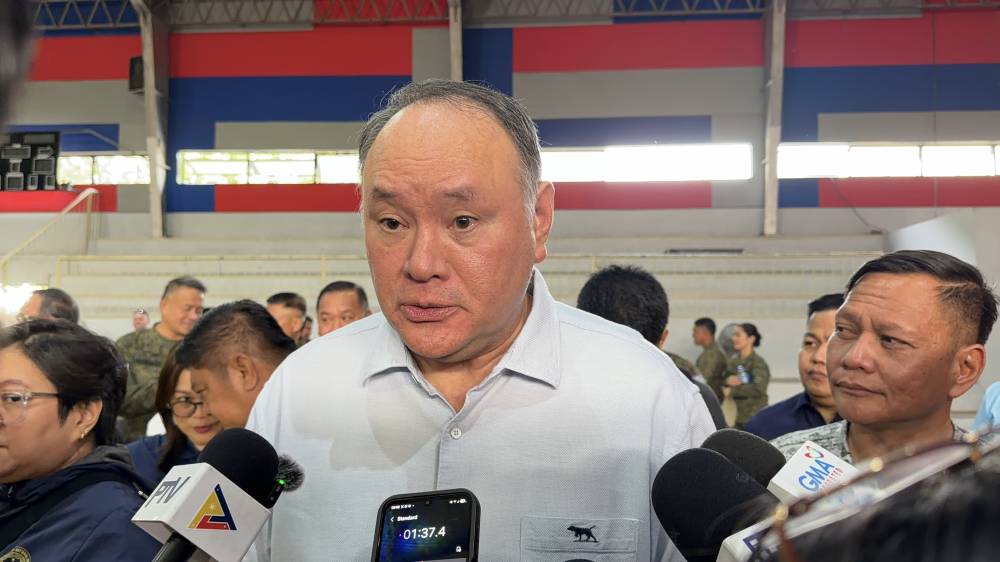
The DND said Defense Secretary Gilberto Teodoro Jr. and Japanese Defense Minister Shinjirō Koizumi witnessed the exercise, which involved troops from the Philippines, the United States, Japan and Australia.
The drill highlighted interoperability among participating forces and showcased the precision strike capability of Japan’s Type 88 missile system, which is intended for coastal defense and deterrence against maritime threats, it added.
“This is the first time our Japanese friends tested their Type 88 missiles [in the Philippines],” Teodoro told reporters at Paoay. “We have seen how it works and it is something that we can interoperate in the future.”
The Type 88 (SSM-1) missile technology, similar to the US-made Harpoon system, is almost 40 years old and has been superseded by more advanced Japanese systems, like the Type 90 (SSM-1B) and Type 93 (ASM-2) systems.
Japan’s participation in this year’s Balikatan Exercise expanded significantly, with about 1,400 personnel deployed or roughly ten times last year’s level.
Militarization claims
“From planning to forming to resource management, so it will only get smoother and better,” Teodoro said. “The culmination was simple, a missile firing, but to get there was very difficult and we surmounted the obstacles.”

The defense chief also referenced the test firing on Tuesday of a US Tomahawk cruise missile from a Typhon launch system in Tacloban Airport in Leyte. It hit a target in Laur, Nueva Ecija, on Tuesday, a distance of about 630 kilometers.
Teodoro rejected claims that the exercises amount to militarization, saying they remain under civilian authority and are conducted transparently. “These things should have been exercised and done a long time ago, this being an archipelago,” he added.
Armed Forces Chief of Staff Gen. Romeo Brawner Jr. earlier said this year’s iteration of the Balikatan military exercises is the largest in terms of complexity and scope, with about 17,000 troops participating in multiple training activities across the country.