









Back to bad habits?

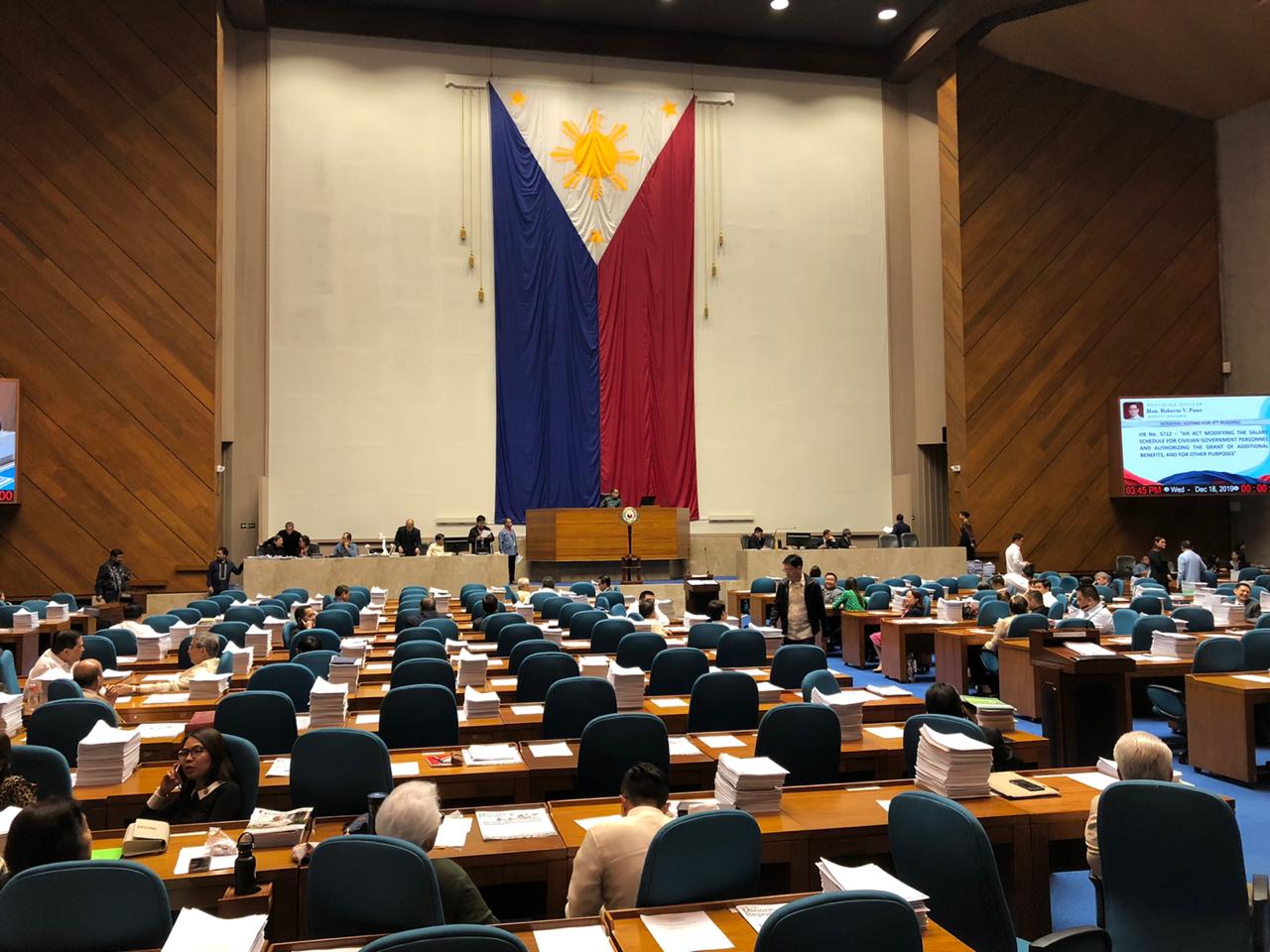
Last week, budget watchdog People’s Budget Coalition (PBC) sounded the alarm over the formation of a subcommittee of ranking legislators in the House of Representatives which would now introduce amendments to the proposed P7.2-trillion national budget for 2027. The House wrapped up floor debates on the budget bill two weeks ago, but the final draft of the measure is far from done, and the PBC expressed concern that changes to the proposed budget were already being negotiated in secret, away from the scrutinizing eyes of the public.
As PBC co-convener AJ Montesa told this paper, “our honest worry is that they are doing the negotiations behind closed doors, and that the BARSc [budget amendments review subcommittee] is just a way to make the arranged things public already.”
Opposition lawmaker Rep. Antonio Tinio has a starker warning: The BARSc meeting, he said, will be “controlled and scripted,” with only select lawmakers in the panel having a say over the proposed changes.
Hard-won victories
Those are not unfounded worries. Earlier, in August, a number of civil society organizations (CSOs) had already complained that they had been largely sidelined from the budget talks, with rules for their participation remaining unclear and their queries “seen-zoned” or ignored by the House appropriations committee.
It was only last year that, for the first time in the country’s history, CSOs had been granted accreditation and access to observe the budget deliberations in the House, to pose questions and send representatives to the hearings. The bicameral conference committee, which reconciles the versions of the appropriations bill of the House and the Senate, also had its first historic livestream on Dec. 13, 2025.
These steps toward greater budget transparency and accountability were hard-won victories for the public. And they happened only after Congress felt the people’s wrath following the massive flood control projects scandal, which had its roots in the secretive, byzantine goings-on in the budget talks.
Lawmakers by now should have learned their lesson. The people expect more, not less, openness on government spending, given the unending corruption controversies over the years that have shredded their faith in Congress’ ability to be honest and accountable when it comes to public funds.
National outrage
Before the current flood control controversy that has roiled the Marcos administration, the biggest political scandal to rock the nation was the pork barrel scam, in which scores of lawmakers, from congressmen to senators, were found to have skimmed millions from their Priority Development Assistance Fund (PDAF).
So tremendous was the national outrage over the pork barrel misuse that the PDAF, as then designed, was formally discarded—declared unconstitutional by the Supreme Court. But lawmakers were not about to give up the singular privilege of having their hands on the national till; the pork barrel system was simply redesigned, and legislators today, holding the constitutional power of the purse, continue to exercise huge discretionary control over public funds.
And with that power has come yet more corruption and illegality. Plunder and thievery in high places have grown to such gargantuan levels that billions of pesos are estimated to have been lost to “ghost” infrastructure projects uncovered only in the last couple of years or so. Investigations into these irregularities have time and again led back to the labyrinthine budget process in Congress, where horse-trading and bargaining for pet projects among lawmakers are the name of the game.
Audit trail
Allowing for greater public participation in the budget deliberations was supposed to mitigate that disorder in the system. Ideally, the public should be able to see every single amendment and insertion made to the proposed national budget, from the submitted National Expenditure Program to the final General Appropriations Act signed by the President. That audit trail should be clear to any citizen interested in finding out where the money is going, who’s receiving it and for what purpose, who pushed for this or that allocation, which amendments went through, and so on. And for that to happen, CSOs and budget watchdogs like PBC must be present every step of the way, as the people’s eyes and ears in the budget proceedings.
But, barely over a year after Congress cracked the door open for outside observers, it appears it is now slinking back to bad habits, once again resorting to secrecy and ambiguity in hammering out the budget, when the floodwaters of the infrastructure scandal continue to lap at its doors and assorted lawmakers are still entangled in courts or held in public scorn for their part in the corrupt scheme.
If lawmakers think the citizenry has moved on from the raging anomalies that forced them to accommodate more public oversight of the budget process in the first place, they should think again. Filipinos are in no forgiving mode this time.



Children learn what they live