


Here comes the rain again and Marikina is ready for flooding


I have stayed in Marikina City all my working life and have witnessed how the place suffered from flooding every time the rain hits hard during typhoons and habagat seasons. The people, especially the residents, are gripped with fear when the rain starts pouring nonstop, a reminder of the tragic event that hit the city in 2009.
During Typhoon “Ondoy,” I can still remember well the houses and establishments submerged in water and the people crying in fear and desperation as their hard-earned properties and belongings were destroyed by the natural disaster everyone thought was just passing by. Many people were reported dead, missing, or hurt in the aftermath of the typhoon. The succeeding disasters, like Typhoons “Ulysses” and “Karina,” have frightened locals, leaving many Marikenyos traumatized by the sound of rain.
This year is different: despite the water level in Marikina River reaching 16 to 17 meters, many places that should have been flooded have no trace of floodwater. This was the scene in the city in the past few weeks as Typhoon “Maymay” and the habagat it brought battered the city with strong downpours, which continued for 12 hours at a time. The only exceptions are low-lying areas that expected a rise in water levels should the rain continue pouring for hours. This brought hope to many Marikina residents because it was a change most locals never expected to see in their lifetime.
Good governance, science, and people’s initiative. These improvements are welcomed by Marikenyos. A number of things contributed to this unbelievable outcome. First are the strategic planning and dedication of the local government unit of Marikina City. The flood control projects implemented under the current administration helped prevent floodwater from hitting most low-lying areas in the city.
Second, the use and implementation of hard science as projects are executed in many places in the city is something to consider. The dredging and the widening of Marikina River have increased its capacity to accommodate water, reducing flooding in nearby communities.
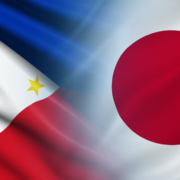
The participation of the Japan International Cooperation Agency made the projects more durable and viable, strengthening flood-mitigating infrastructure and protecting people’s homes from devastating floods.
Third is the willingness and participation of the people of Marikina City, who embody the values of discipline, good taste, and excellence. The government may have the best plans and projects, but if the constituents do not do their fair share by keeping their trash in their pockets and taking it home for disposal, none of these projects will have the desired effect, no matter how grand.
Fourth, the support of the national government through the Department of Public Works and Highways (DPWH) contributed to this success. During the recent typhoon, the DPWH sent large mobile booster pumps to drain floodwater from residential areas into the river. In the future, maybe it will be less likely that we will see Marikina City on the news as one of the heavily flooded areas in the metro. Mabuhay ang mga Marikenyo, mabuhay ang katatagan ng sambayanang Pilipino!

REYNALD ALFRED
AUZANA RECEDE,
Marikina High School
For letters to the editor and contributed articles, email to opinion@inquirer.net