









New calendar, same crisis

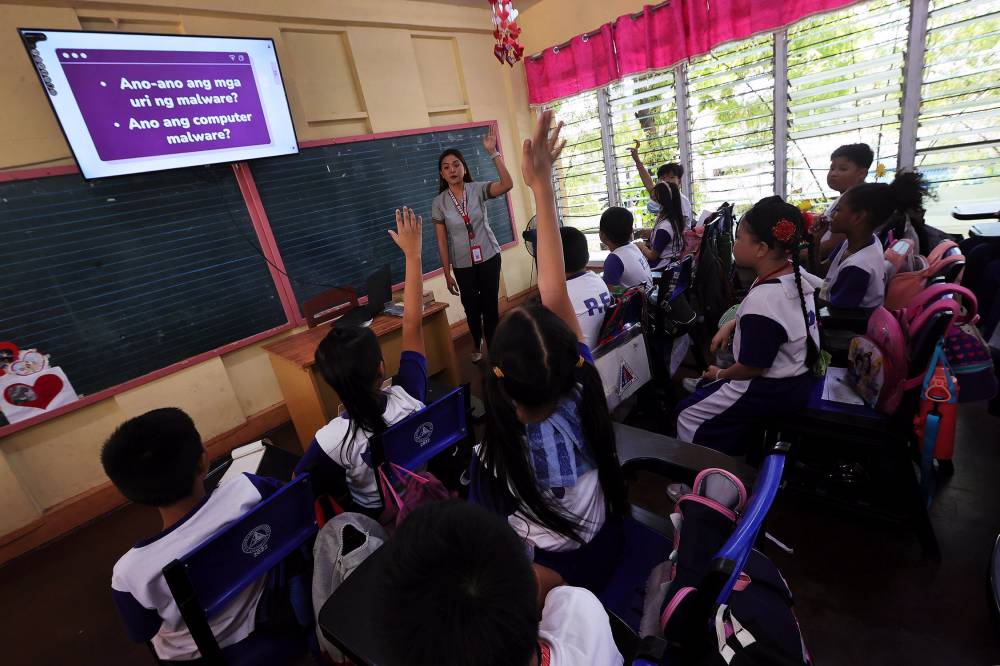
Today, June 8, the gates of public schools will open for an estimated 26 to 28 million students. They will return to their classrooms, or what passes for classrooms, to face the same old crisis under a new calendar.
Over the past week, the Department of Education (DepEd) rolled out its annual pageantry of preparation known as Brigada Eskwela. Volunteers repainted walls, repaired broken furniture, swept school grounds, and prepared facilities for opening day. By now, government officials will have made their customary rounds, posing for photographs with eager pupils and hopeful teachers.
The annual ritual is familiar; so are the troubles.
Education Secretary Sonny Angara deserves credit for treating the country’s education crisis with a greater sense of urgency than many of his predecessors. The administration has expanded interventions such as the Academic Recovery and Accessible Learning (Aral) Program, secured approval for nearly 33,000 new teaching positions, and pushed governance reforms intended to ease bottlenecks in the bureaucracy.
Much ground to cover
But despite those efforts, the Philippine education system remains mired in structural deficiencies accumulated over decades. Figures released in the run-up to the opening of classes provide a sobering reminder of how much ground remains to be covered and how little time the Marcos administration has left to cover it.
DepEd estimates a classroom backlog of 136,000. Even if the government succeeds in delivering 9,000 classrooms this year, the gap remains staggering.
In many schools, overcrowding remains a fact of life. Based on consultations conducted by the Second Congressional Commission on Education (Edcom 2), students described classrooms with as many as 60 learners as noisy, chaotic, and disruptive. Others spoke of extreme heat and poorly ventilated rooms that make concentration difficult.
Some reported persistent bullying, physical assaults, and ridicule severe enough to drive their classmates away from school for days. One student captured their ordeal succinctly: “We come to school to learn, not to be embarrassed.”
That statement should haunt policymakers. Learning losses do not occur in a vacuum, and children cannot learn effectively in environments that are overcrowded, unsafe, exhausting, and demoralizing.
Nor is the shortage limited to classrooms. DepEd may now have more than one million teaching and nonteaching personnel, but the system remains stretched thin.
Teaching positions
The approval of 32,916 new teaching positions is welcome. Yet viewed against the scale of the challenge, it is not enough.
Teachers have long been expected to compensate for every deficiency in the system. When learning materials arrive late, teachers improvise. When classrooms are lacking, teachers adapt. When reforms are introduced without adequate preparation, teachers are the ones who have to deal with the fallout.
That concern has resurfaced with the rollout of the new three-term academic calendar. While DepEd insists the reform is part of a broader strategy to improve instruction and reduce workload pressures, teacher groups have raised legitimate questions about implementation, consultation, and preparedness.
The most alarming figures, however, concern learning itself.

Edcom 2’s analysis of nationwide literacy assessments shows that while students made progress in the previous school year, nearly half still failed to reach grade-level reading proficiency by March. The situation in senior high school is even more disturbing. DepEd’s pilot literacy assessment found that only 12.58 percent of Grade 11 students qualified as independent readers. Most required help to comprehend texts expected at their level.
A simple question
For years, international assessments have delivered the same verdict. The Philippines has consistently ranked near the bottom in reading, mathematics, and science. According to the United Nations Children’s Fund, Filipino learners lag behind peers in countries with similar economic conditions by five to six years of schooling.
Angara is right to focus on improving learning outcomes, but the goal must go beyond raising scores. After all, the Philippines is not competing against its own dismal baseline but trying to catch up to a world that is leaving it behind.
The Marcos administration has just two years left. That is not enough time to solve every problem it inherited but enough to prove that meaningful change is possible. More classrooms must be built. More teachers and support personnel must be hired. Learning materials must arrive on time.
Only then will a new academic calendar signify more than a change in schedule. Otherwise, students will return next year to the same classrooms, or what passes for classrooms, only for their first-day optimism to once again turn into frustration.
In the end, every peso spent and every policy decision must be judged against a simple question: Will it help Filipino children learn better?