





Who let the watchdogs out?

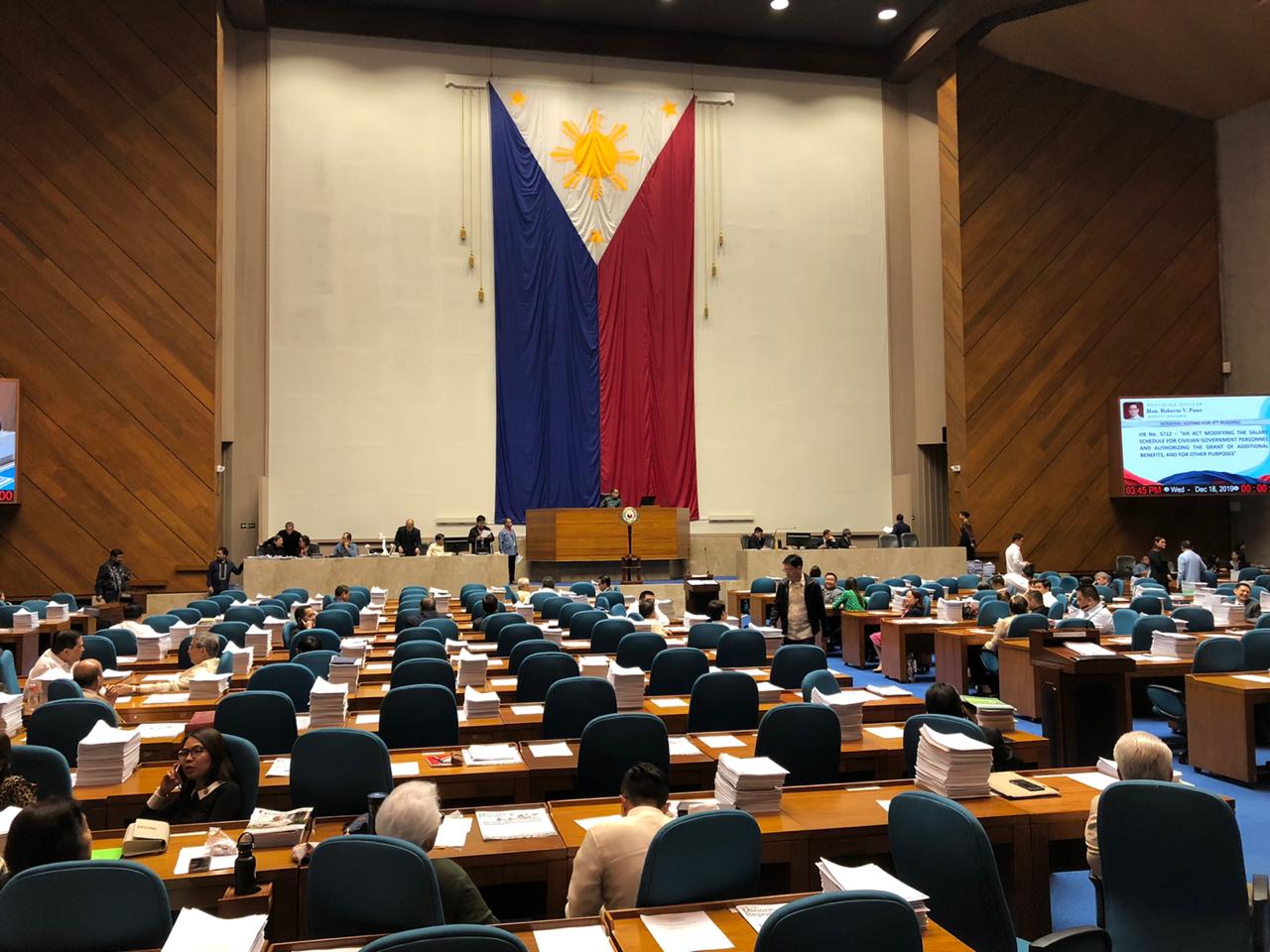
A year ago, the House of Representatives opened its doors to civil society organizations (CSOs), allowing governance watchdogs to ask questions and attend hearings as part of an effort to make the budget process more transparent.
It now appears the experiment may be short-lived.
As the House began deliberations on the proposed P7.2-trillion national budget for 2027, CSOs accredited to participate last year are finding themselves effectively shut out. The rules governing their participation remain unclear; their questions go unanswered, and the House budget panel has yet to call for a new round of accreditation.
“The House appropriations committee has gone cold on us,” said Tim Salomon of the Caucus of Development Non-Government Organizations Networks. CSOs are being “seen-zoned” when they request dialogue, he told the Inquirer last week.
What a curious way to demonstrate the chamber’s so-called commitment to transparency.
The House had pledged to sustain the reforms it introduced last year, including televising budget hearings. The committee chair, Nueva Ecija Rep. Mikaela Suansing, was still talking as recently as early August about “closer coordination” with CSOs.
Last full-year budget
But as public finance specialist Zy-za Nadine Suzara put it: “They are not walking their talk.”
Perhaps the more pertinent question is: Why stop now?
The 2027 spending plan is the last full-year budget of the Marcos administration before the 2028 elections. It will finance programs and projects as the administration seeks to shape its political legacy ahead of the next elections.
In this country, of course, electioneering does not wait for the official campaign period. It starts years ahead of Election Day. So if there were ever a time when public scrutiny of the national budget needed to be intensified, this would be it.
Instead, the House seems to be pulling down the blinds.
Budget watchdogs have already raised alarms over the record-high P58.32 billion proposed for the Local Government Support Fund, or LGSF, which has been described as “LGU pork.” Economist Cielo Magno warned that without clear rules, such discretionary funds could become instruments of political patronage. The LGSF has more than doubled since 2025, when it stood at P23 billion.
And then there are the other forms of pork: discretionary assistance programs, unprogrammed appropriations (UAs) and infrastructure projects vulnerable to political influence. These are precisely the areas where independent eyes are needed.
Hardly foolproof
Let us note at this point that even with watchdogs on hand, the budgetary safeguards in last year’s deliberations were hardly foolproof.
The CSOs had urged President Marcos to veto more than P633 billion in “hard, soft and shadow pork” in the 2026 budget. They identified P243 billion in UAs, P210 billion in soft pork and P180 billion in infrastructure projects as particularly vulnerable to corruption and political patronage.
The President did veto seven UAs totaling P92.5 billion, trimming the UAs to P150.9 billion. These funds, he declared, should not be treated as a “backdoor for discretionary spending.”
But the watchdogs were not satisfied–and for good reason.
They pointed out that the President left untouched other backdoors for corruption, including large social assistance and employment programs whose budgets had more than doubled from the Palace’s original proposal.
In other words, the presence of watchdogs did not magically make the budget clean. It only gave them a front-row view of questionable items and the chance to call them out.

If the executive could reject recommendations made by CSOs as participants in the process, how will they make themselves heard when they are not even allowed into the room?
Bicameral conference
The House should therefore explain, clearly and publicly, why a mechanism it introduced with such fanfare last year has effectively disappeared. If the rules have changed, it should say so. If accreditation will be reopened, it should do so.
On top of this critical issue, the public should be watching an equally crucial part of the process: the bicameral conference committee.
Last year, the public was given an unprecedented view of the final negotiations through a livestreamed bicam. Will that happen again? Or will the doors close just when the most consequential decisions are being made?
The answer will say much about whether last year’s transparency reforms were meant to become institutional safeguards or were just for show. The House has no business expecting public confidence while restricting public scrutiny. Not in an ordinary year, and certainly not with a general election approaching.
The national budget belongs to the Filipino people. The lawmakers who authorize it are its stewards rather than its owners. With an election-season spending bonanza looming, this is precisely when the public needs more eyes on the budget, not fewer.
Invite the watchdogs back to the table.
******
Get real-time news updates: inqnews.net/inqviber