







A different pace of living


I have lived all my life in highly urbanized communities.
Like most Metro Manila residents, I have become accustomed to traffic, crowded streets, limited open spaces, and making the most of whatever room is available.
Urban living offers many conveniences, access to opportunities, and a certain energy that comes from being close to everything.
Yet whenever I spend time in suburban communities, I find myself imagining a different way of living.
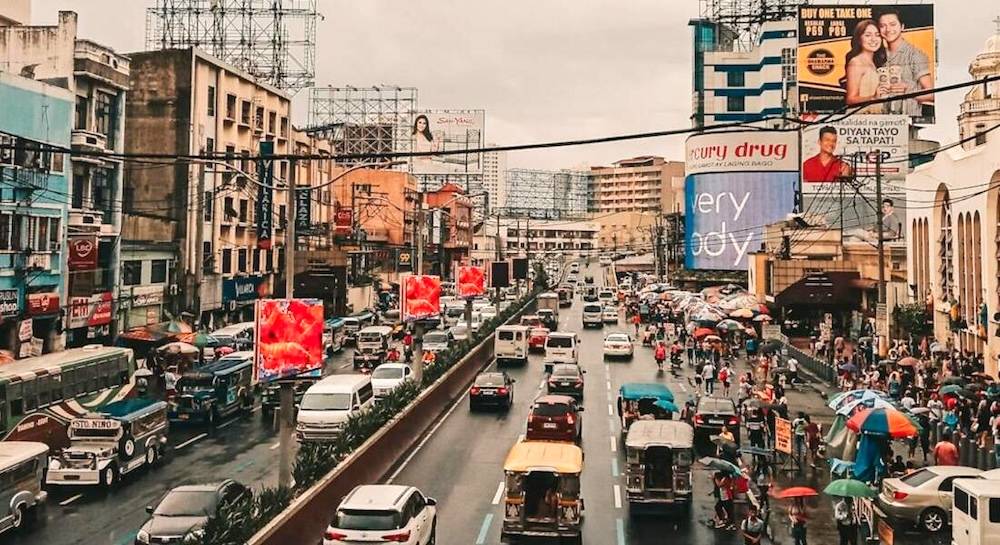
Time slows down
One thing I have noticed over the years is that the clock seems to move more slowly there—not because people accomplish less. In fact, it often feels like they accomplish more.
There are simply fewer interruptions competing for attention. There is less traffic outside the window, less honking, and fewer distractions that constantly demand our time. The pace feels different.
Perhaps that is part of the appeal. Whenever I visit suburban neighborhoods, I find myself thinking about all the things I would like to do if I had a little more room.
I enjoy working with my hands. I like crafts, artwork, and learning practical skills. Yet, like many people who live in urban areas, I do not have the luxury of dedicating space to these activities.
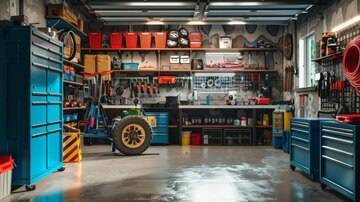
A garage in a suburban home can become much more than a place to park a car. It can be a workshop, a creative space, or a place where hobbies that have long been postponed finally become possible.
Outdoor space
The same can be said about outdoor space.
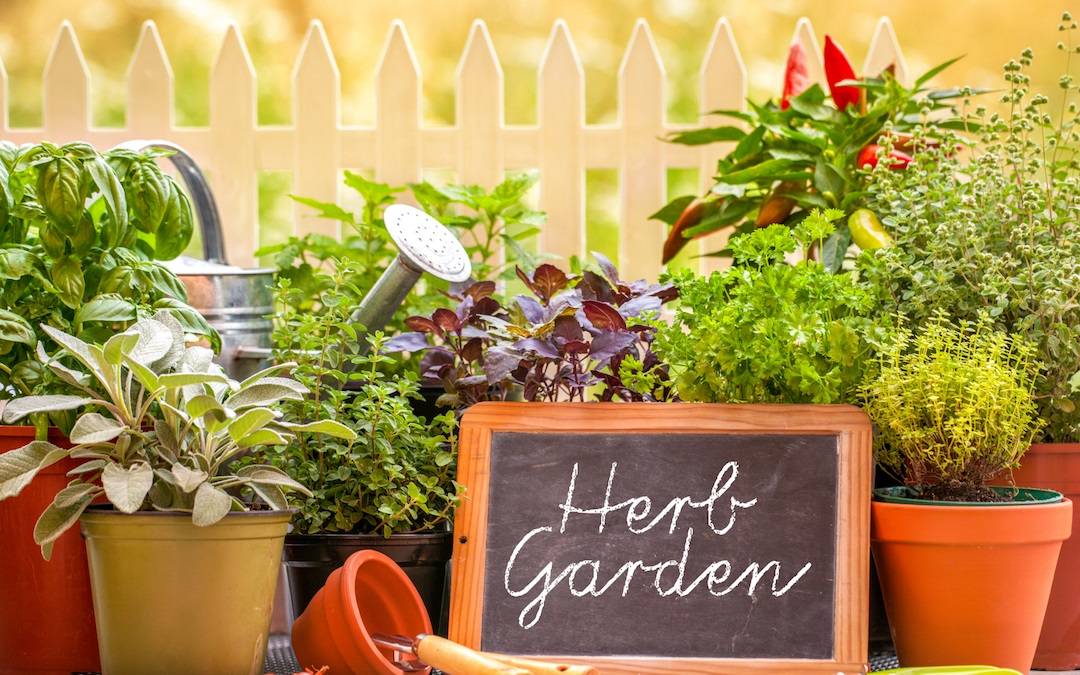
I have always liked the idea of growing food at home. Not because it would replace a grocery store, but because there is satisfaction in harvesting something that you planted yourself.
A few herbs, vegetables, or fruit-bearing trees can teach lessons about patience, responsibility, and the value of food. You also gain confidence from knowing exactly how it was grown.
Along the way, these gardens attract birds, butterflies, bees, and other pollinators. What begins as a hobby can contribute to local biodiversity and make a neighborhood greener and healthier.
Sunlight exposure
Sunlight is another benefit that is easy to overlook.
Many suburban homes have larger open areas and fewer obstructions, which create opportunities not only for gardening but also for harvesting renewable energy.
Solar panels become more practical when roofs receive better sunlight exposure. Natural light also reduces the need for artificial lighting and creates more pleasant living spaces.
Quality of life
Perhaps the greatest benefit is not the property itself but the lifestyle that comes with it.

Walking, cycling, outdoor gatherings, and simple activities become easier when communities have open spaces and safer streets. Children have more opportunities to play outdoors. Adults have more opportunities to disconnect from work, exercise, and spend time with family.
Suburban communities foster stronger connections with neighbors. People meet while walking, gardening, or spending time outdoors. Small interactions help create a sense of belonging that many families value.
Changing distinctions
The traditional distinction between city and suburb is also changing. Many major schools, healthcare facilities, offices, and commercial establishments now operate outside traditional business districts.
As opportunities spread across metropolitan regions, families can often enjoy the benefits of suburban living without giving up access to education, employment, and essential services.
Suburban living, of course, is not for everyone. Every community has its own advantages and challenges. But whenever I spend time in these places, I am reminded that a home is more than a structure or an investment.
It is also about the life that happens around it.
For me, the appeal of suburban living is not simply larger lots, wider roads, or bigger houses. It is the possibility of having room for hobbies, learning, nature, and family—and perhaps, just perhaps, a clock that feels a little slower.
The author is a LEED Fellow, ASEAN Architect, UAP Fellow, and educator with over 25 years of professional practice in architecture and sustainability


