
Bay Area’s resurgence: Calculated reset, not coincidence


As the Philippines positions itself as a regional hub for medical and wellness tourism, ready-for-occupancy (RFO) condominium units in the Bay Area are emerging as viable housing options for retirees.
Colliers Philippines believes the convergence of discounted residential supply and growing healthcare-driven demand creates a unique retirement value proposition.
For local retirees, particularly those from Metro Manila or nearby provinces, the Bay Area offers urban convenience without the traditional price premium. Available RFO units also eliminate construction risk, allowing retirees to move immediately into serviced, amenity-rich environments.
Lifestyle communities
Many developments are also being repositioned as mixed-use, lifestyle-oriented communities, which are an ideal fit for aging populations that prioritize accessibility, security and leisure.
In our view, the availability of mid-priced condominium projects in the Bay Area also opens opportunities for repositioning. Developers facing elevated vacancy are increasingly offering flexible payment terms and rental guarantees aimed at retirees and staycationers. This shifting market dynamic allows affluent and investment-savvy retirees to enter strategically and secure long-term value.
For investors targeting the retiree market, this presents opportunities to acquire assets at relatively attractive entry points and reposition them as retirement-friendly or healthcare-linked residences.
Improving connectivity
Infrastructure and connectivity further strengthen the case.
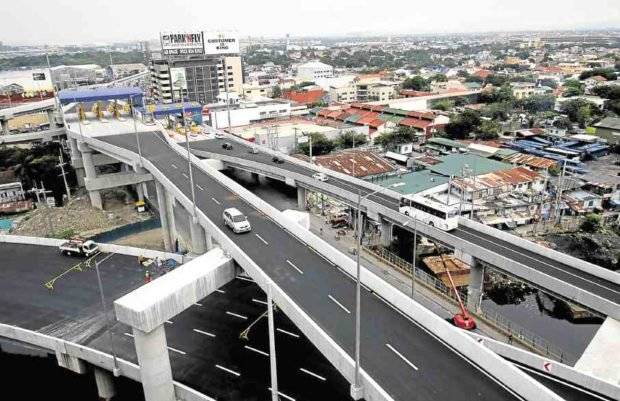
With improving transport links and close access to the Ninoy Aquino International Airport (NAIA), the Bay Area remains one of Metro Manila’s most globally connected submarkets–an important advantage for retirees who need convenient access to medical care, family visits and international travel.
Several transport projects completed in recent years have made the district highly accessible. The 11.6-km NAIA Expressway, for instance, connects Skyway to NAIA Terminals 1, 2 and 3, Macapagal Boulevard and Manila-Cavite Expressway (Cavitex), while Roxas Boulevard links the area to downtown Manila. The Bay Area is also expected to benefit from the LRT-1 Cavite Extension and Metro Manila Subway.
Together, these projects should raise the Bay Area’s appeal as an alternative residential option for investors, end-users and retirees.

Long-term investment
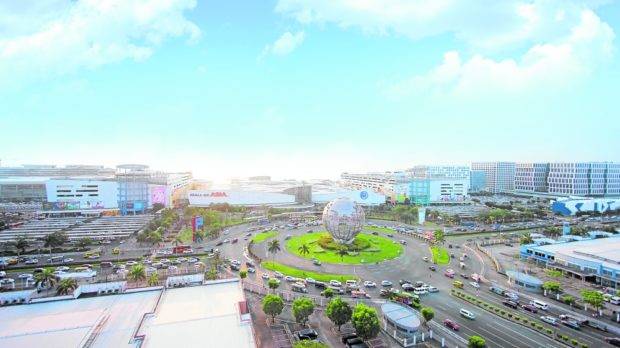
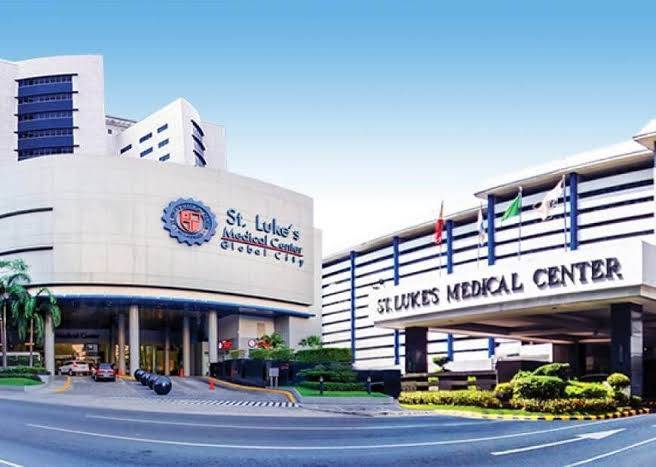
Long-term prospects are further strengthened by the eventual completion of St. Luke’s Aseana. The live-work-play-shop lifestyle is meanwhile supported by major retail centers and big-box retailers in the area. The planned university in the Bay Area further enhances its viability as a 15-minute masterplanned community.
In our view, the Bay Area’s second wind is not just about recovery–it’s about reinvention. Local and foreign retirees are emerging as a potent market, and the Bay Area is well-positioned to capture this demand with its retail complexes, accommodation facilities, and proximity to hospitals, schools and other key institutions.
The Bay Area’s recalibration should be anchored on these promising demand drivers.
The Bay Area’s recovery is not accidental—it is structural. As discounted condominium supply meets retiree-driven demand, investors and developers that position early and price strategically will be best placed to capture its next wave of value.