






Clark takes flight: Build it right, Return in sight


Pampanga is no longer just a spillover market. It is fast becoming a primary growth engine, powered by massive infrastructure investments and a rapidly evolving property landscape.
The province’s transformation is anchored on connectivity projects that improve accessibility, attract foreign and domestic capital, and accelerate decentralization.
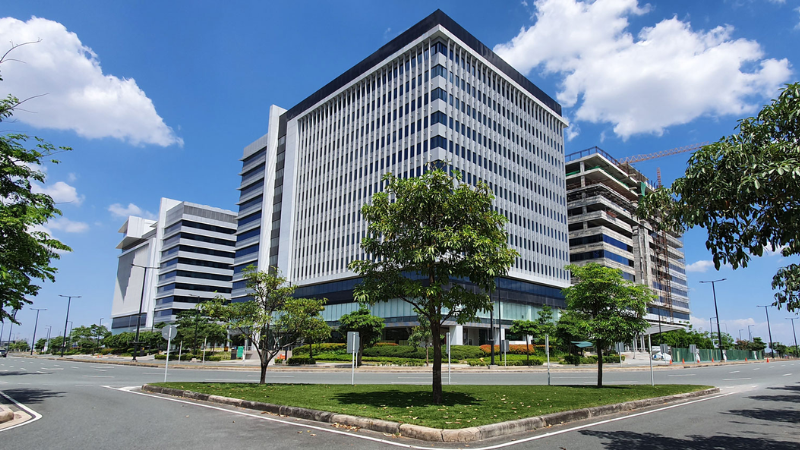
Within Pampanga, Clark stands out as a competitive submarket. Once a United States military facility, Clark Freeport has since evolved into a pioneering hub for call center services outside Metro Manila. It also hosts large multinational manufacturing companies and major integrated resorts–developments that collectively strengthen Clark’s position as a promising investment hub north of the capital.
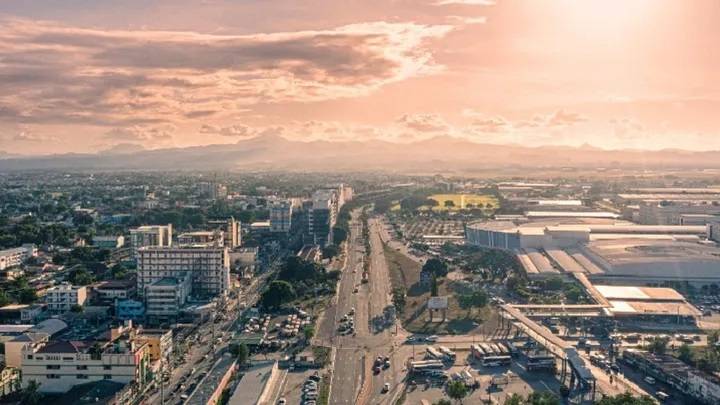
Infra connectivity fuels property viability
Key infrastructure projects are reshaping Pampanga’s economic geography, with rail connectivity expected to play a major role in drawing more tourists, businesses and investment.
According to the Department of Transportation, the Clark segment of the North-South Commuter Railway is due for completion in 2028.
These gains are already translating into stronger office demand. Clark, in particular, continues to cement its position as a preferred business process outsourcing (BPO) hub outside Metro Manila, attracting both traditional occupiers and outsourcing giants.
Major players have established substantial footprints in the area, reflecting growing confidence in its young workforce, competitive costs and improving accessibility.
Tourism spurring Clark’s growth
Colliers Philippines has observed that tourism recovery remains uneven.
The Philippines recorded 5.87 million foreign arrivals in 2025, slightly below the 5.95 million in 2024 and still short of pre-pandemic levels.
South Korea remained the largest source market with 1.25 million arrivals, or a 21.3 percent share, although this reflected a 20.5 percent decline. The US, meanwhile, grew 4.6 percent to 1.13 million arrivals.
Despite subdued international arrivals, domestic tourism continues to provide a strong buffer. Overnight travelers hit 63.9 million in 2024 from 55.3 million in 2023, while tourism’s contribution to gross domestic product (GDP) rebounded to 8.9 percent, supported by a 16.4 percent rise in domestic tourism expenditure.
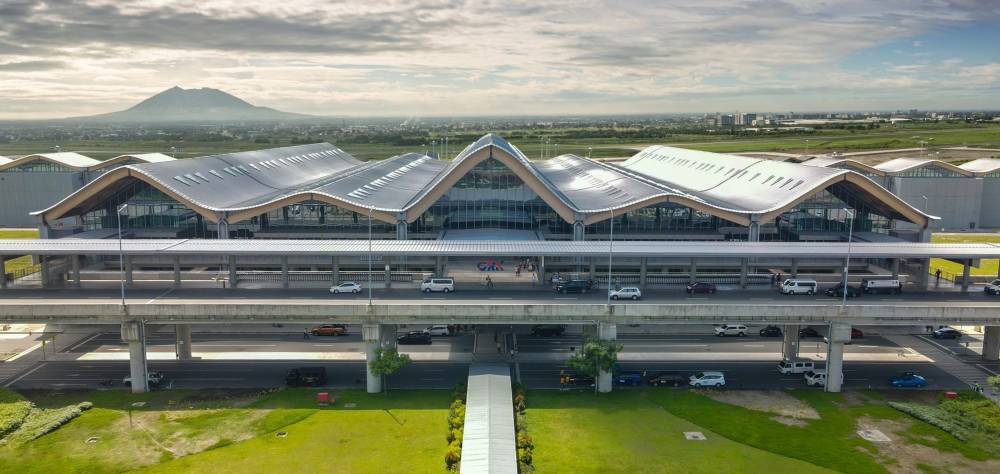
The recently modernized Clark Airport is greatly contributing to the surge in arrivals in the freeport zone. Operational since 2021, the modernized Clark International Airport has a capacity of 8 million passengers annually.
Hotel performance reflects this recovery trajectory. Occupancies in Clark surged from 20 to 30 percent during the pandemic to 70 to 85 percent in 2025, outperforming many regional markets.
Developers are responding aggressively, with new hotel supply pipelines expanding across key destinations.
Pampanga and nearby provinces are set to capture 23 percent of new hotel supply. From 2026 to 2028, about 1,300 new hotel rooms are likely to be completed in Clark, reinforcing its position as a hospitality and meetings, incentives, conferences, and exhibitions (MICE) hub.

The Department of Tourism is positioning Clark as a premier MICE destination–a role it is well placed to maximize given the profile of the businesses operating in the economic zone.
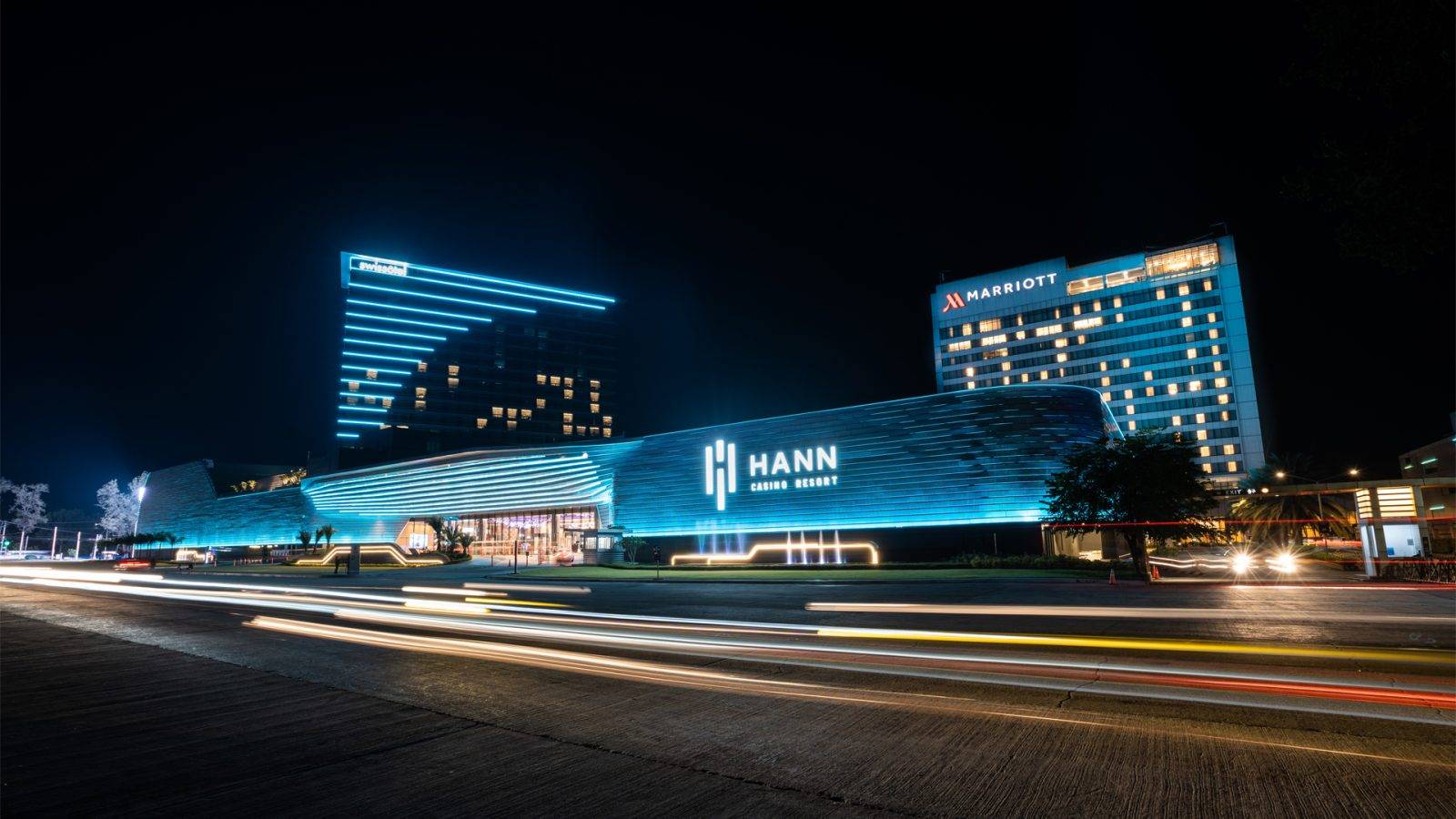
The MICE segment could be a major growth driver. From 2026 onward, the Philippines is expected to add about 510,000 sqm of exhibition space, with Metro Manila accounting for 56 percent, or 287,000 sqm, followed by Central Luzon with 29 percent, or 150,000 sqm.
Clark’s convention infrastructure further strengthens its competitiveness as a regional business events destination, supported by Central Luzon’s ability to attract big-ticket foreign investments.
Evolving residential demand
Residential demand is also evolving, particularly in integrated townships and leisure-oriented developments.
Condominium projects in Clark are seeing strong demand, with developments recording take-up rates of 78 percent to 100 percent, with prices averaging P5.6 million to P21.9 million, reflecting sustained investor confidence.
Lifestyle-driven concepts such as golf communities, branded residences, and “bleisure” environments that combine business and leisure are also gaining traction, offering both end-user appeal and investment upside.
As a Kapampangan property observer, Clark’s value proposition is clear: improving infrastructure access, a young and competitive workforce, relatively lower cost of living, and premium lifestyle offerings are converging to position the economic zone as a next wave property powerhouse.