







From CBD to periphery, investors now enjoy condo viability


Metro Manila’s condominium market entered 2026 firmly tilted in favor of buyers, offering opportunities for end-users seeking ready-for-occupancy (RFO) units.
With nearly 28,000 unsold units concentrated near key business hubs, developers are under pressure to move inventory, translating into more flexible payment terms and competitive pricing.
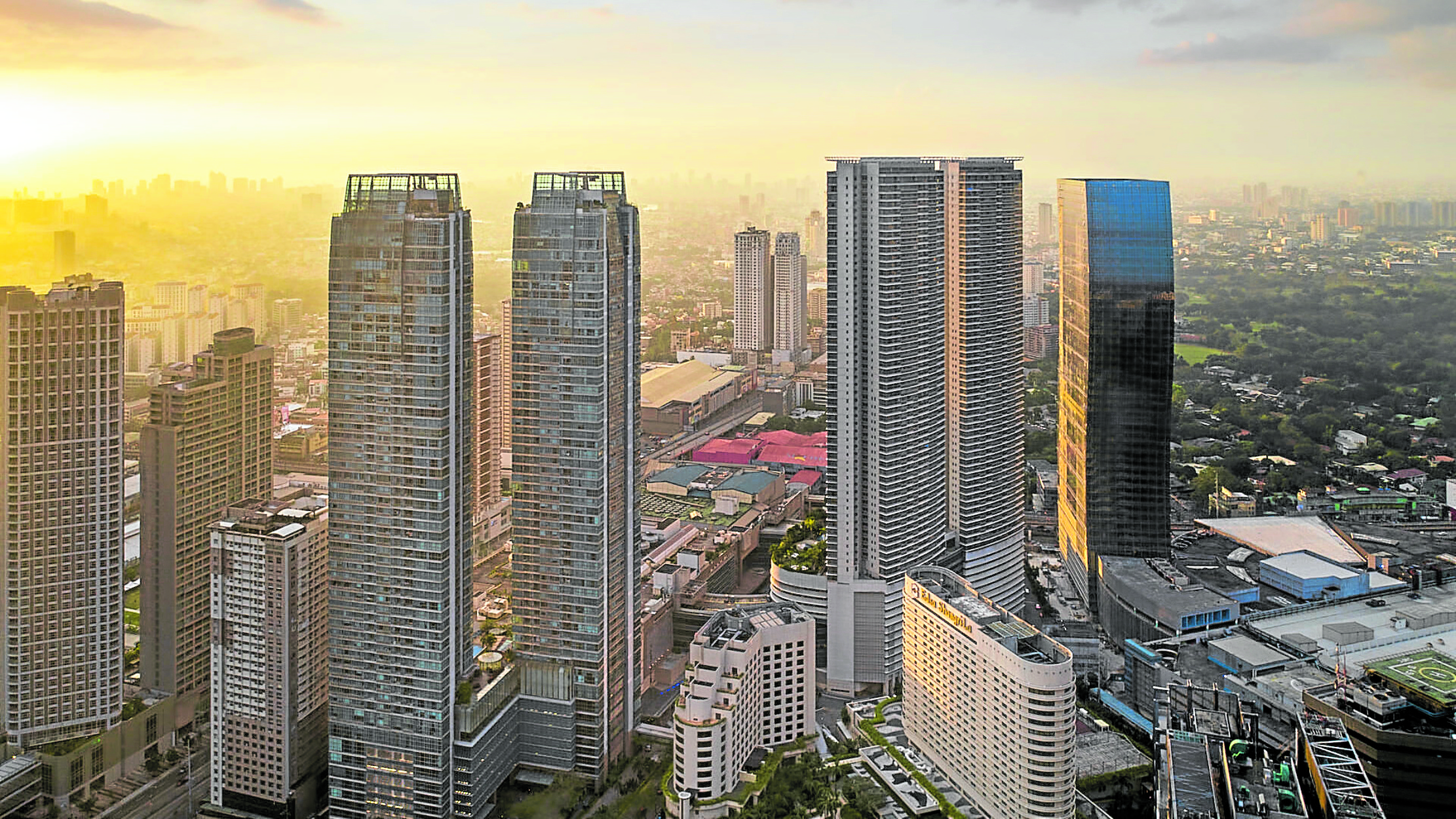
At the same time, limited land availability in prime central business districts (CBDs) is pushing development toward high growth peripheral areas, where infrastructure expansion and masterplanned communities are reshaping residential demand.
Colliers believes that the Metro Manila condominium segment will likely remain a buyers’ market for 2026. For residential end-users looking at acquiring RFO units, now is a very good time to buy given the availability of nearly 28,000 units of unsold inventory strategically situated near major business hubs.
Opportunities in the peripheries
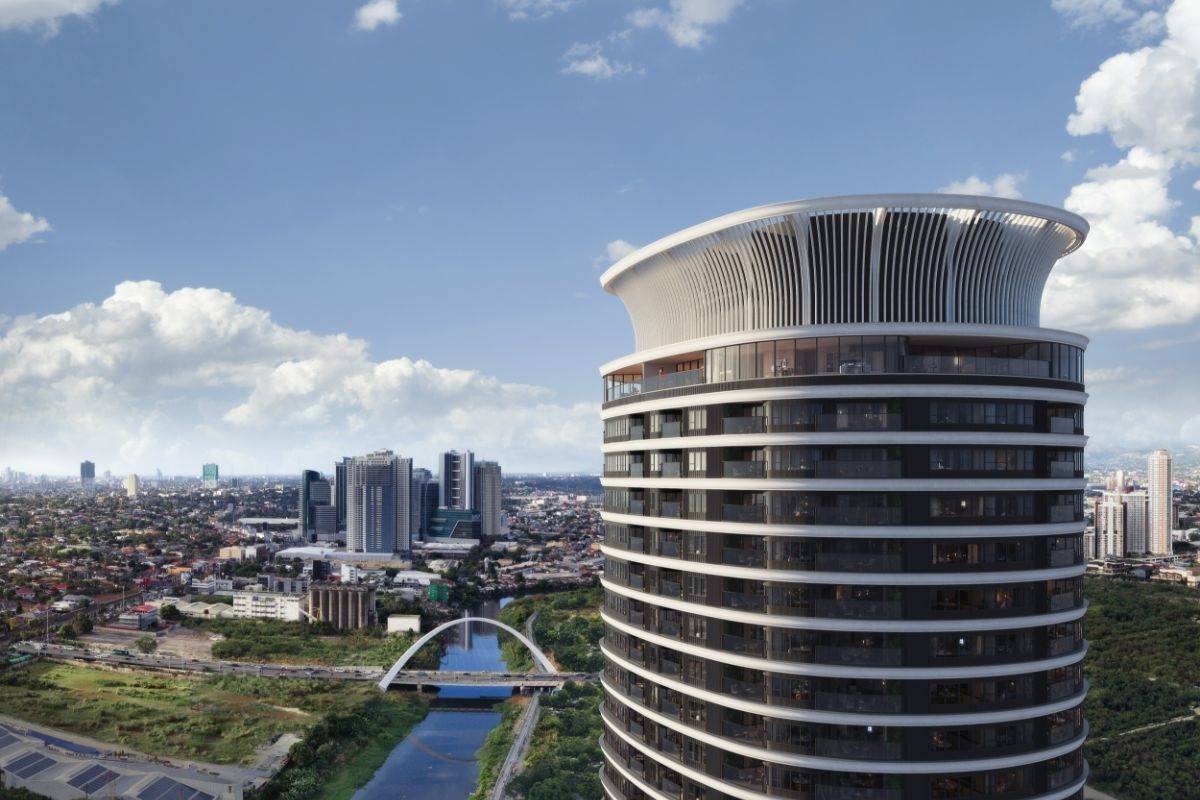
Results of our Q4 2025 Residential Survey showed that respondents were eyeing areas like Pasig City, Alabang-Las Piñas, Quezon City, Bay Area, Cubao-New Manila, and Manila for their next residential investment.
Colliers encourages buyers to be on the lookout for projects located in these areas as these submarkets accounted for more than half of the total unsold RFO inventory in Metro Manila as of end Q1 2026. In our view, developers with unsold projects in these areas are likely to offer more attractive payment terms and heftier discounts.
To capture demand, we encourage developers to highlight the overall viability of the living experience in their projects. Developers should highlight their projects’ quality of life, landscape features, retail options, and accessibility.
Redevelopment in eastern Metro Manila
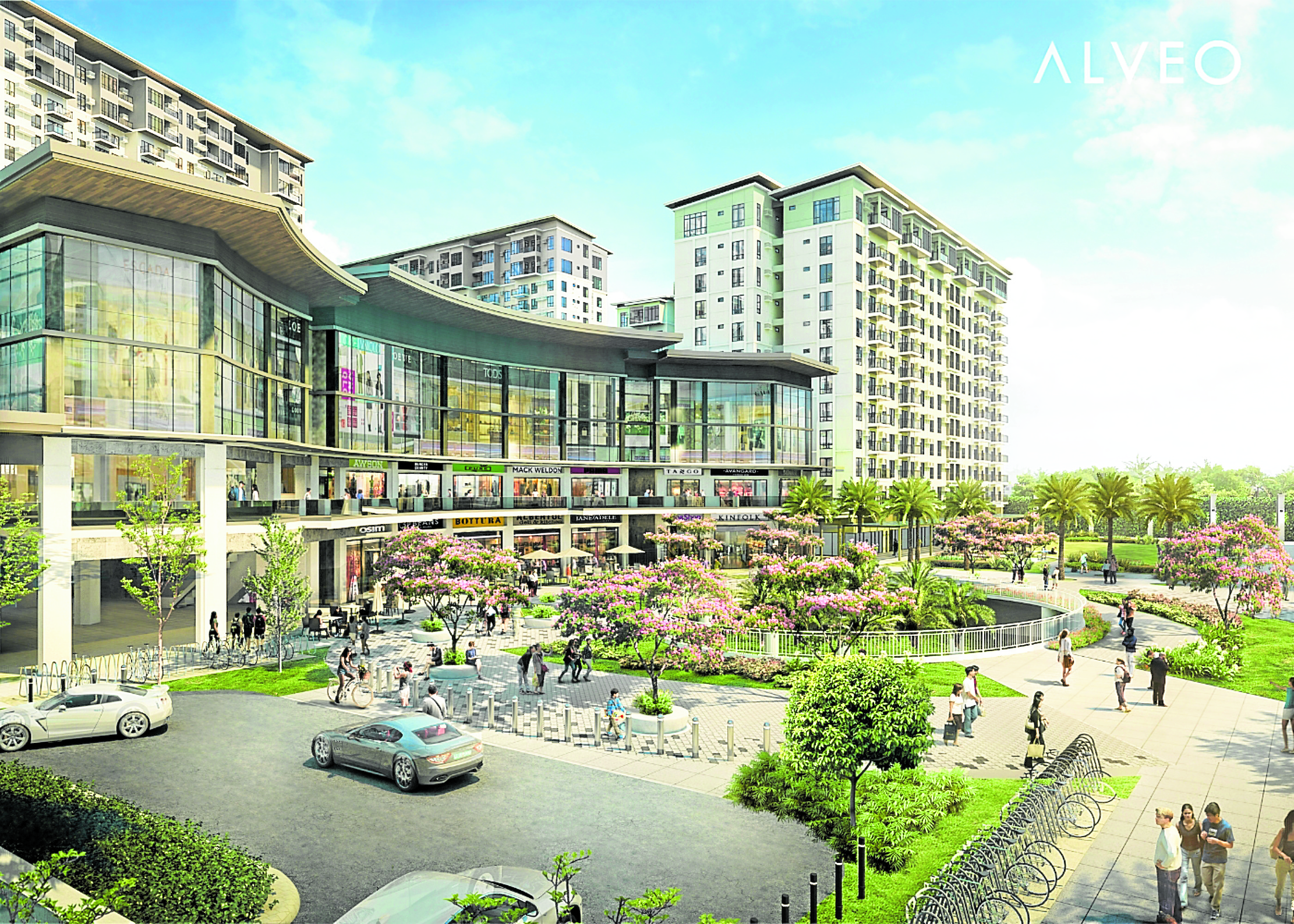
Over the past few years, the rising demand for integrated developments and the soaring land values in CBDs provided the right opportunity for industrial property owners to liquidate their landholdings in these prime locations, and for developers to transform idle properties in the outskirts of business hubs into masterplanned communities.
Some examples include the mixed-use projects along C5 Road.
In our opinion, a strategic location can unlock the potential of former industrial properties for more profitable uses, including integrated communities that augment the existing office and residential developments in the East.

This area—which includes Ortigas Center, C5 corridor, and other fringe areas in Pasig City—remains an attractive location for end-users and investors, especially because of infrastructure projects lined up by the government.
Infrastructure to lift demand
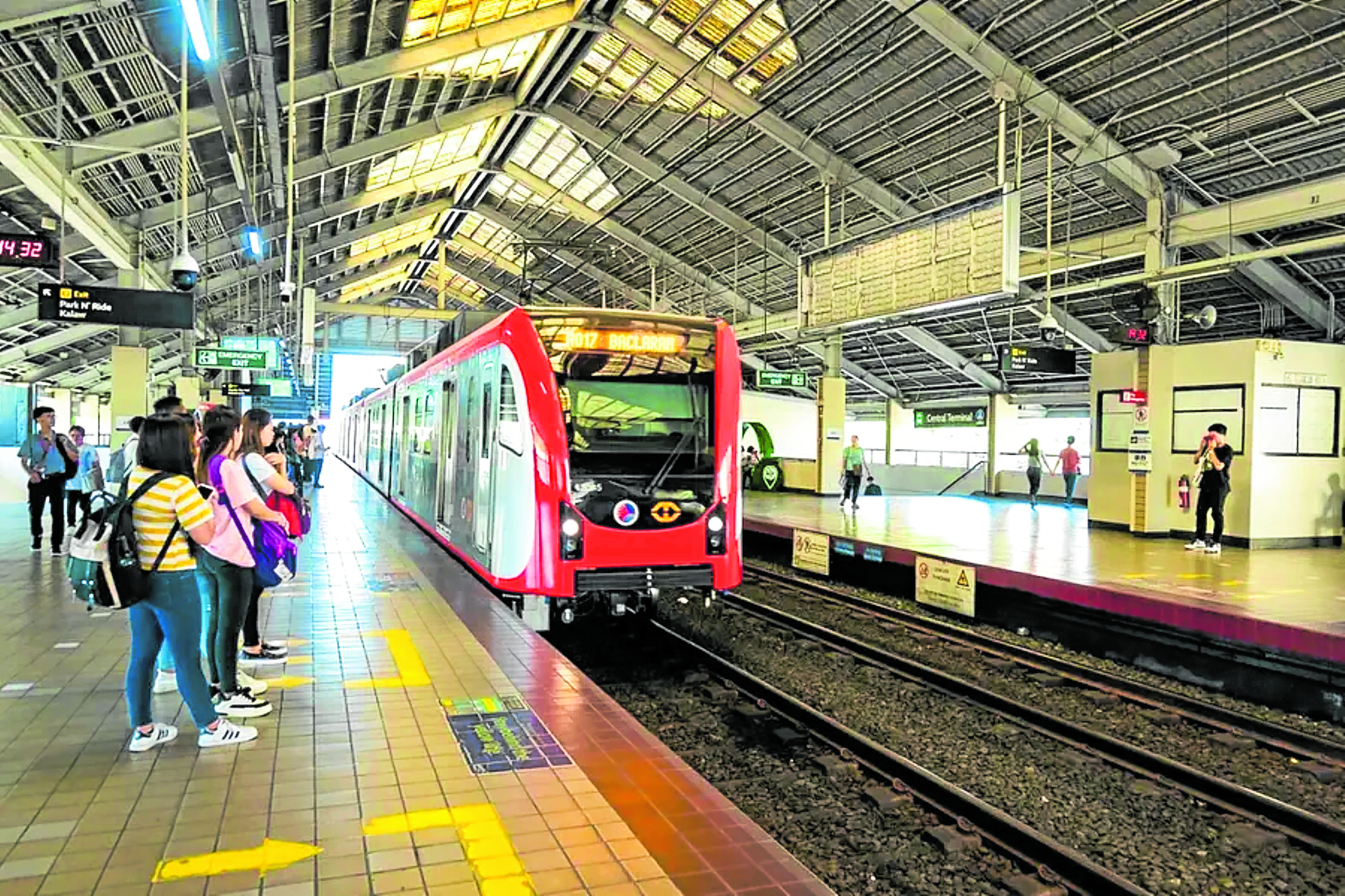
Colliers Philippines believes that Pasig’s attractiveness as a business hub is likely to be stoked further by the completion of crucial infrastructure projects that will connect it with other districts across Metro Manila.
Pasig City, in particular, is a major beneficiary of the government’s infrastructure implementation across the country.
The LRT-2 East Extension extended the existing LRT-2 system from Santolan in Pasig City to Masinag, Antipolo. This is an important project especially for businesses trying to capture the skilled manpower from the eastern part of Metro Manila. An upcoming infrastructure project that will likely benefit Pasig is the MRT-4, which will connect the city to other parts of the metro and Rizal province.
In our view, these public projects are likely to raise land and property prices. We see Pasig benefiting from the current administration’s thrust of building more infrastructure projects and promise of easing commuters’ traffic concerns.