










Why horizontal living still has room to grow


Despite the growing preference for high-rise living, horizontal communities continue to attract families seeking comfort, privacy, and a stronger sense of connection.
With their open spaces, adaptable homes, and neighborhood-oriented environments, these developments remain a practical and appealing choice for modern living.
Greater privacy
One of the biggest benefits of horizontal housing developments is the greater privacy they provide.
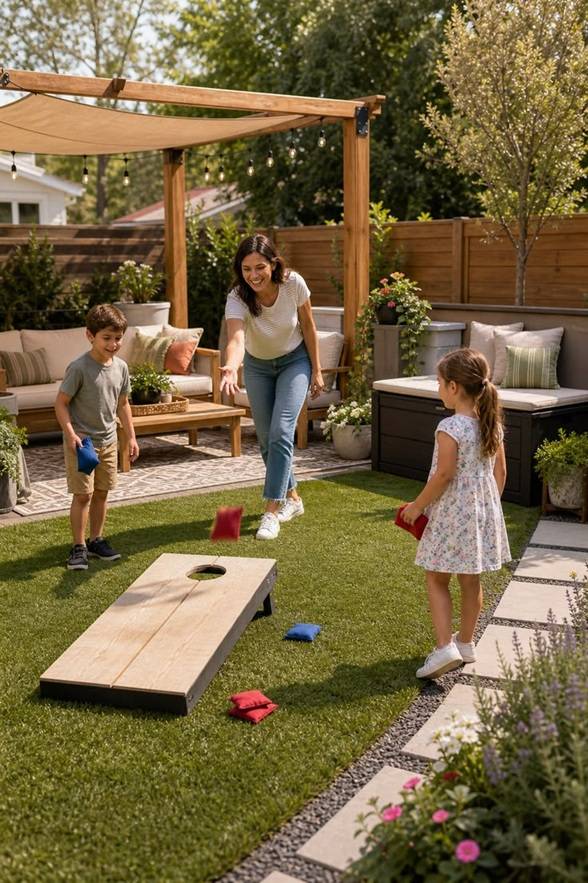
With more distance from neighbors and less noise from adjacent units or common areas, landed homes create a more personal living environment. Families can enjoy their own gardens, garages, patios, and outdoor spaces.
Manageable customization
Another advantage is the ease of renovation and customization.
As families grow and lifestyles evolve, homeowners often need spaces that can adapt to changing needs. Horizontal homes make this process more manageable because owners have greater freedom to modify layouts, expand rooms, build extensions, or redesign outdoor areas.
Ideal for extended families
Horizontal communities are also more inclusive for all generations.
With extended families common among Filipinos, landed homes can comfortably accommodate grandparents, parents, and children under one roof. Outdoor spaces additionally encourage play, gardening, and family gatherings that strengthen relationships among household members.
Direct access to nature
Beyond functionality, having direct access to better indoor air circulation, greenery, and natural surroundings can positively affect mental health and emotional stability.
Take for example Rockwell South at Carmelray. This development in Laguna offers more than 3 ha of space dedicated to pocket parks, jogging paths, and a treehouse park. These environments encourage healthier routines, more outdoor activities, and stronger connections with nature.

Community engagement
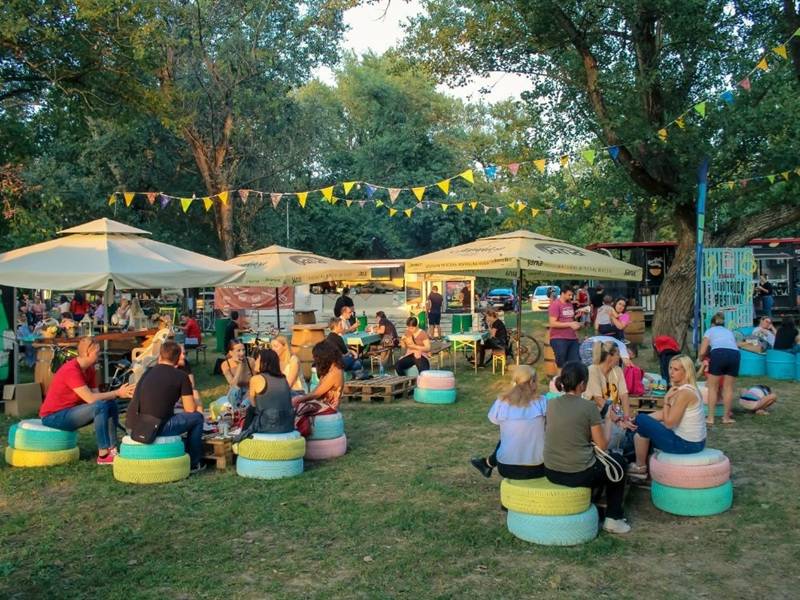
Finally, horizontal developments foster greater community interaction. Streets, parks, clubhouses, and shared outdoor spaces naturally encourage neighbors to engage with one another.
Children can play outdoors while parents build friendships and participate in community activities. This stronger social interaction helps cultivate trust, familiarity, and a sense of belonging among residents.
In an age where digital connections often replace personal relationships, these communities provide meaningful human interaction and neighborhood culture.
The author has more than 20 years of expertise in designing interiors for homes, offices and retail spaces. Experience his designs by contacting him at +639178860983


