



Gabon fashion designer brings raffia to Paris runways

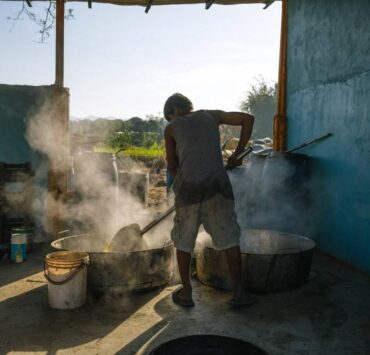
Strands of raffia dry outside in the sun at the studio of Gabonese fashion designer Chouchou Lazare, who has made a name for himself using the natural fibers to craft his award-winning garments. The natural material derived from palm leaves—and traditionally reserved for Gabon’s nobles and village chiefs—gained international attention on the runways of the world’s fashion capital last week.
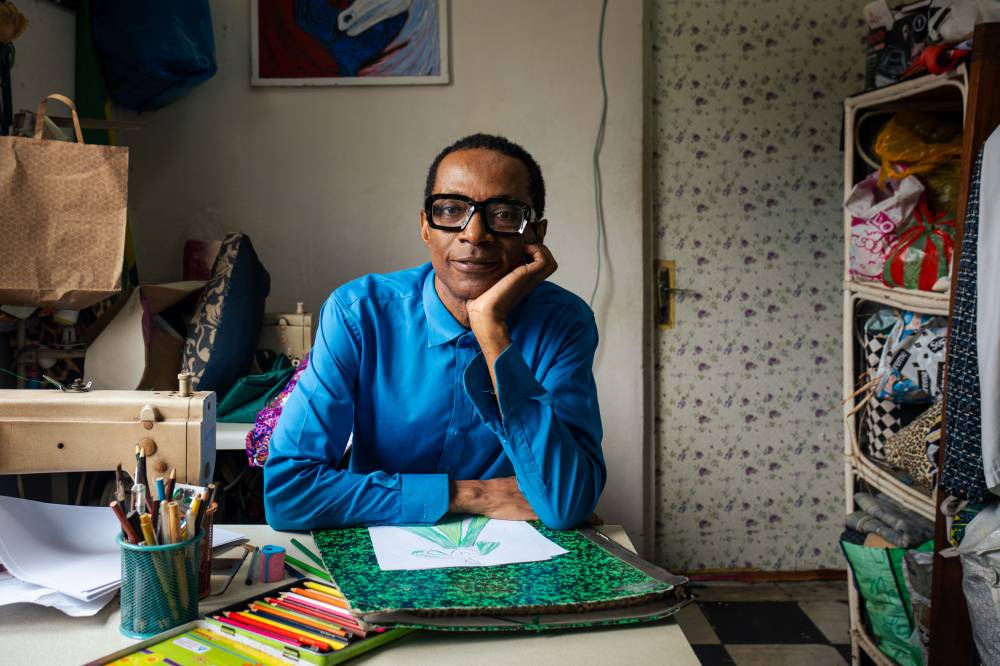
“This is raffia from Gabon, it’s special, it’s woven very finely, it’s a textile that deserves to be shown,” the self-taught designer tells AFP at his workshop in the capital, Libreville.
Whether braided, sewn, or glued to bustiers or skirts, nearly all of Lazare’s dresses incorporate raffia.
A self-taught designer
Lazare was only nine years old when he began helping out his mother with her sewing to make ends meet. He went on to organize his first fashion show in high school and has never received formal training in fashion.
Now in his 50s—he chooses to keep his exact age under wraps—Lazare says he learnt his craft by designing dresses for the two most important women in his life: his mother and grandmother. “She was very tall; to me, she was like a queen,” he says of his mother.
And in readying his latest collection for the show in Paris on Feb. 28, she remained his inspiration. “When I prepare my shows, I want to see queens, women who fully own who they are,” he says.
Although the signature material is used throughout his collection, the natural fibers are never dyed. In the central African country, raffia has special significance. “It’s a traditional fabric that is part of the spirituality of our country, that speaks to the ancestors,” the designer says.
Like “diamonds”
Nowadays no longer just for nobility, raffia features at Gabonese traditional weddings and Indigenous bwiti spiritual ceremonies. “Raffia represents a natural resource to be preserved, contributing to the influence of Gabonese and African cultural heritage,” the Ministry of Sustainable Tourism and Crafts said on social media earlier in the year.
But that does not mean it should only be worn by Gabonese or African people, Lazare says. “It’s for everyone,” he stresses, while checking whether a bunch of the fibers laid out on his balcony were dry.

In 2002, Lazare won first prize for fashion at the Saint-Etienne International Design Biennial in France. More than two decades later, he presented his creations to French President Emmanuel Macron during a state visit to Gabon in November. In fact, a photograph of Lazare with Macron and Gabon’s President Brice Oligui Nguema now proudly hangs in his workshop, a reminder of “a great moment,” he says.
While raffia may seem a familiar textile to people in Gabon, Lazare says that upon seeing the president’s reactions to his creations, “I felt like they were diamonds.”
Glittering in his “diamonds”—a raffia-decorated hat and tunic with a gold suit jacket—Lazare picked up an achievement award in Paris at last week’s Fashion Annual Show, which for more than 25 years has been honoring African designers.
As the president of the Association of Gabonese Stylists and Creators, he is also paving the way for other designers through teaching and mentorship. Lazare says that he hoped to see raffia recognized “as a treasure for Gabon.”