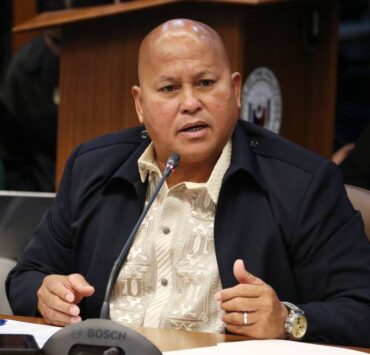







What went before: Senators who backed PH entry into ICC

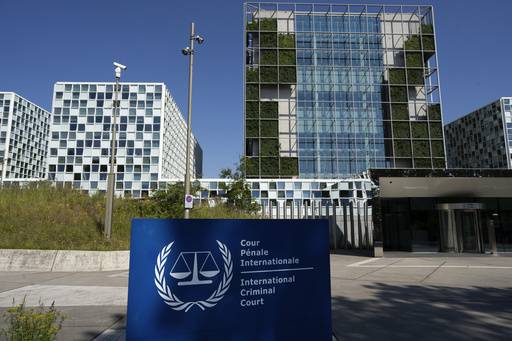
On Aug. 23, 2011, the Philippine Senate put into vote a resolution to ratify the Rome Statute of the International Criminal Court (ICC), the world’s first permanent tribunal for war crimes.
The vote formally made the country a member of the ICC.
Seventeen senators voted in favor of the resolution: Edgardo Angara, Alan Peter Cayetano, Pia Cayetano, Miriam Defensor Santiago, Jose “Jinggoy” Estrada, Francis “Chiz” Escudero, Teofisto Guingona III, Gregorio Honasan II, Panfilo “Ping” Lacson, Ferdinand “Bongbong” Marcos Jr., Sergio Osmeña III, Francis “Kiko” Pangilinan, Aquilino “Koko” Pimentel III, Ramon “Bong” Revilla Jr., Vicente “Tito” Sotto III, Antonio Trillanes IV and Manny Villar.
Seven of the 17 senators who voted for ratification in the 15th Congress are now also senators in the 20th Congress: Sotto, Estrada, Escudero, Pangilinan, Lacson and the Cayetanos.
Last Monday, Escudero, Estrada and Pia Cayetano voted to oust Sotto from the Senate presidency, just as the National Bureau of Investigation was to serve a warrant of arrest issued by the ICC against their colleague, Sen. Ronald dela Rosa.
Sen. Loren Legarda also voted for Alan Peter Cayetano, despite an earlier term-sharing agreement with Sotto that was floated in February.
It was Legarda who co-sponsored the ICC resolution in 2011 but was not in the actual voting, based on Senate records.
Only then Senate President Juan Ponce-Enrile dissented during that voting. There was no abstention.
Enrile said his vote did not mean he had no faith in the ICC’s administration of justice, but that the statute could be detrimental to the country’s security.
The ICC was the first permanent international court set up to prosecute individuals for genocide, crimes against humanity, war crimes and the crime of aggression.
‘Landmark moment’
On Aug. 31, 2011, Legarda, then Senate foreign relations committee chair, personally deposited the Philippines’ instrument of the Rome Statute ratification at the United Nations Headquarters in New York.

UN and ICC press releases on the same day showed Legarda and Libran N. Cabactulan, the country’s Permanent Representative to the United Nations, turning over the documents to UN officials.
Legarda said that it was “a landmark moment for Asian participation in the Rome Statute of the ICC,” since Asia was often characterized as the most underrepresented region in the ICC system.
The statute entered into force for the Philippines on Nov. 1, 2011.
On March 17, 2018, the Republic of the Philippines deposited a written notification of withdrawal from the Rome Statute, the court’s founding treaty, with the UN Secretary General as the depositary of the statute. The Philippines’ withdrawal of the Rome Statute took effect one year later, on March 17, 2019.
Source: Inquirer Archives, asp.icc-cpi.int