



Bato fails to get TRO vs ICC arrest warrant

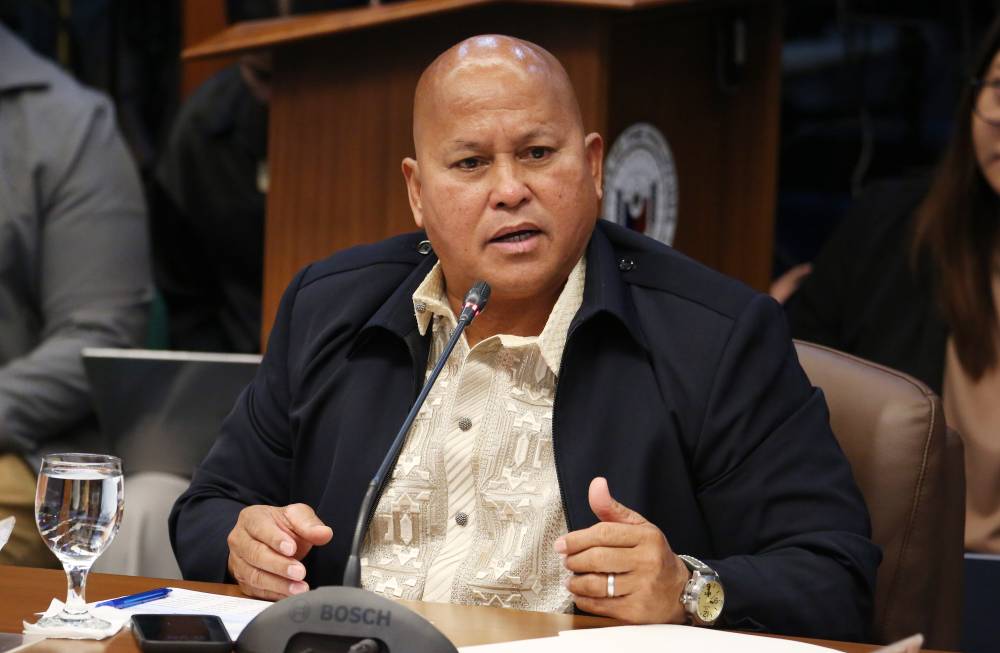
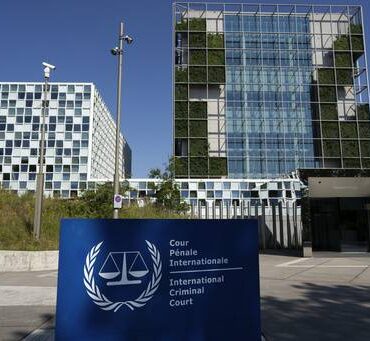
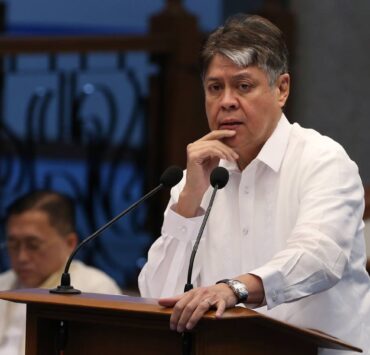
Sen. Ronald “Bato” dela Rosa on Wednesday failed to secure a last-minute temporary restraining order (TRO) from the Supreme Court to prevent his arrest on orders of the International Criminal Court, where he faces charges for crimes against humanity along with former President Rodrigo Duterte.
The Supreme Court instead ordered respondent officials in the executive branch to comment on Dela Rosa’s petition to stop government attempts to arrest him and turn him over to ICC custody in the Netherlands, as was done to Duterte in March last year.
The respondents were given three days to comment on the urgent legal reliefs sought by the lawmaker.
“This is without prejudice to the court taking any interim or urgent measures as prayed for by Senator Dela Rosa, should it become necessary,” the court said in a three-page resolution.
The high tribunal’s spokesperson, Camille Ting, however, answered in the affirmative when asked whether the TRO may be issued later on.
“The resolution only requires the respondents to comment and for the petitioner to file a reply,” Ting told reporters.
Ordered to respond within a nonextendible period of 72 hours from the time of receipt were the executive secretary; the secretaries of the interior, foreign affairs, and justice departments; the chief of the PNP; the director of the NBI; the commissioner of the Bureau of Immigration; the chief of staff of the Armed Forces of the Philippines; and the director of the PNP Criminal and Investigation Detection Group.
The ruling was an indication that the Supreme Court did not grant the immediate reliefs sought by Dela Rosa on Monday, when NBI agents made an attempt to serve him an ICC arrest warrant as he surfaced at the Senate premises after six months of absence.
Urgent manifestation
Later that day, his lawyers led by Israelito Torreon filed a 26-page urgent manifestation with omnibus motion, and another 28-page extremely urgent supplemental manifestation with motion.
The two documents sought to supplement the lawmaker’s original petition for certiorari and inhibition that he filed together with Duterte on March 12 last year, or a day after the ex-president was arrested and flown to the Netherlands.
In the two manifestations, Dela Rosa asked the Supreme Court to issue a TRO, a writ of preliminary injunction, or a status quo ante order, to block any attempts by local law enforcement to arrest and detain him and turn him over to the ICC “without prior judicial authorization.”
The former PNP chief has since been holed up in the Senate building, invoking a so-called tradition at the chamber of providing “protective custody” to members facing arrest.
The ICC’s Pre-Trial Chamber (PTC) I issued the arrest warrant on Dela Rosa on Nov. 6 last year. The document confidential, as required by ICC rules, until Monday when the chamber decided to unseal it.

The unsealing of such ICC document will be triggered by various factors: when there’s a need to prevent the commission of crimes or interrupt a criminal conduct, or to widen opportunities for the successful arrest of the accused.
Necessary for appearance
In the 16-page arrest warrant, the PTC I stressed that the arrest of Dela Rosa was “necessary to ensure his appearance before the court” because he refused to recognize the ICC in his public remarks.
“He also appears to have issued threats to ICC investigators, and fueled disinformation campaigns in the Philippines,” the chamber said, adding that such actions pose risks to the safety of witnesses and victims.
The Supreme Court, in its earlier ruling on Pangilinan v. Cayetano in 2021, maintained that leaving the ICC fold “does not discharge a state party from the obligations it has incurred as a member.”
“A state party withdrawing from the Rome Statute must still comply with this provision. Even if it has deposited the instrument of withdrawal, it shall not be discharged from any criminal proceedings. Whatever process was already initiated before the International Criminal Court obliges the state party to cooperate,” the high court said in a unanimous ruling on March 16, 2021.
It added: “Until the withdrawal took effect on March 17, 2019, the Philippines was committed to meet its obligations under the Rome Statute. Any and all governmental acts up to March 17, 2019 may be taken cognizance of by the (ICC).”