



Cebu aims to live upward


Cebu City’s inner districts are running out of horizontal room. With a 2024 population of 965,332 and central barangays like Guadalupe, home to over 70,000 residents, the pressure on established urban land has shifted housing development firmly upward.
Vertical residential projects are filling corridors where single-family lots once stretched without urgency. The question worth raising is whether those towers are built for the people who need them most.
A corridor built on access
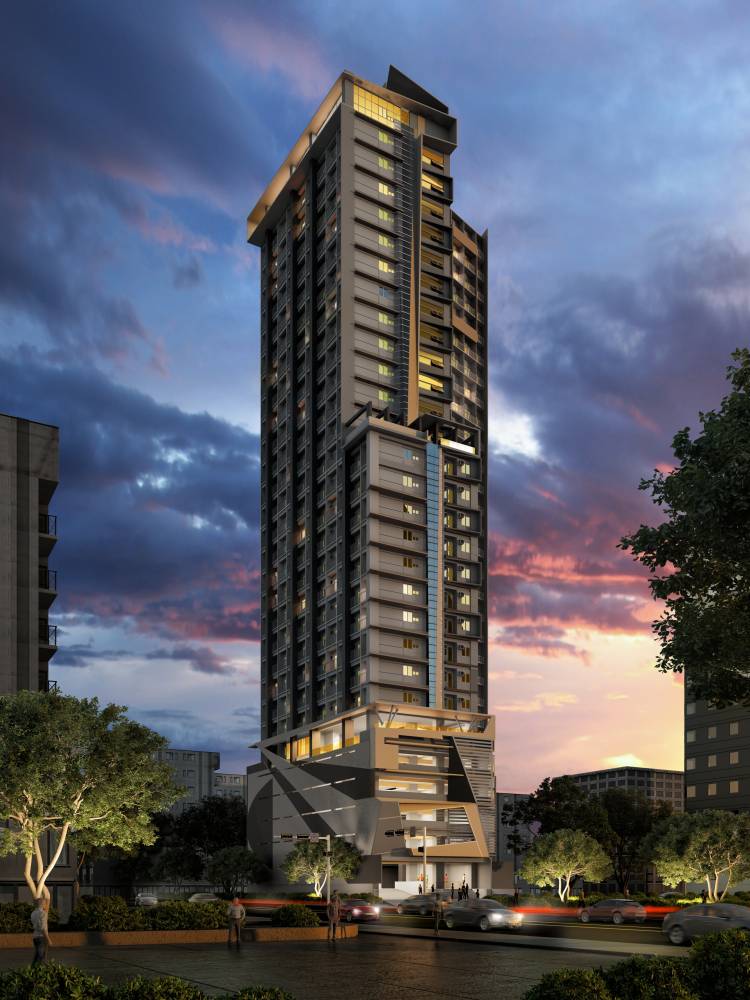
Primeworld Pinnacle, a 30-floor residential development by Primeworld Land Holdings Inc. along V. Rama Avenue in Guadalupe, offers a useful study in location-driven housing.
The project situates 536 residential units within minutes of Vicente Sotto Hospital, Chong Hua Hospital, Cebu Doctors Hospital, Robinsons Fuente, Southwestern University PHINMA, Cebu Normal University, and the University of San Carlos.
These are the daily anchors of working and studying Cebuanos. Proximity to them reduces commute time, transportation costs, and the kind of logistical friction that quietly erodes quality of life.
What a small unit actually demands
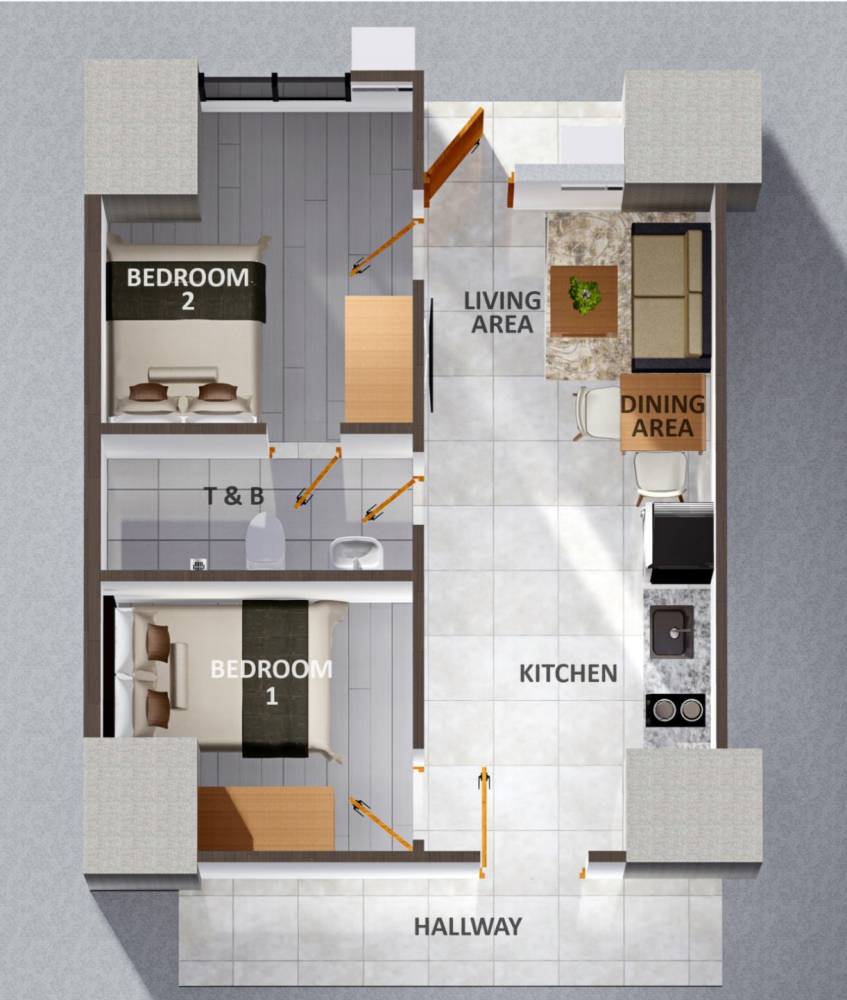
Unit sizes vary from 21 sqm to 25 sqm for one-bedroom units and 34 sqm to 35 sqm for two-bedroom units.
At these sizes, each architectural choice has significant impact. Circulation paths, storage walls, kitchen clearances, bathroom dimensions, and sleeping zones must coordinate precisely.
A 21-sqm home can feel ordered and livable when discipline guides the layout. It fails when the floor plan follows a showroom illusion rather than a real household routine.
Buyers evaluating compact units should ask practical questions: Where does a child study? Can an older parent move safely between rooms? Is there space for a remote worker to take a call without occupying the entire living area? Square meters alone rarely answer these questions.
Amenities as shared living space
The project lists a swimming pool and deck, a kiddie playroom, an outdoor park and playground, a fitness gym, a coffee shop and bar, a prayer room, function halls, a reception area, and a mailbox room. Read together, these are not selling points. They are spatial extensions of small private units.

Birthdays, study sessions, early-morning exercise, and community gatherings cannot always take place in a 25-sqm home. Shared infrastructure absorbs what private rooms cannot hold, and its quality determines whether a dense building feels like a residence or a warehouse.
The parking question nobody wants to answer
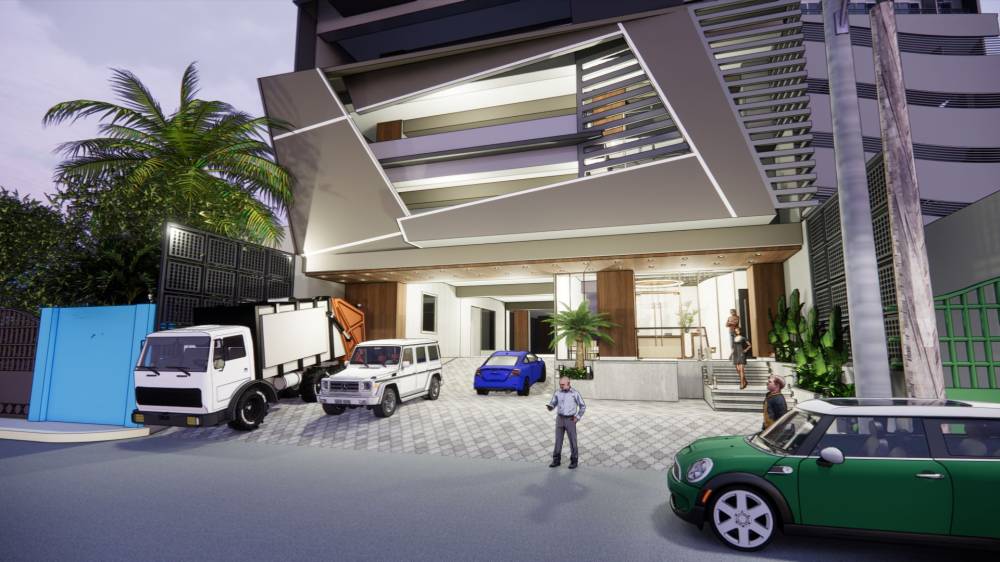
Ninety-seven shared parking slots, serving 536 units, is a ratio that deserves honest public conversation.
In central Cebu, each parking level represents structural cost, ramp space, and street-level impact. That ratio is a signal that inner-city housing and car-centric living are in tension, and that tension will only sharpen as density rises.
The standard Cebu must now meet
A vertical building can place residents near hospitals, schools, and markets. What it cannot do alone is make those connections comfortable to use on foot. That depends on sidewalk quality, pedestrian crossings, shade, and reliable public transport.
Architecture earns its place in a city when it works with the street rather than against it. Cebu’s next chapter in residential development will be written in towers. Whether those towers improve daily life depends on how seriously both developers and city planners take the space between the lobby and the rest of the city.