







Dollar reserves drop to near 4-year low

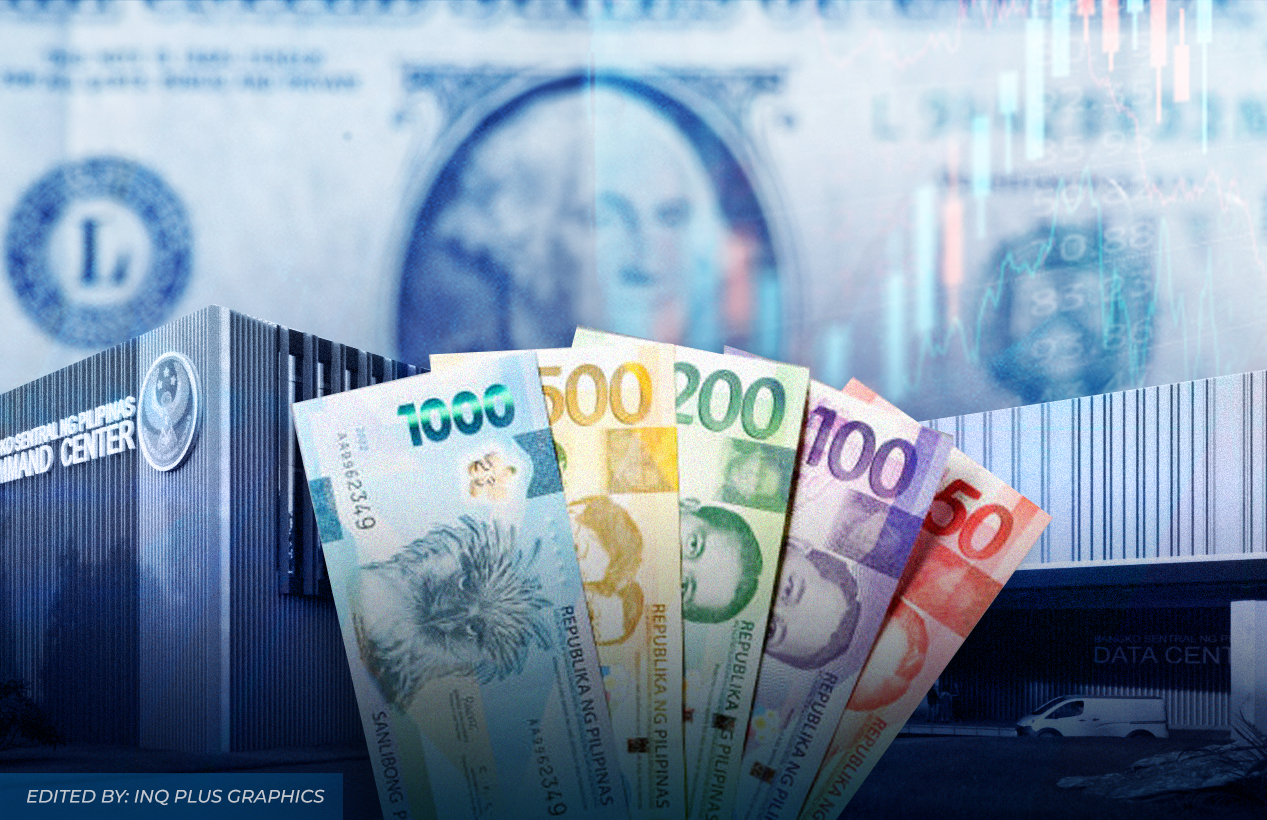
The Philippines’ foreign exchange reserves dropped to a near four-year low in October, extending their annual slide amid compounding pressures from the peso’s weakness, foreign debt payments and lower gold values.
Preliminary data from the Bangko Sentral ng Pilipinas (BSP) showed the country’s gross international reserves (GIR) dropped 11.7 percent from a year earlier to $97.4 billion.
This was the lowest level since December 2022, when reserves stood at $96.15 billion.
The monthly GIR print has been declining year-on-year since March amid the fallout from the war between the United States and Iran.
Month-on-month, reserves fell 2.1 percent from $99.49 billion in September.
The BSP attributed the decrease in October partly to downward valuation adjustments in its gold holdings amid lower global prices.
Gold reserves fell nearly 5 percent from September to $16.95 billion, although they were still 0.4 percent higher than a year earlier.
Meanwhile, the central bank’s foreign currency and deposits climbed 18.4 percent from the previous month to $3.65 billion. This was also more than 15 times the level recorded in the same month last year.
Foreign-denominated securities dipped 1.7 percent from a month ago to $62.84 billion and posted a larger annual decline of 21 percent.
The country’s reserve position with the International Monetary Fund stood at $755.1 million, up 4.4 percent from a month ago and 3.6 percent from a year earlier. Its borrowing authority with the fund was broadly flat at $3.92 billion.
Carlo Asuncion, chief economist at UnionBank of the Philippines, said the peso’s weakness was partly behind the drop in dollar reserves, although he said the decline was still not a cause for concern.
The peso fell past 64 per dollar for the first time last Oct. 27, just eight days after breaching the 63 level.

“The buffer remains adequate, but persistent currency pressure could lead to further reserve drawdowns,” Asuncion said.
“More important than the absolute level is the pace and persistence of the drawdown, particularly if accompanied by sustained peso pressure. For now, the external buffer remains adequate, but continued reserve losses could gradually reduce the BSP’s room to manage external shocks and excessive [foreign exchange] volatility,” he added.
The BSP said the October reserves level could cover up to 6.1 months’ worth of imports of goods and payments for services and primary income. It could likewise cover about 3.1 times the country’s short-term external debt based on residual maturity.
The reserves serve as the country’s main shield against external shocks, helping finance imports and foreign debt payments when export earnings or access to foreign loans dry up.
The BSP may also draw on its reserves to intervene in the foreign exchange market during periods of peso depreciation.