






2028 switch-on eyed for Pax Silica hub

It will take at least two more years for the US-backed industrial zone planned for New Clark City to begin operations, as Manila and Washington still need to finalize key agreements defining the site’s construction and operations.
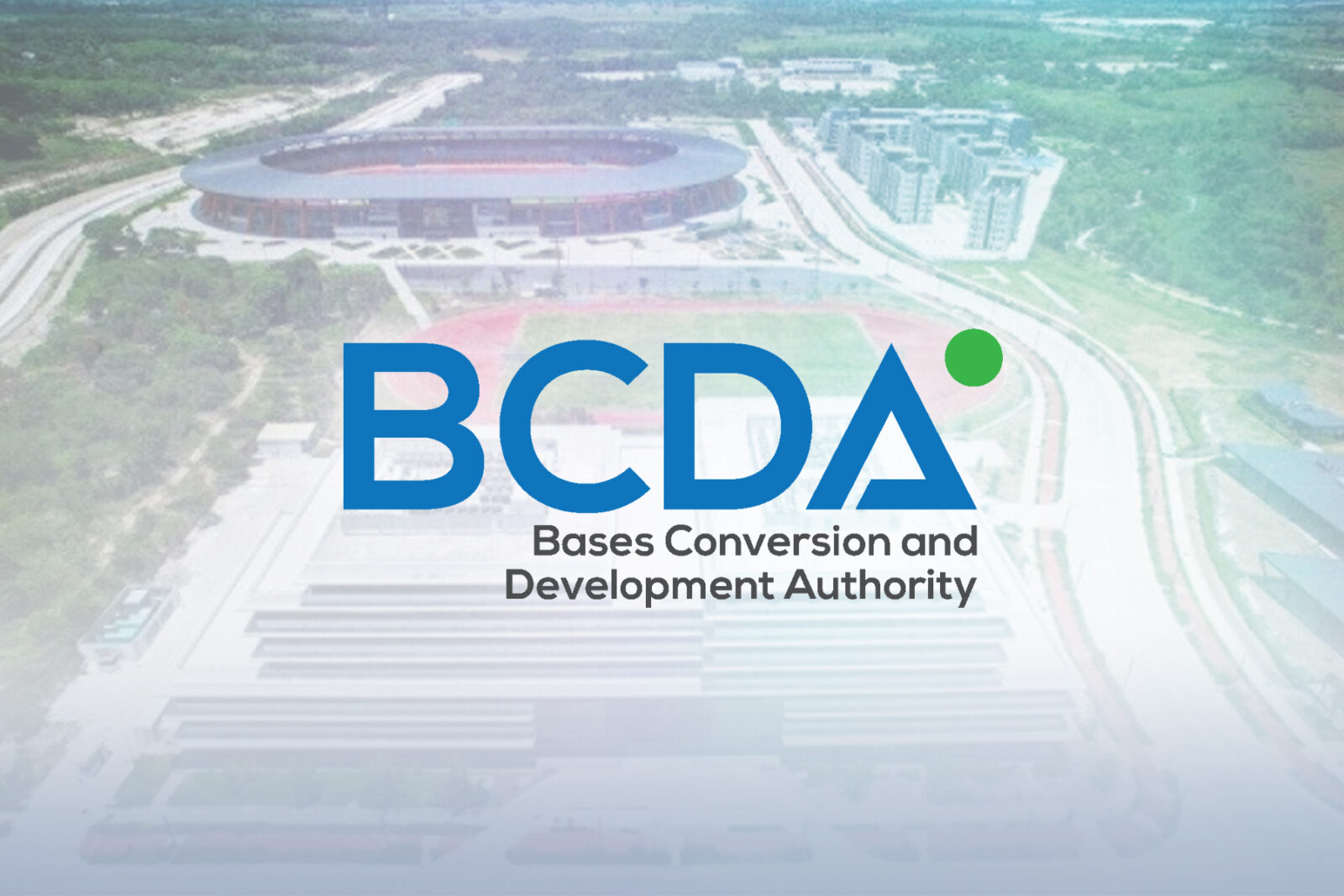
At a briefing on Friday, the state-run Bases Conversion and Development Authority (BCDA) said the 1,619-hectare site, to be developed under the Pax Silica initiative, will be rolled out in phases under a long-term agreement.
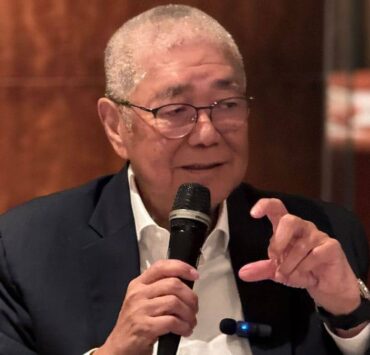
“This will take two years at least,” BCDA president and CEO Joshua Bingcang said, noting that the site still needs to undergo analysis, investigation, joint surveys and detailed design before development can start.
This two-year timeline also underpins BCDA’s decision to grant the US, the property’s master lessee, a grace period on lease payments, which will be treated as an in-kind contribution during the initial development phase.
Bingcang said this setup was “standard” and described the arrangement as a “normal commercial agreement,” similar to previous projects in Clark involving firms from Japan, Singapore and South Korea.
Touted as the “first of its kind,” the project will operate as an economic zone, with locators eligible for incentives under the Corporate Recovery and Tax Incentives for Enterprises to Maximize Opportunities for Reinvigorating the Economy Law.
Bingcang clarified that BCDA—not any US entity—will screen and approve locators.
This runs counter to a Wall Street Journal report that said the US would “administer” the site.
Clarifying the US role, Bingcang said it would act as master lessee and take on certain development responsibilities, including building roads—an arrangement he said could save the government “tens of billions of pesos.”

The BCDA chief said additional agreements were expected to be signed within six months to further define the partnership.
BCDA has identified a site between the New Clark City Sports Hub and the Clark International Airport as the location for the planned AI-native industrial acceleration hub.
Under the BCDA proposal accepted by the US Department of State, the agreement only covers lease terms, renewal, use and access. There are no provisions granting diplomatic immunity or allowing the site to operate under US law.
This hub will also not be exclusive to American firms. Trade Undersecretary Ceferino Rodolfo said that at least five companies from the US and East Asia have already expressed interest in the site.