






BSP: PH digital transfers jump as lower fees spur usage

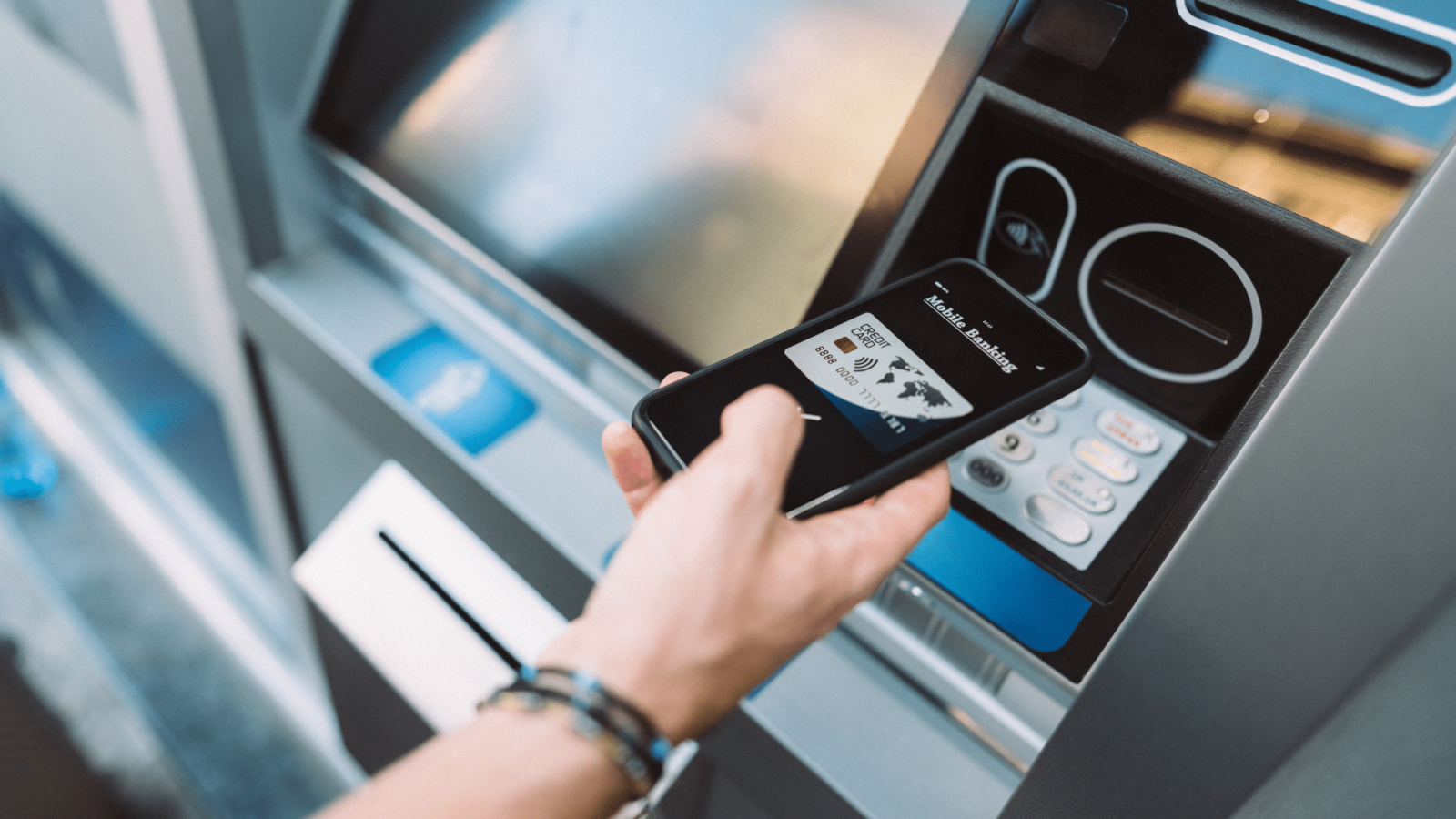
The Bangko Sentral ng Pilipinas (BSP) said digital fund transfer transactions have climbed between 10 and 50 percent since banks and e-wallet providers cut their transfer fees, offering what the central bank described as a potential “second wind” for financial inclusion after progress showed signs of plateauing.
In an interview with One News TV on Tuesday, BSP Deputy Governor Mamerto Tangonan said the central bank would conduct a more comprehensive assessment of transaction volumes by the end of the month.
But he noted that preliminary reports from banks and other financial institutions point to a sharp increase in digital transfers following the fee cuts.
Tangonan also said banks had been signing up new customers after the central bank required supervised financial institutions to accept the national ID as sufficient proof of identity when opening deposit and transaction accounts.
“We noted that the growth of the digital payments year-on-year has more or less approached a plateau,” he said. “We need a second wind in order to propel the greater usage of digital payments, especially to those who are still non-users.”
Under BSP Circular No. 1238, banks and other BSP-supervised financial institutions must ensure that fees for person-to-person digital fund transfers between accounts held at different institutions do not materially differ from those charged for transfers between accounts within the same institution.
Because transfers between accounts within the same bank or e-wallet are typically free, the central bank said any additional fee for interbank or interwallet transfers should largely reflect charges paid to the network switch operator.
The BSP also said that while institutions may adopt differentiated pricing based on legitimate business and operational considerations, they must ensure that their fee structures do not result in one group of users unfairly subsidizing another.

As of 2024, digital channels accounted for 57.4 percent of retail payments, BSP data showed.
But the central bank’s 2025 Consumer Finance and Inclusion Survey found that only 50 percent of Filipino adults had a formal financial account—including bank, e-wallet and other transaction accounts—down from 56 percent in 2021.
Tangonan said high transfer fees had been among the main reasons many Filipinos hesitate to open financial accounts.
“We have to address that,” he said. “And with the initial market reaction that we are hearing from the banks and the e-wallets, the response is very good.”