










Cavite: Celebrating a rich past, charting a bold future


Perhaps because of its proximity to the National Capital Region, Cavite has often been overlooked, even taken for granted.
Cavite, however, is much more than a chapter in the history books and a label as a suburb of Metro Manila.
Indeed, the province is an economic powerhouse in its own right, the growth of which Gov. Francisco Gabriel Remulla wants to accelerate during his watch.
As Remulla pointed out in an interview with the Inquirer, Cavite is a major driver of national economic growth with a presence in manufacturing, logistics, tourism, housing and innovation.
Manufacturing
Cavite hosts 12 fully operational industrial estates and economic zones, with smart townships and ecozone developments expanding in growth areas.
These ecozones combined host more than 760 locator companies, thus Cavite has one of the largest concentrations of industrial and manufacturing investments.
At the heart of this ecosystem is the Cavite Economic Zone in Rosario and General Trias, the province’s flagship public economic zone.
More than 164,000 workers are directly employed within Cavite’s economic zones.
Beyond direct employment, ecozones create a powerful multiplier effect throughout the local economy.
For every direct ecozone job, an estimated three to four additional indirect jobs are generated through food and dining establishments, transportation, housing and real estate, retail businesses, utilities and support services and warehousing and logistics.
That the province attracts more than its fair share of investors, Remulla attributes not just to its strategic location and proximity to major expressways, ports and airports but also to policies that make it easy for investors to put up their operations in the province.
Cavite has thus become a trusted partner of global companies such as Schneider Electric, Fujitsu, First Sumiden Circuits, Onsemi, NXP Semiconductors, Brother Industries, Maxeon Solar Technologies and Fujitsu.
These companies manufacture products and components that are exported worldwide and form part of global supply chains supporting industries such as electronics, automotive manufacturing, renewable energy, telecommunications and advanced construction technologies.
Cavite’s role in the global semiconductors sector cannot be understated as it is deemed one of the country’s principal semiconductor manufacturing centers, thus bolstering the Philippines’ rank among the world’s major semiconductor exporters.
While Cavite hosts some of the world’s largest multinational corporations, it is also home to iconic Filipino manufacturing companies such as Liwayway Marketing Corp. (Oishi), Republic Biscuit Corp. and San Miguel Yamamura Packaging Corp.
Tourism is another major economic driver of Cavite, given its 13 major historical attractions, 21 farm tourism destinations and 14 ecotourism sites.
Cavite’s assets are divided into clusters.
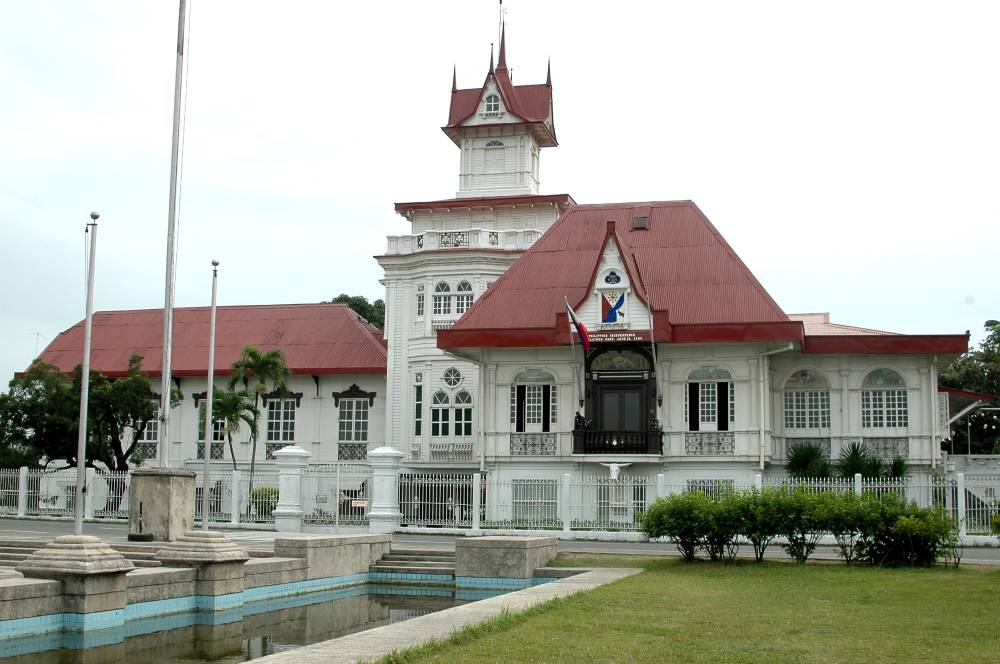
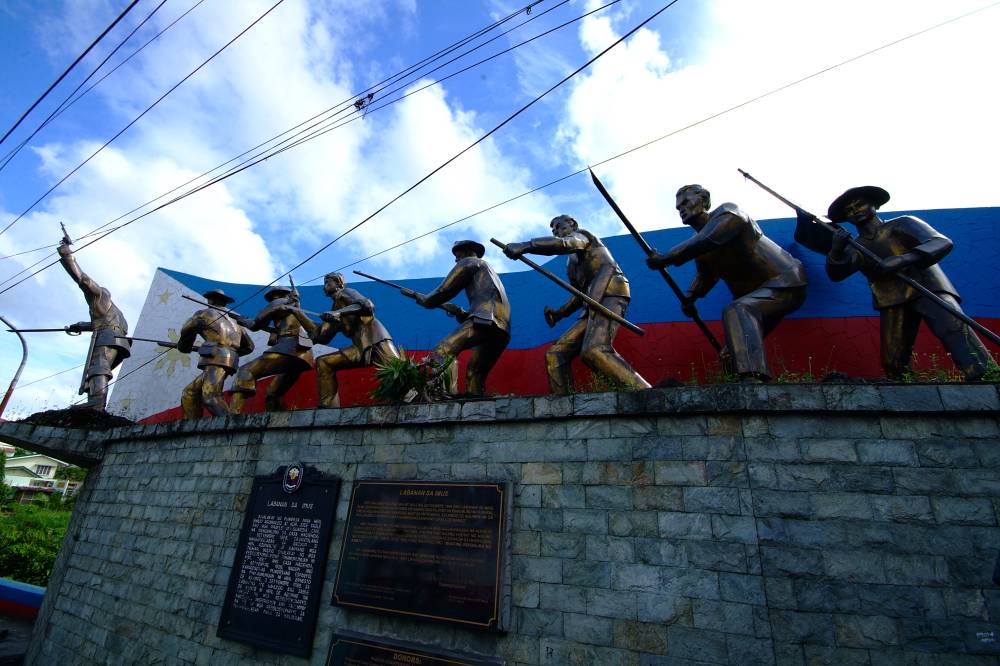
Kawit, Cavite City, Imus and Noveleta are under heritage tourism. Maragondon, Ternate and Magallanes are ideal for nature and adventure lovers, while the tourism center of Tagaytay City and the surrounding Silang, Alfonso, Mendez and Amadeo are for those looking for leisure and wellness activities.
Remulla is also particularly proud of the weaving heritage of Indang and Yndan.

Agriculture
But even as Cavite is focused on expanding its industrial and manufacturing footprint, it has not lost sight of its agriculture sector, particularly coffee.
The province produces all four major commercial coffee varieties: Robusta, Arabica, Excelsa and Liberica (locally known as Barako).
The town of Amadeo has even taken on the title of “Coffee Capital of the Philippines” due to its continuing efforts to advance coffee production in the Philippines.
Quality systems
Guiding these efforts across industries and institutions is Cavite’s vision: to be the new international gateway, logistics and investment hub of the country’s greater capital region; governed by just and pro-active leaders, with empowered, competent and resilient people who propel the vibrant and inclusive economy in a clean, healthy and sustainable environment.
Remulla said good governance was the guiding principle where public service is seen and felt by the people and not a mere buzzword.

One proof of good governance at work is the adherence to the ISO Quality Management System, defined as a formalized system of processes, procedures and responsibilities designed to help an organization consistently meet customer and regulatory requirements while driving continuous improvement.
Remulla said that Cavite is particularly proud that it has been ISO-certified since 2012, the first provincial government in Asia to achieve the ISO 9001 certification, evidence that Cavite is able to consistently meet customer and regulatory requirements.
The ISO certification demonstrates Cavite’s commitment to transparency, accountability, efficiency and professionalism.
According to Remulla, the system keeps the leaders honest and the citizens more engaged.
Social services
For the young governor, the provision of adequate social services is the ultimate measure of the success of his governance.
This is why he pays particular attention to the transformation of Cavite’s health care and education sectors.
Then, in infrastructure, Remulla said he was looking forward to the completion of more projects, such as the additional rail links, strengthening of the Cavite Bus Rapid Transport and the upgrading and expansion of major thoroughfares.
Remulla appreciates how grand his plans are, but he said he was willing to take on the challenge as he wants to leave a legacy, even if he is just starting his political career.
“I just want the people to know that I left the province of Cavite better off than when I found it,” he said.
******
Get real-time news updates: inqnews.net/inqviber


