










Pearls: The gem that lives


Since June is the month of pearls, it seems only fitting to talk about one of my favorite gemstones and one of the top ten jewelry pieces that I believe every woman should own. Unlike diamonds, rubies, emeralds, and sapphires, which are mined from the earth, pearls are organic. They are created by a living creature, making them one of the most unique gems in the world.
There is something timeless about pearls. They can be worn by an 18-year-old debutante, a bride on her wedding day, a corporate executive in a power suit, or a grandmother attending Sunday lunch. Few pieces of jewelry can move so effortlessly through every stage of life.
The delicate allure of pearls
Yet for all their beauty, pearls are also among the most misunderstood gems. One of the most common questions I get is, “Will pearls die?” The answer is yes.
Unlike diamonds and other gemstones that can last forever, pearls are organic and require proper care. A pearl contains layers of nacre, which is made up of calcium carbonate and organic materials. Over time, if neglected, exposed to harsh chemicals, or stored improperly, the nacre can dry out, crack, or deteriorate. This is why you occasionally see vintage pearls that have become dull, chalky, or developed surface damage.
The good news is that well-cared-for pearls can last for generations. I have seen beautiful pearl strands, passed down from grandmothers to daughters and then to granddaughters, still looking elegant decades later.
The secret lies in knowing how to care for them
Pearls should be the last thing you put on and the first thing you take off. Perfume, hairspray, makeup, lotion, and even perspiration contain chemicals that can damage their surface. After wearing them, wipe them gently with a soft cloth before storing them away.
Avoid keeping pearls in airtight containers or safety deposit boxes for years without use. Pearls benefit from a little moisture from the air and even from contact with your skin. In fact, one of the best things you can do for your pearls is to wear them.
If you own a pearl necklace that is worn frequently, have it restrung every few years. Silk threads weaken over time, and there is nothing more heartbreaking than watching a strand of pearls scatter across a ballroom floor.
How to tell if a pearl is real or fake
One simple test is the tooth test. Gently rub the pearl against the edge of your front tooth. A real pearl will feel slightly gritty or textured because of its layers of nacre. A fake pearl usually feels smooth and glassy. You can also examine the surface. Real pearls are rarely perfectly identical. They may have tiny imperfections, slight differences in shape, or subtle variations in color. Fake pearls often look too perfect and uniform.
Weight is another clue. Real pearls tend to feel heavier than plastic imitations. Under magnification, you may also notice that fake pearls have a coating that can peel or chip around drill holes.
Today, most pearls sold in jewelry stores are cultured pearls. This does not mean they are fake. Cultured pearls are genuine pearls that have been formed inside oysters or mollusks with human assistance. Natural pearls, which occur without any intervention, are extremely rare and often found only in auctions and museums.
There are several major types of pearls
Akoya pearls are perhaps the most classic. Usually produced in Japan, they are known for their perfectly round shape, mirror-like luster, and elegant white or cream color. When most people picture a traditional pearl necklace, they are usually thinking of Akoya pearls.
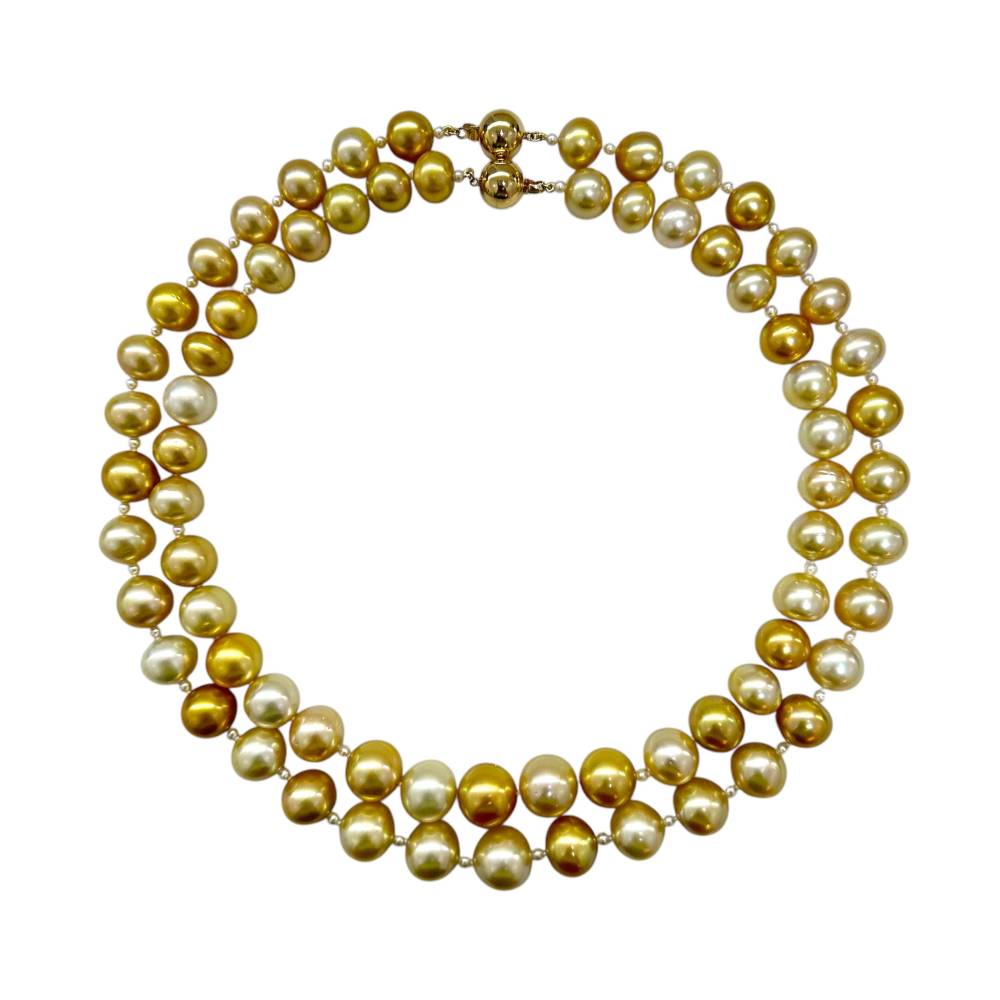
Meanwhile, South Sea pearls are the queens of the pearl world. Produced primarily in Australia, Indonesia, and the Philippines, they are larger, rarer, and significantly more expensive. They come in white, silver, and golden shades and possess a rich, satiny glow that is unmistakable.
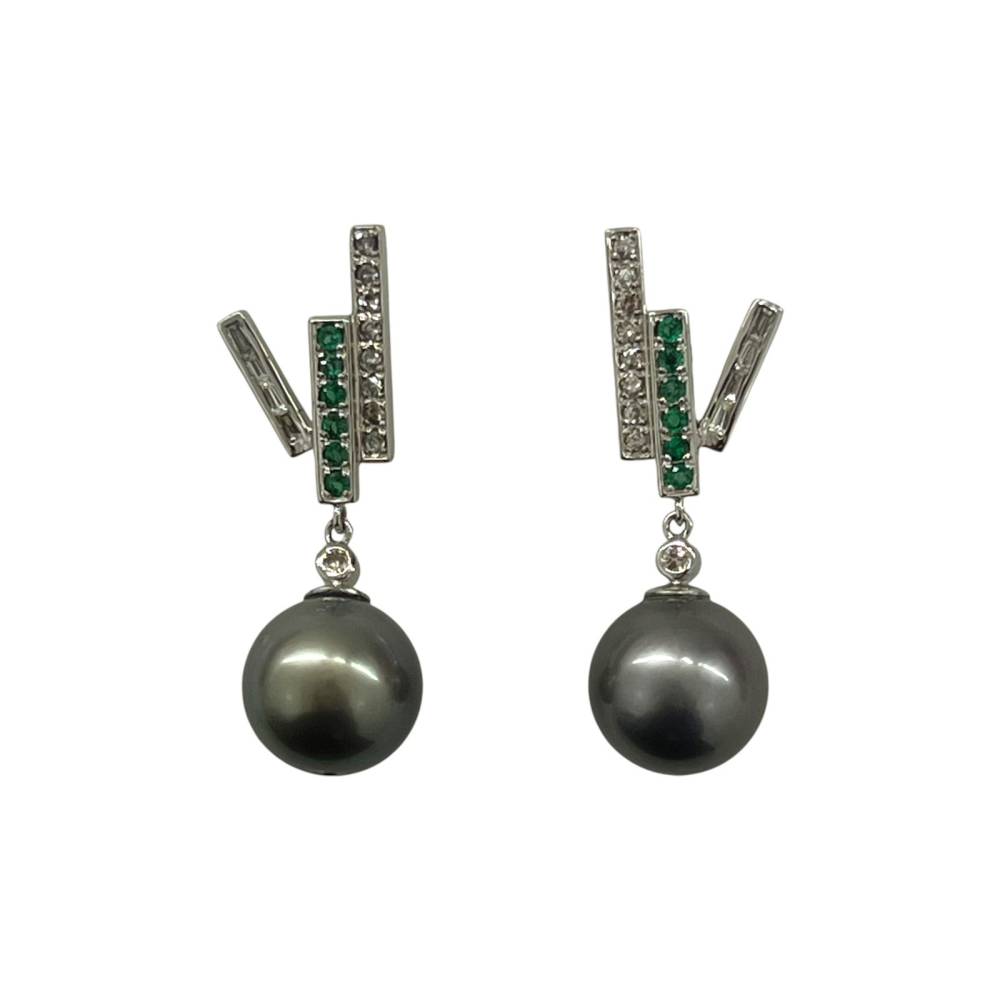
Tahitian pearls are often called black pearls, although their colors range far beyond black. They can display beautiful shades of peacock green, silver, charcoal, blue, and aubergine. Their mysterious colors make them favorites among collectors.
Freshwater pearls are cultivated mainly in China and offer tremendous value. Available in countless shapes, sizes, and colors, they have become increasingly popular because of their affordability and versatility.

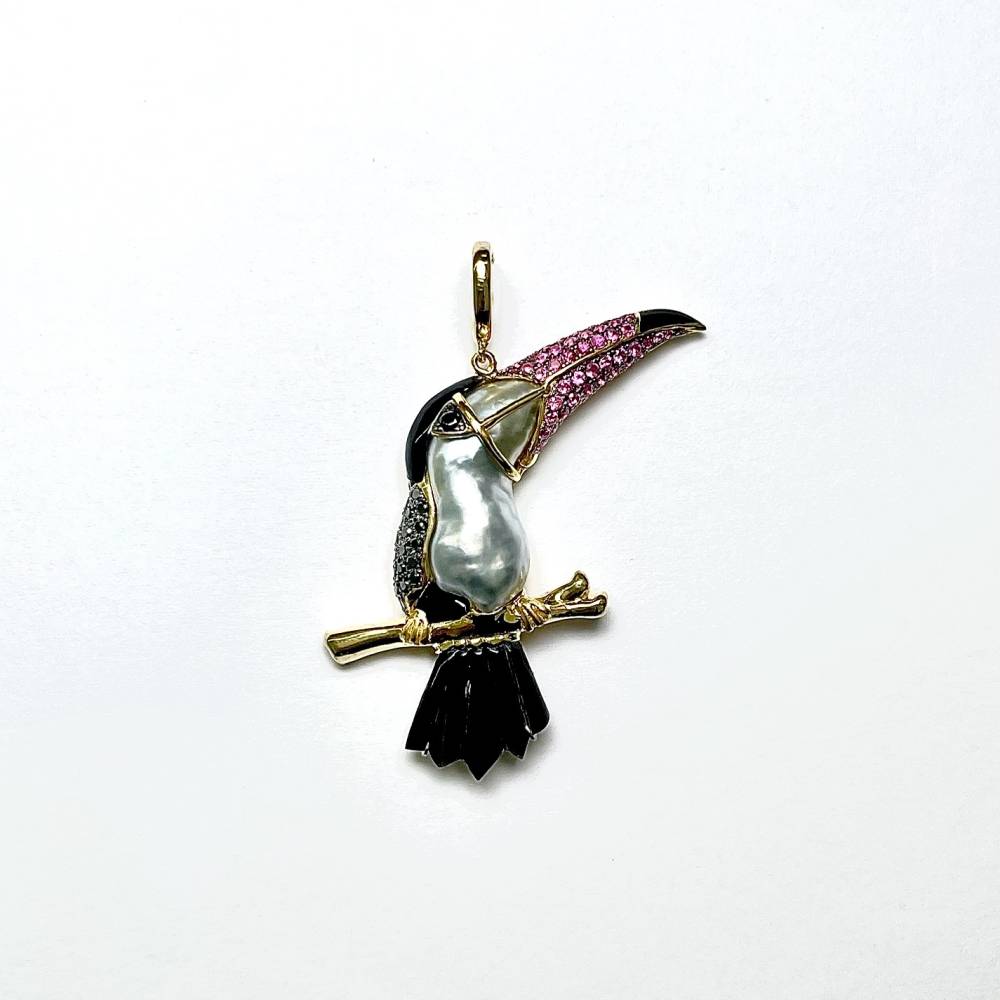
Then there are the baroque pearls. These are pearls with irregular shapes that do not conform to the traditional perfectly round standard. In recent years, baroque pearls have become highly fashionable because each one is unique. No two are exactly alike.
Whispered sophistication and effortless elegance
As a jeweler, I have always loved pearls because they possess a quiet elegance. They do not scream for attention the way a large diamond might. Instead, they whisper sophistication.
Perhaps that is why pearls have remained relevant for centuries. As June’s birthstone, pearls have long been associated with purity, wisdom, and serenity. They are one of only a few gemstones created by a living organism, which makes them even more special. From royalty and movie stars to modern fashion influencers, pearls never seem to go out of style.
And unlike many things in life, pearls do not need to be saved for special occasions. Wear them with a white shirt, jeans, a black dress, or even a simple T-shirt. The more you wear them, the more they become a part of your story.
Because yes, pearls can die. But if you love them, wear them, and care for them properly, they can outlive you and become part of someone else’s story as well.
And that, to me, is what makes pearls truly precious.
Types of pearls
Get real-time news updates: inqnews.net/inqviber