










India takes aim at global obesity

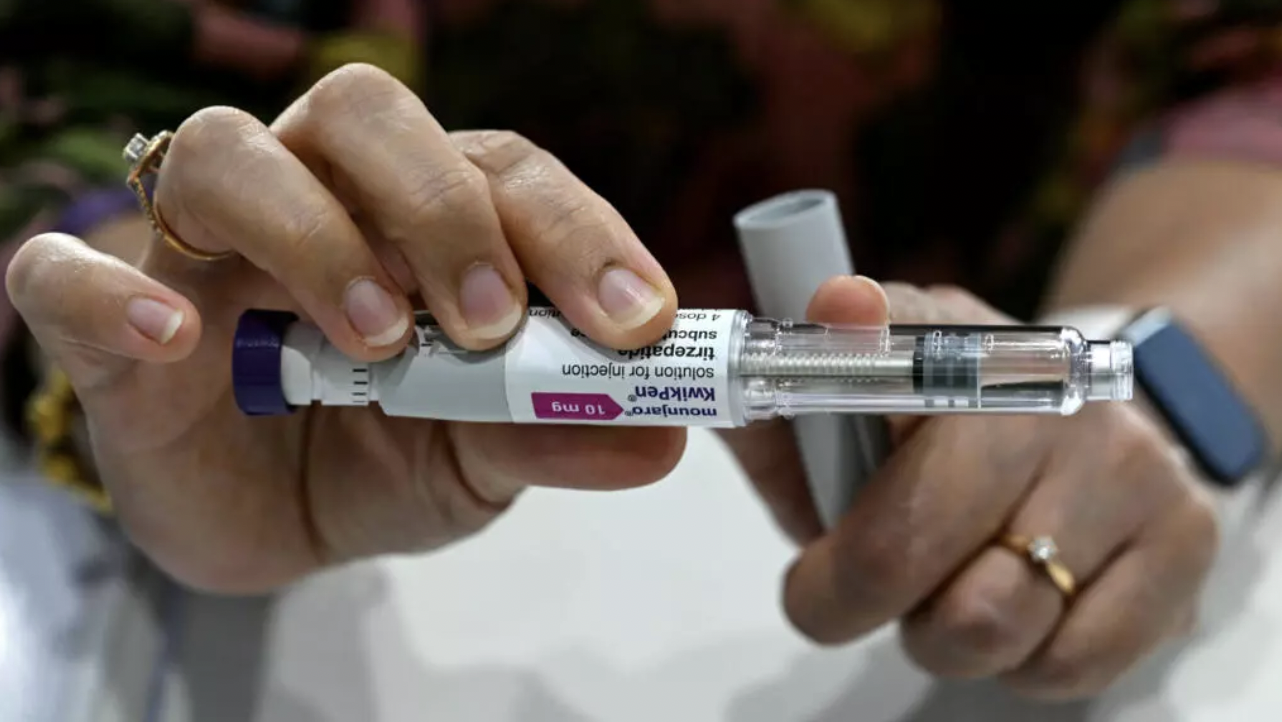
A deluge of weight‑loss drugs is set to transform the global fight against obesity as India prepares to unleash low‑cost generic versions of injections like Ozempic after a key patent expired Friday.
The move will dramatically widen access to treatments that have long been considered a luxury, especially in middle-income countries, where soaring demand has collided with steep prices.
The breakthrough comes as patents on semaglutide—the active ingredient in drugs such as Ozempic and Wegovy —expired Friday in India, the world’s largest supplier of generic medicines.
By the end of 2026, core patents on semaglutide will have expired in 10 countries that represent 48 percent of the global obesity burden, according to a study published earlier this month by researchers.
These include Brazil, China, South Africa, Turkey and Canada, the study said.
For India’s drug giants, this marks the start of an aggressive new race. At least four major firms have already prepared generic semaglutide injections.
Some, including Zydus Lifesciences, have announced “Day 1” launches, suggesting generic versions may become available as soon as this weekend in India.
Research firm Pharmarack estimates the Indian market will soon be flooded with options.
Shifting landscape
“What we understand is, there will be more than 50 brands that will be launched in the market and there are more than 40 players who will be launching these drugs,” Pharmarack’s vice president Sheetal Sapale said.
The timing aligns with India’s shifting health landscape.
While the country still accounts for a third of the world’s undernutrition according to the World Health Organization (WHO), rising incomes and urban lifestyles have pushed obesity rates sharply upward.
Government data released March last year shows 24 percent of women and 23 percent of men are overweight or obese in India.
“Once a person starts earning money, he becomes more sedentary here,” says bariatric surgeon Sanjay Borude. “While in First World countries, the more the money, they become more active and devote time for their health, this is reversed in India.”
These flipped economics have worked well for big pharma players like Eli Lilly and Novo Nordisk who have been cashing in on the market.
India’s weight‑loss drug sales have grown tenfold in five years to $153 million as of 2026, and are projected to soar to over half a billion by 2030.
Worldwide impact
But using such drugs can cause side effects, including nausea and gastrointestinal issues.

Eli Lilly’s Mounjaro became the country’s top‑selling drug by value last year, surpassing even common antibiotics.
Still, high prices—often 15,000 to 22,000 rupees ($161-$236) a month—limit access, says Swati Pradhan, who runs a weight-loss clinic in Mumbai.
She expects patient numbers to rise once generics push treatment costs closer to 5,000 rupees ($60) a month.
The global impact may prove even more profound.
India supplies more than half of Africa’s generic medicines, and cheaper semaglutide could become a lifeline for countries where obesity is rising rapidly but treatment remains unaffordable.
“Lower‑cost semaglutide could significantly expand access to effective treatment particularly in middle-income countries where price has been a major barrier,” Simon Barquera, president of the World Obesity Federation, told Agence France-Presse (AFP).
“Generic products are an important step in breaking the access barrier, now that the scientific one has been overcome.”