







Libreng Sakay Program should be nationwide, not optional


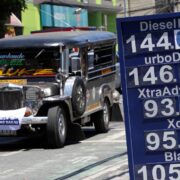
Diesel at P172.9 per liter. Gasoline nearing P120. Another fare hike. Another deduction from the already bleeding take-home pay of millions of Filipino workers. The global fuel crisis is not a temporary storm. It is the new normal.
And the Philippines faces this crisis with a fatal vulnerability: we have no railway system to speak of. Outside Metro Manila’s congested lines, there is no train to absorb fuel shocks. We move by bus, jeepney, and tricycle, all dependent on imported diesel. When prices spike, drivers pass the pain to commuters, and families are forced to choose between food and transportation.
But Quezon City Mayor Joy Belmonte has proven there is another way. Her Libreng Sakay program, now institutionalized by an ordinance and serving over 4.5 million commuters, offers free bus rides that shield residents from fuel price volatility. It is not a pandemic relic. It is a permanent lifeline. It is time to expand that lifeline nationwide, not overnight, but through a practical, two-phase approach.
Phase 1: All cities, immediately. Every city in the Philippines has the legal authority and budget base to replicate Quezon City’s model. A city ordinance can allocate a fixed percentage of annual internal revenue allotment or local revenues to fund free bus or jeepney routes within its jurisdiction. Manila, Cebu, Davao, Baguio, and Zamboanga, each can start with one or two routes and grow from there. The blueprint exists. The excuse of “we cannot afford it” collapses when a city like Quezon City has already shown the way.
Phase 2: Municipalities, with national support. Municipalities have smaller budgets, but they also have fewer commuters. A fourth-class municipality does not need a fleet of 40 buses. It needs one free jeepney route connecting the town center to the most populated barangays. It needs fuel vouchers for tricycle drivers who agree to cap fares for students, seniors, and PWDs. It needs a small national fund, drawn from a fraction of fuel taxes or the Malampaya fund, to seed these programs.
The national government can create a Libreng Sakay Municipal Fund that provides matching grants to local government units that pass their own free ride ordinances. This is not dole out. It is strategic relief that breaks the link between global oil prices and a family’s ability to get to work or school.
Why now? Because fuel will not go back down. Every economist warns that P150 to P200 per liter is the new floor, not a spike. Waiting for cheaper fuel before acting is like waiting for a drought to end before digging a well. And with no railway coming to most provinces within the next decade, the only humane response is to subsidize the road-based system we already have.
Quezon City gave us the blueprint. Now, mayors and governors across the country must answer a simple question: If Mayor Belmonte can protect 45 million commuters from fuel prices, why can’t you protect your own?
Phase by phase. City by city. Municipality by municipality. Let us start now.
Manny Ilao,
manny.ilao@yahoo.com


LGUs: The true engines of education reform