










Track record of negligence

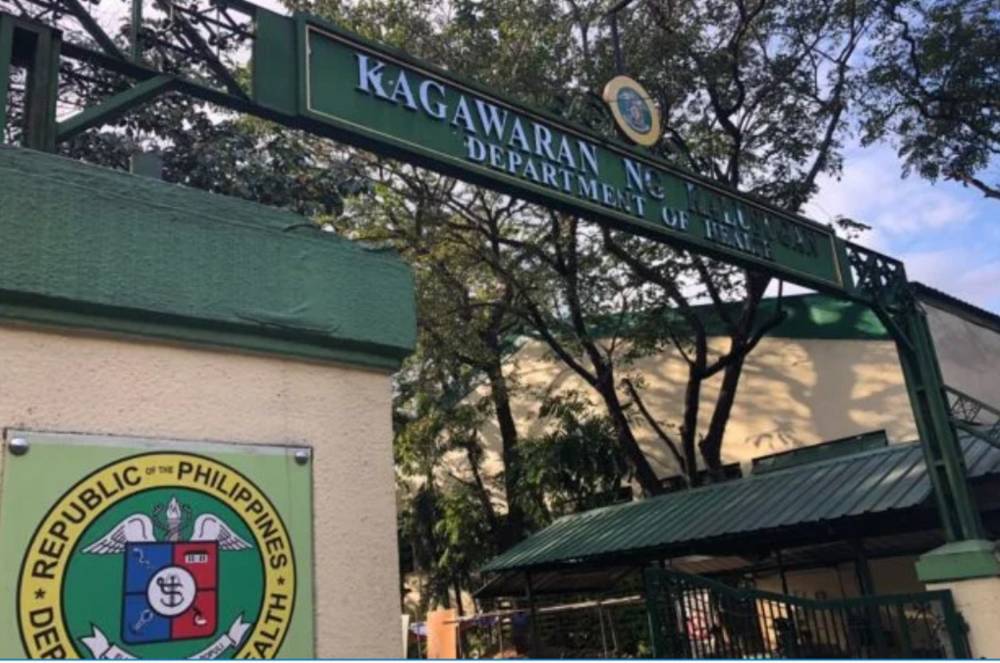
The sight of a mountain of expired medicines being buried by Department of Health (DOH) personnel will make any Filipino feel sick, as these lifesaving drugs—already out of reach for many people—are just going to waste.
Consider the facts: According to a June 18, 2026 report by the Philippine Statistics Authority, out-of-pocket spending by Filipino households accounted for 41.2 percent of the current health expenditure in 2025, while the government contributed a bigger 46.5 percent of the country’s total P1.87 trillion expenditure on health care.
Filipinos not only have to shell out their own money for medical expenses, they also bear the high cost of medicines in the Philippines. A 2022 Social Weather Stations survey commissioned by the Pharmaceutical and Healthcare Association of the Philippines found that medicines ranked as the most burdensome healthcare expense for Filipinos, followed by doctors’ fees, laboratory fees, and hospital rooms. The same survey showed that majority of Filipinos—78 percent—believe that the government “should definitely” provide free medicines.
Out-of-pocket expenses
Philippine Health Insurance Corp. (PhilHealth) acting vice president Rey Baleña said in an interview last Aug. 26 that 40 percent of Filipinos’ out-of-pocket expenses go to purchasing maintenance medicines for various ailments and treatments. That is why PhilHealth launched a program providing 75 essential medicines for free, he said.
Then comes the news that the DOH has once again wasted millions’ worth of medicines which could have provided much relief for the majority of Filipinos unable to afford these drugs.
At a Senate hearing on the DOH budget last week, Sen. Raffy Tulfo disputed health officials’ assertions that expired medicines were being returned to the supplier for replacement, thus avoiding waste of public funds.
“I have evidence that those medicines are being buried. I have pictures here that will show that those medicines are being buried,” Tulfo said, before showing photos of hundreds of boxes and sacks of supposedly expired drugs being buried with an excavator.
Tulfo recalled that he criticizes the DOH every year during the budget hearing.
“The DOH always says that this is due to some oversight on their part. That’s the reason. And then, number two, they say that medicines that expire are returned to the supplier, and the suppliers replace them. I’m going to debunk that today … that lie by the DOH,” Tulfo said.
Audit observation memo
New Health Secretary Edwin Mercado confirmed during the hearing that P217 million worth of medicines expired in 2025, and told senators he would have the matter investigated.
The Commission on Audit (COA), in an audit observation memo issued to the DOH last April, flagged P217 million in expired medicines in the DOH inventory as of Dec. 31, 2025, with P476.5 million set to expire at the time of the audit.
Annual COA audits have already established that the DOH has a track record of wasting billions worth of medicines—an abomination for a country where some of the poorest citizens never had access to doctors or decent medical care.
In 2024, COA found P34.8 million worth of expired and nearly expired drugs, and P99.4 million worth of other inventories about to be wasted. Worse, its 2022 annual audit flagged P7.4 billion worth of expired or nearly expired medicines and other inventories, while its 2023 audit found that P11.18 billion of supplies and COVID-19 vaccines expired or suffered damage. From 2015 to 2018, P18.5 billion worth of drugs reportedly expired.
The 2024 audit found unused medicines in DOH units in Metro Manila, the Ilocos Region, Calabarzon, Western Visayas, Central Visayas, Eastern Visayas, Zamboanga Peninsula, the Davao Region, and the Bangsamoro Autonomous Region in Muslim Mindanao.

Lapses in procurement
The annual COA audits included findings on the flaws in the DOH procurement and distribution systems that should have been addressed. In its 2025 audit, COA cited the failure of DOH units to properly monitor the expiration dates, reconcile inventories, and consider historical consumption, among other lapses in the procurement process. COA questioned whether demand was properly assessed to match the needs of various DOH hospitals and centers.
“Overall, the problem exposed Management’s [DOH] inability to safeguard, manage, and utilize health funds and resources economically and effectively,” COA said.
“This situation impacts the timely distribution of medical resources and could lead to the inefficient use of government funds,” COA said in its 2026 audit.
Apparently, these audit observations have fallen on deaf ears. While the DOH cries for more budget, it must equally be held accountable for wasting medicines vital to the health and well-being of many Filipinos. Its leaders and personnel responsible for the costly lapses must be investigated and penalized to end the department’s long record of negligence in handling public resources.
******
Get real-time news updates: inqnews.net/inqviber