









Alleviate gas woes with the 15-minute city

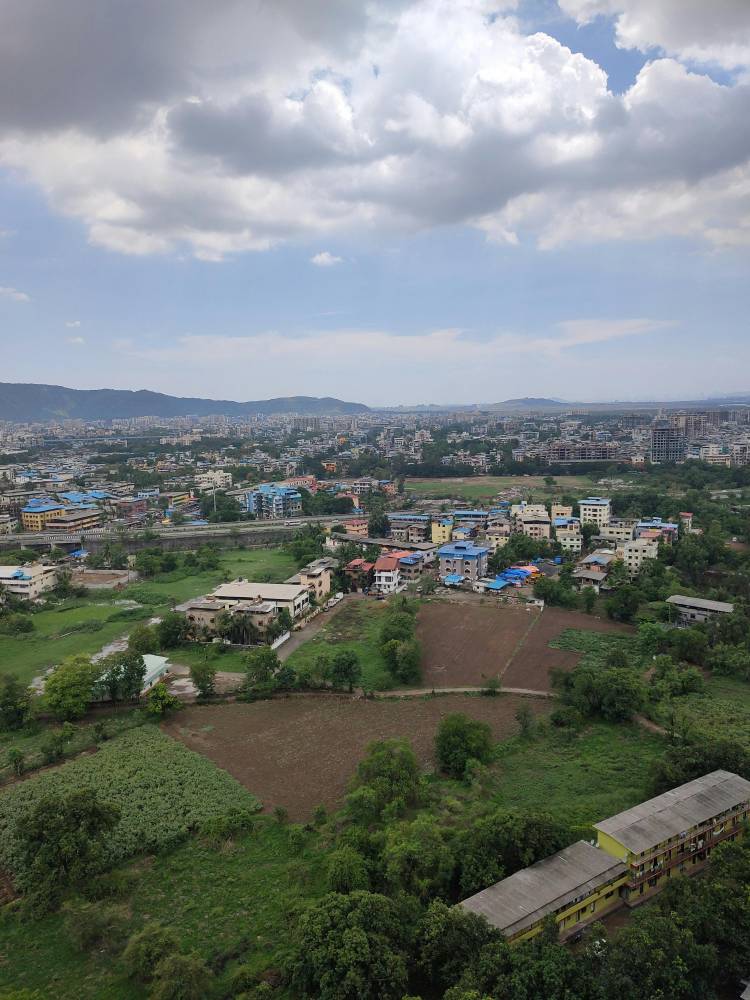
For years now, many urban planners have been advocating for holistic communities where essentials are all within a 15-minute walk from neighborhoods.
Today, in light of petroleum shortages around the world, the benefit of such communities has never been made more significant.
Beyond convenience, the 15-minute city model gives people a healthy, practical, and sustainable way to carry out their daily lives. Instead of driving cars for several hours a day, citizens get to enjoy more time bonding with their families or engaging in their passions.
If you are wondering if the 15-minute city model is possible in the Philippines, you’ve come to the right place. Here are some ways we can work together to bring this concept into our neighborhoods and create better lives in the long run.
The 15-minute city explained
The 15-minute city, a concept first coined by the Franco-Colombian scientist Carlos Moreno in 2015, is actually inspired by the writings of authors Clarence Perry and Jane Jacobs.
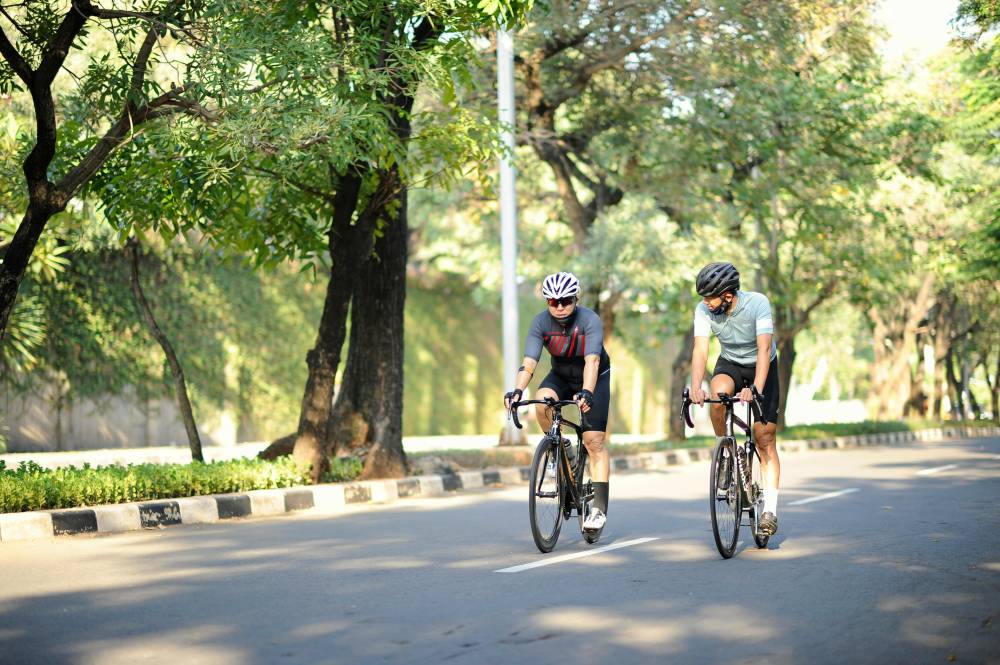
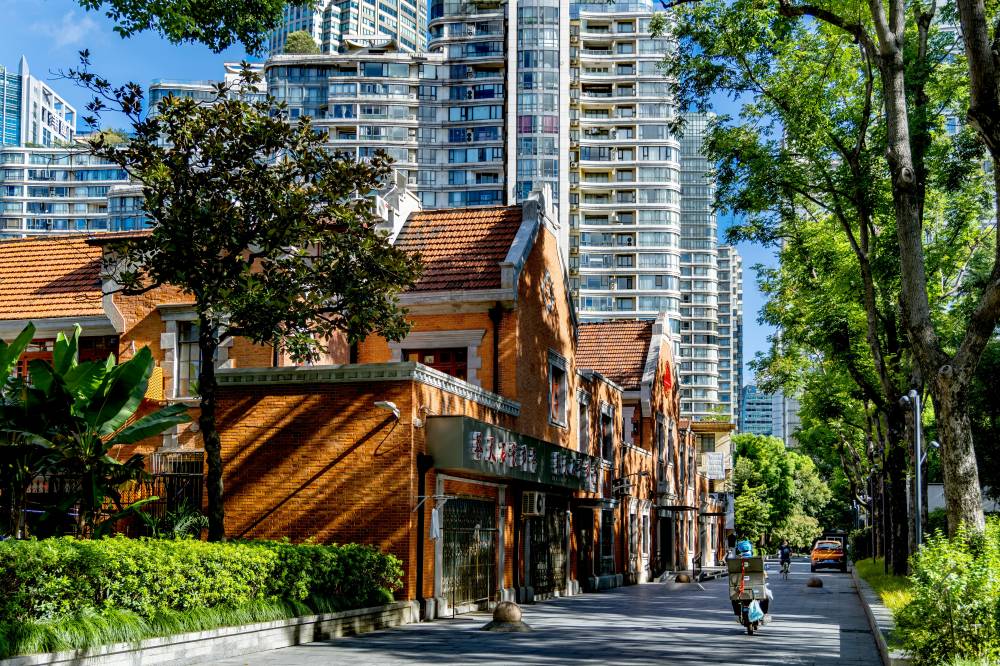
Based on this model, the ideal city is one where healthcare, education, offices, open spaces and even shopping centers are accessible to residents via walking or cycling.
The model aims to keep travel time within 15 minutes, but variations such as the 30-minute town or the 45-minute city also reflect improvements in modern neighborhoods.
The concept has become the goal of many European cities since it became public. Various cities across the world exemplify some forms of this idea, such as Utrecht in the Netherlands and Cagliari in Italy.
Models in the Philippines
In the Philippines, various cities subscribe to this concept and try to implement changes to meet its criteria.
Quezon City, for example, has done research on the basic services needed by its barangays to develop a sustainable and walkable city. It aims to implement changes in the different communities to make essentials more available to residents.
Developer-led initiatives also display efforts to decentralize existing cities.
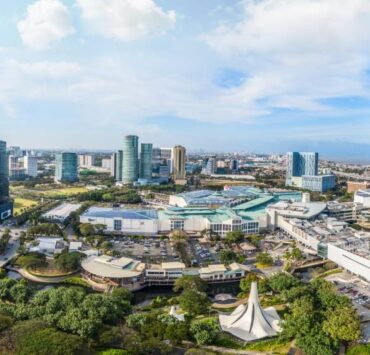
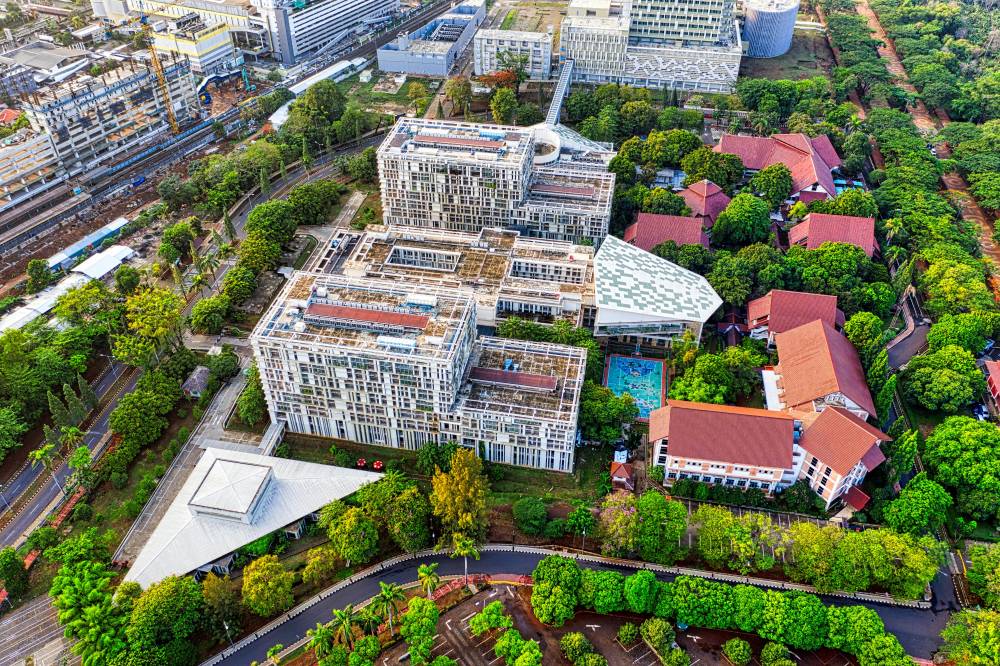
Filinvest Alabang, for example, has always been guided by its dream to create a “fully-integrated, self-contained and future-ready urban development.” It features a bustling business hub, residential condominiums, public parks, a shopping center, and a civic plaza containing a fire station, police station, and other government offices.
Southwoods City is another mixed-use township that exemplifies a holistic approach to community building.
Developed by Megaworld, the estate features residential, business, commercial and leisure spaces all located within a 561-ha property in Carmona, Cavite.
Lastly, Ayala Land’s Nuvali development in Sta. Rosa, Laguna serves as a successful example of a mixed-use community set against a green setting.
First established in 2009, the estate is considered the country’s first eco-city and features subdivisions, condominiums, commercial developments, leisure parks, premier schools, and offices in one thriving community.
These city-led initiatives and private developments show that Filipinos have been trying to implement goals similar to the 15-minute city model for many years now. It also proves that following this initiative is possible even in existing cities through the cooperation of major stakeholders and decision-makers.
How you can help
Given our problems today, it would be the ultimate dream to just move into a city where you can access all your essentials without needing to travel. Realistically, however, most of us can’t do that.
The next best thing, however, is to help make our current community thrive to make it as self-sufficient and sustainable as possible.
As citizens, we can help make our communities self-sufficient by supporting local businesses, adapting flexible spaces, participating in cultural activities, and volunteering to help underserved sectors of our neighborhoods. This not only allows us to help businesses near our homes thrive, but it also allows us to save by patronizing local goods.
Using sustainable modes of transportation—such as walking, cycling, or taking public transport—can also help ease our woes with gas prices. If you’re a business owner, you could also help by adapting work-from-home schemes and other unique work arrangements to reduce the need for commuting.
While these may be considered small steps toward the 15-minute city model, these efforts can help our communities evolve and decentralize over time.
The 15-minute model is not a solution that is quick to implement. Perhaps through small initiatives, we can all push decision-makers to act and implement changes for our future benefit.
While rebuilding our cities may not prove to be the solution to our current challenges, making the necessary changes today will help future generations avoid the same plight.
Sources: www.nlc.org; https://quezoncity.gov.ph; https://filinvestcity.com; https://ayalaland.com; www.megaworldcorp.com; Nasirun Khan, Yudi Ding, Shivani Sharma, and Tom Fisk via pexels.com