









Cities for people: How mixed-use communities create vibrant, sustainable futures

Imagine a community where your morning doesn’t begin with a frantic race against time.
Rushing the kids to school before the morning bell rings, only to join the crowd for a grueling commute. Later, you punch out after a long day and spend your evening in a gridlocked sea of brake lights, squeezing in errands before collapsing into bed—only to hit repeat the next day.
Where has my life gone? Sounds familiar? Then join the urban millions sharing the same fate.
Now imagine an alternative: mixed-use communities.
The “Sesame Street” analogy
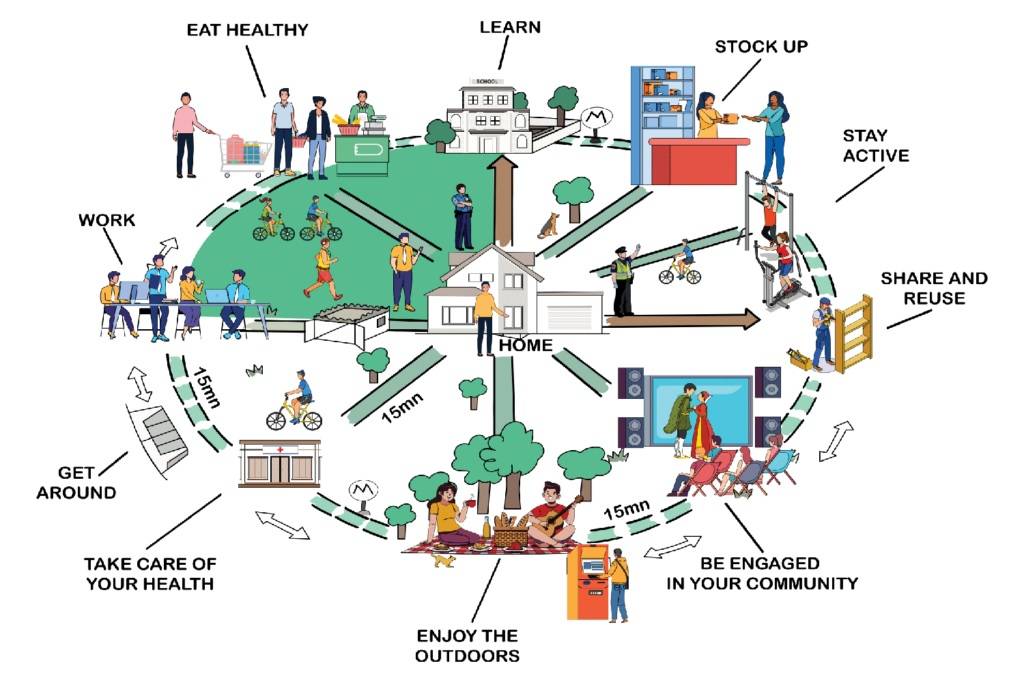
Also known as “walkable communities” and “15-minute cities,” mixed-use communities offer a compelling vision of vibrant and balanced urban life.
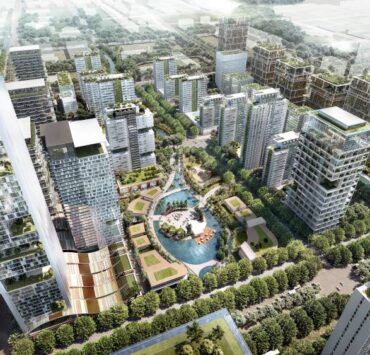
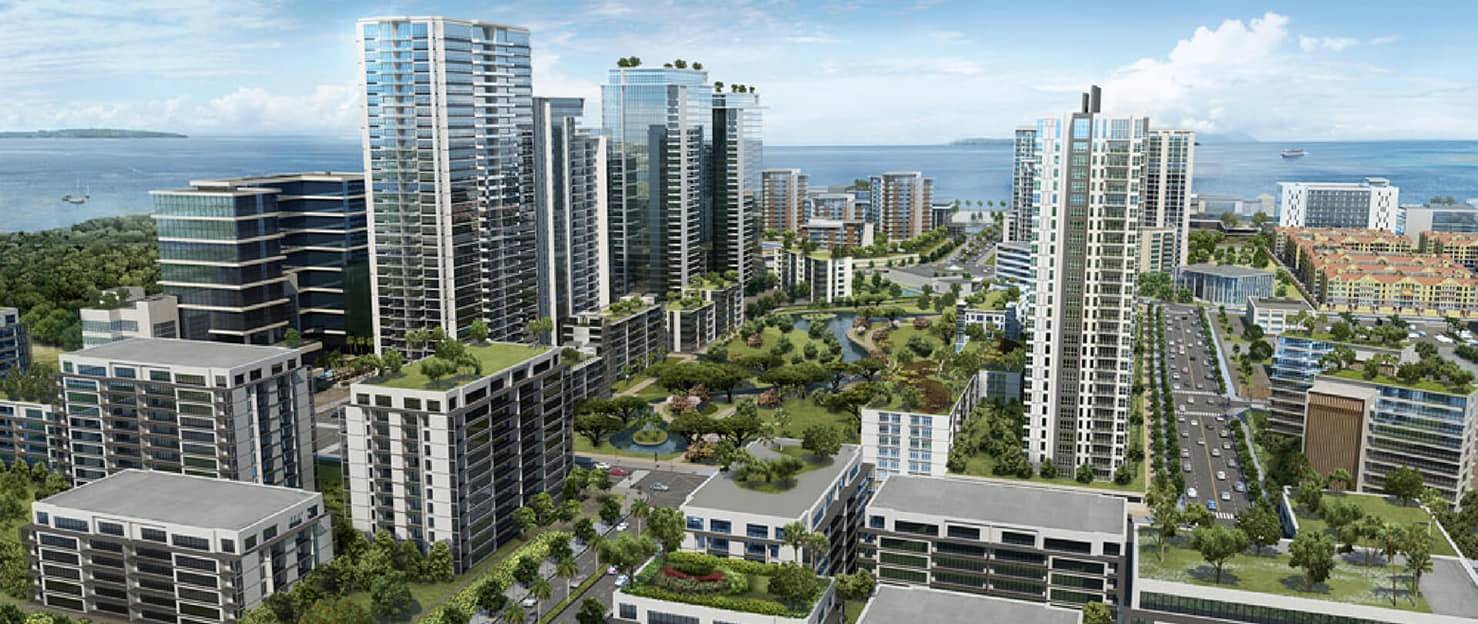
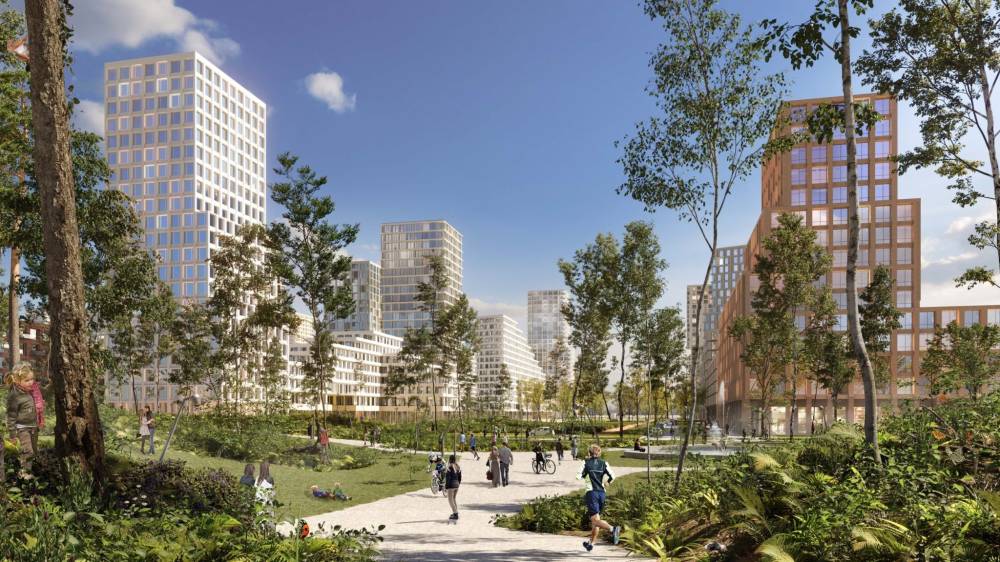
They integrate residential, commercial, institutional, social, and recreational spaces into a cohesive urban fabric. Offices stand next to apartments, and groceries sit beneath your gym—all contained within a community roughly 500 meters across, distances that make walking not only possible but also preferable.
Streets are alive with activity powered by foot traffic, lined with businesses that serve daily needs. Public spaces are not leftover areas but intentional gathering places.
For those of us old enough to remember, it feels a lot like the children’s TV show Sesame Street. It’s a neighborhood where every need is met within a short walk, and every street corner offers a chance for human connection.
But if mixed-use communities are so ideal, why weren’t our cities built this way? Much of the reason is that many “newer” cities—like our own—were developed during the industrial age, when cars became symbols of progress and freedom.
Cities were designed around cars, not people. This led to urban sprawl, with places spread farther apart and roads widened at the expense of walkability.
As foot traffic declined, street-level businesses lost their vitality and ceased to exist. Our cities are now dominated by asphalt and exhaust rather than personality.
The dividends of mixed-use cities
Improved quality of life. By reducing long commutes and traffic, mixed-use communities give back something increasingly rare—time for family, rest, and personal pursuits.
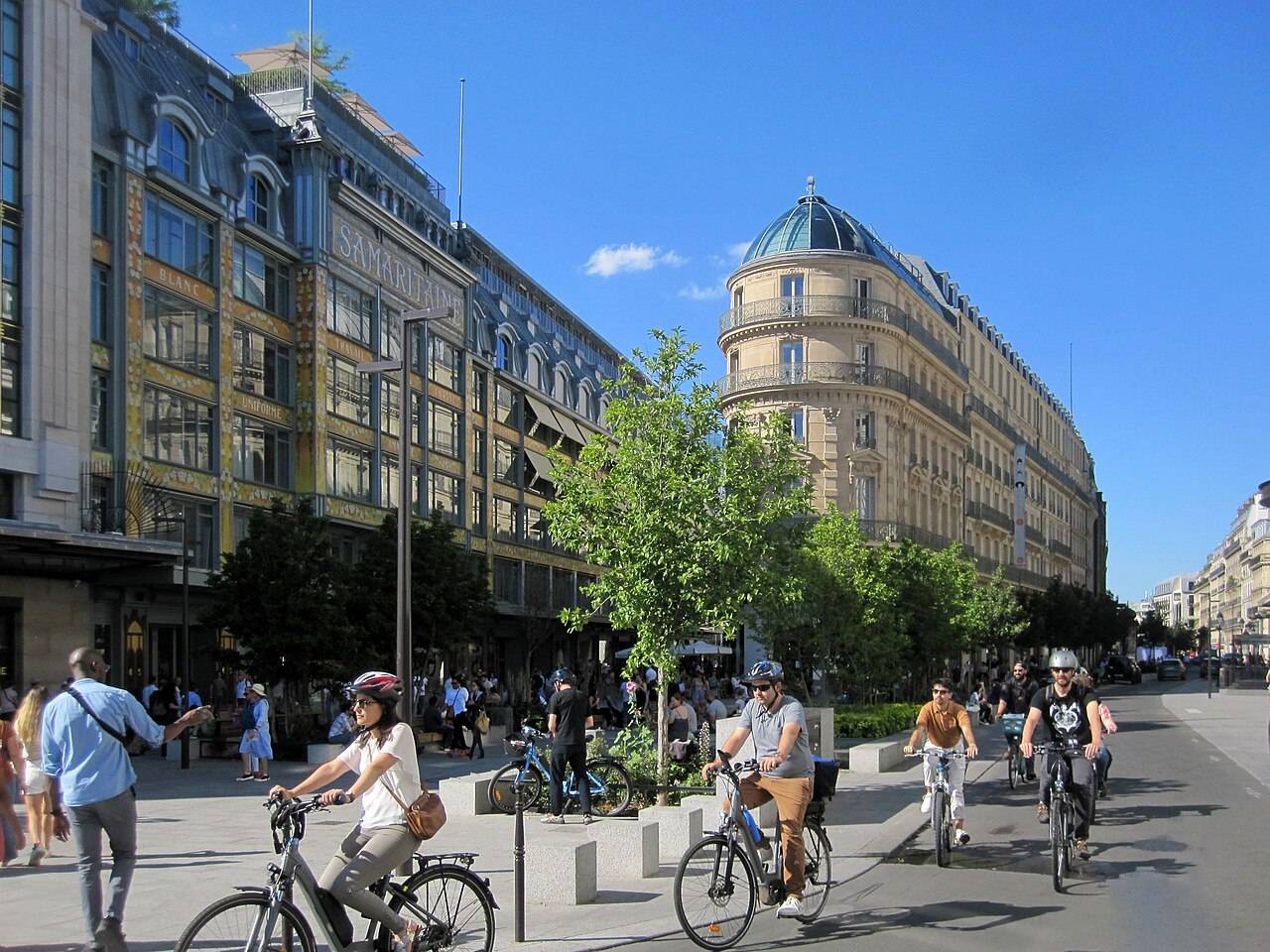
Healthier lifestyle. When walking and biking become the default modes of transport, everyday movement turns into exercise. Research shows that taking 5,000 steps a day can significantly reduce the risk of cardiovascular disease and improve mental health.
Sustainable communities with economic vibrancy. High density vertical planning leaves more room for green spaces like parks. Increased foot traffic supports street-level businesses and services, creating a positive cycle of sustainable growth.
Environment-friendly. More walking and less driving mean lower carbon emissions and reduced pollution. We’re not just cleaning the air, we’re also helping cool the planet.
The path forward
Public awareness. As we educate ourselves and better understand the value and benefits of mixed-use communities, we can advocate for change. It starts with a shift in mindset, and with communities clamoring for better-designed spaces.
Collaboration. Urban planners and architects design our built environment and communities. Dialogue between stakeholders (you) and designers helps build the framework of a community based on people’s need and aspirations.
Legislation and policy change. As constituents, we should urge policymakers and city officials to rethink land use strategies and urban priorities. When regulations evolve to support integrated development, architects and city builders can create better urban environments.
Cities are made for people. Our values, our health, and our time should shape the design of our streets and not the other way around. It’s time we stopped designing for the “rush” and started designing for “rest.”
The author is a senior partner and vice president of Visionarch