










From kubo to condo: Shaping a more sustainable Filipino way of living

Long before sustainability became a global movement, Filipinos were already practicing it in the most natural way possible.
Our ancestors built homes that responded to sun, wind, rain, and the rhythms of the land. These homes did not fight nature—they lived with it.
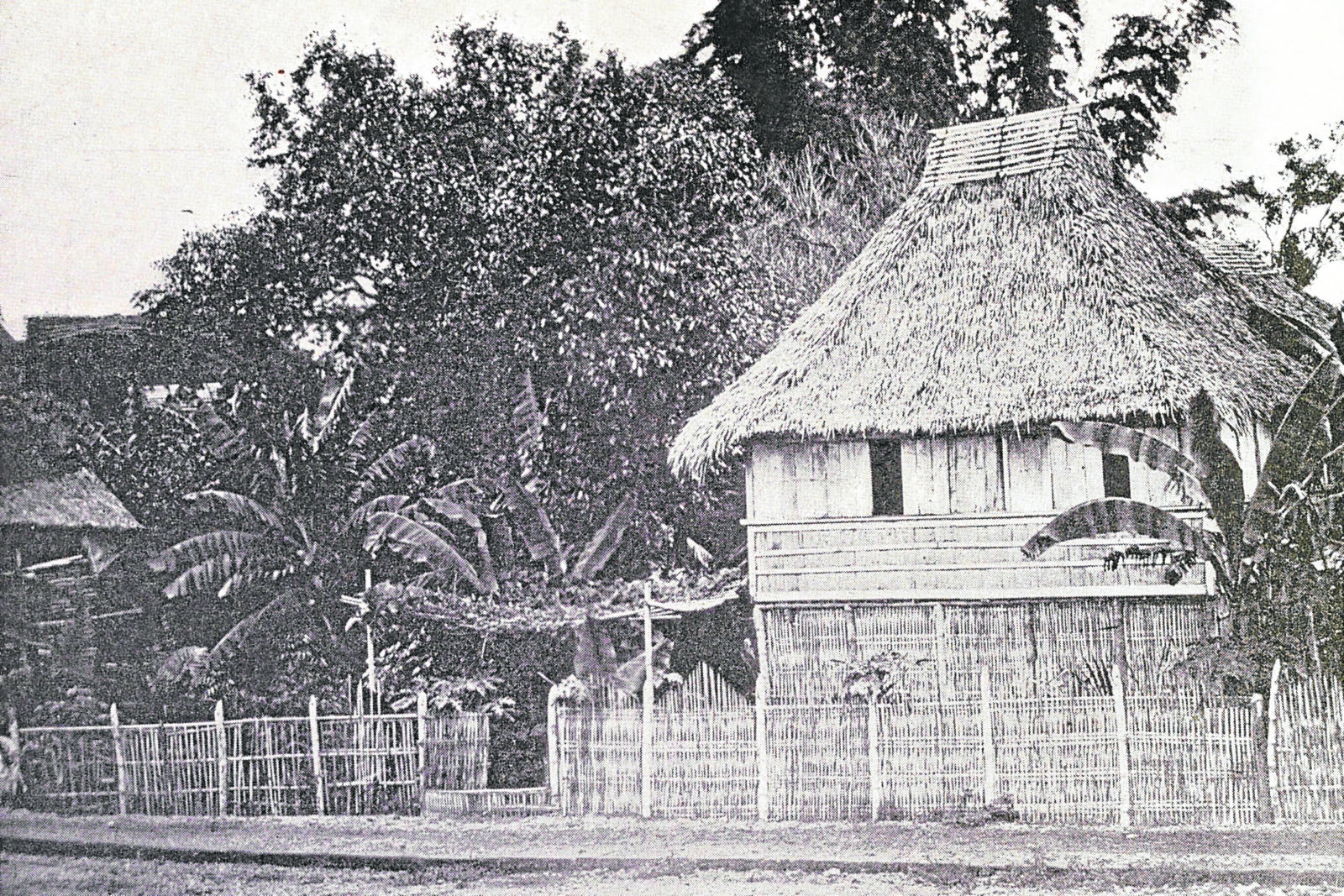
The bahay kubo protected many generations of Filipino families. It stood lightly on the earth, raised on slender stilts that welcomed the breeze and protected it from floods and ground moisture. Its rooflines stretched wide, catching rain and shading interiors. Its walls, woven from bamboo or nipa, breathed with the wind.
Some kubo houses existed as simple dwellings; others formed clusters that were passed down through generations, where neighbors functioned like family and the land was shared as a lifeline.
The kubo was not merely a house. It was a world view—one that understood limits, respected the land, and placed community at the center of everyday life. Even as centuries passed and the Philippines transformed, this wisdom continued to whisper through the structures we built.
Roots: Living with nature
At its core, the bahay kubo is a masterclass in climate-responsive design. Its form anticipated the challenges of a tropical archipelago.
Elevated floors provided ventilation under the house, allowing cool air to rise naturally. Wide eaves deflected harsh sunlight and drive rain. Lightweight walls allowed heat to dissipate quickly, and the roof—crafted from nipa or cogon—insulated the interior from intense midday heat.
Every part of the kubo was made from renewable materials. Bamboo could be replaced in sections. Woven palm panels could be repaired without major demolition. If needed, an entire kubo could be dismantled and rebuilt in a new location—a sustainable practice that modern architecture now refers to as “modularity.”
Yet its most significant innovation was social. The kubo invited openness.
With doors and windows rarely locked, neighbors flowed in and out with ease. The silong below served as a workspace, play area, storage, and shelter for animals. It was a place where meals were shared, repairs were collaborative, and the environment was treated with deep respect.
It was a low carbon lifestyle long before the term existed.
Rise: The city builds up
As the country entered the late 20th century, modernization reshaped the lives of millions.
Roads expanded into rural towns. Factories and offices opened in cities. Families sought new opportunities beyond agricultural land. The shift from rural to urban living changed not only the economic landscape, but also the way Filipinos perceived the concept of “home.”
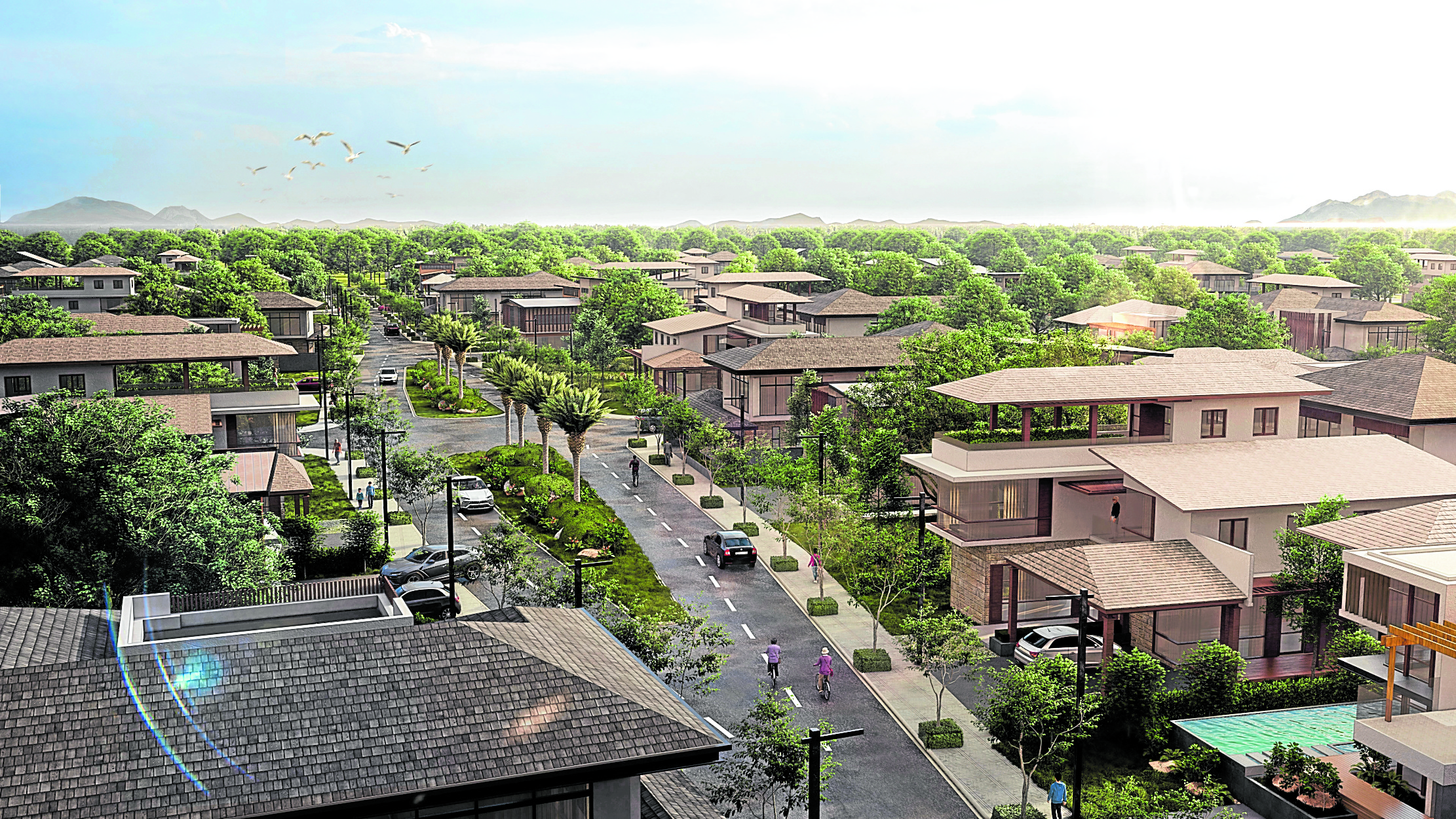
Suburban subdivisions became the dream of many emerging middle-class families. Communities developed by the Ayalas, Ortigases, Gotianuns, and Gokongweis—along with many others—helped define what contemporary Filipino neighborhoods would become.
With paved roads, reliable utilities, carports, landscaped parks, and community centers, these developments introduced a sense of permanence anchored on concrete and steel.
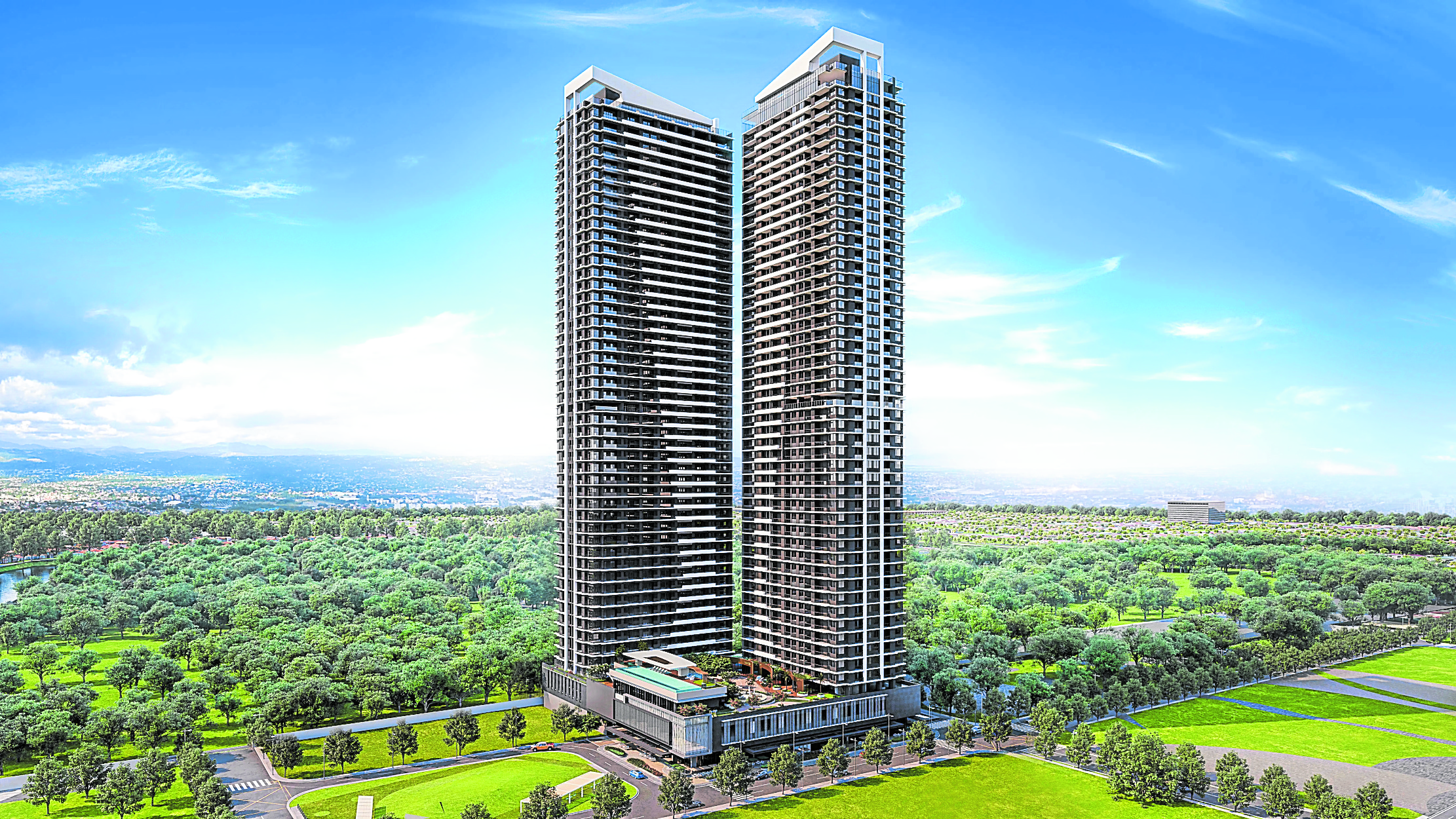
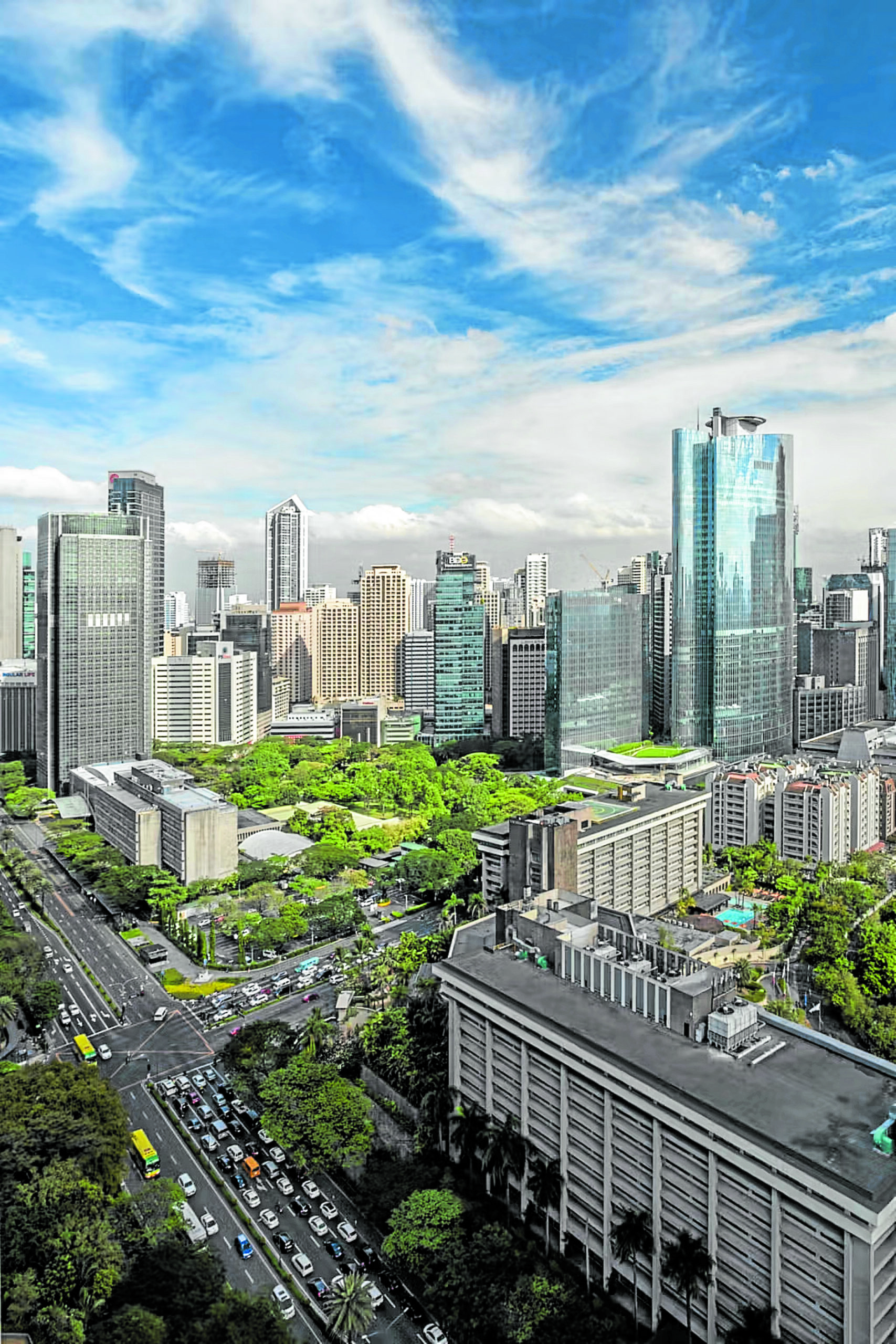
This aspiration continued upward, literally transforming the skylines of Makati, Ortigas, Mandaluyong, and Quezon City.
Vertical communities offered proximity to workplaces, reducing the long commute culture that had begun to shape modern Filipino life. Shared amenities replaced backyard gardens, while building lobbies became the new focal points of neighborhood gatherings.
Mid-rise housing and affordable mass housing communities, developed by government programs, expanded the spectrum further.
Materials evolved from thatch to concrete hollow blocks, from bamboo to steel reinforcement bars, from earthen floors to ceramic tiles. The Filipino home was no longer solely defined by climate. It was also shaped by mobility, efficiency, and the need to accommodate millions in limited urban space.
Rebirth: Smart and sustainable homes
Today, the Philippine housing landscape stands at the intersection of old wisdom and modern innovation.
Climate change, technological advancements, and shifting homeowner expectations have prompted the country to adopt a more conscious and resilient approach to building.
Developers such as Ayala Land, SM Development Corp., Megaworld Corp., Robinsons Land, Filinvest Land, and others are integrating sustainability into their masterplans and residential designs.
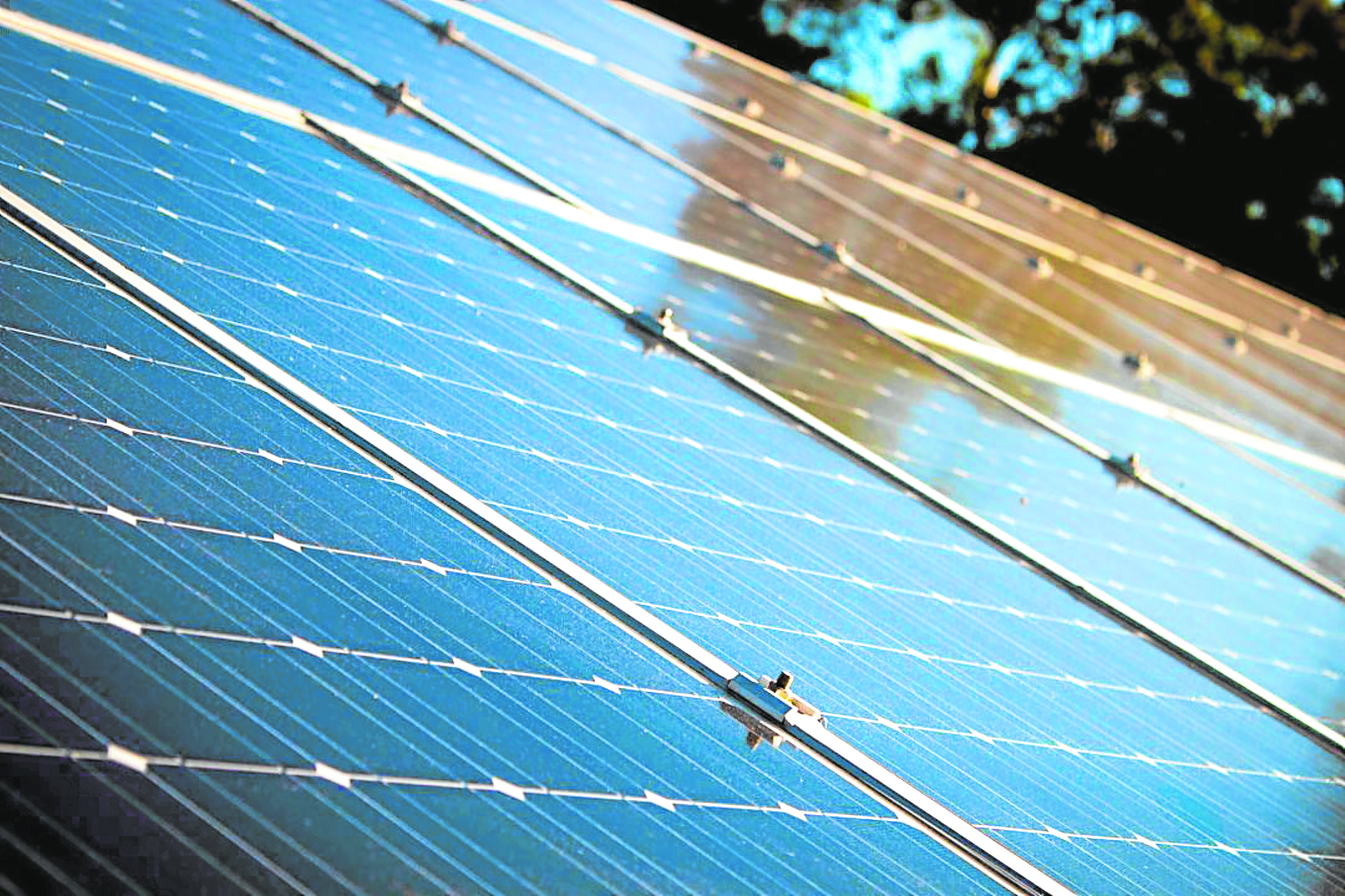
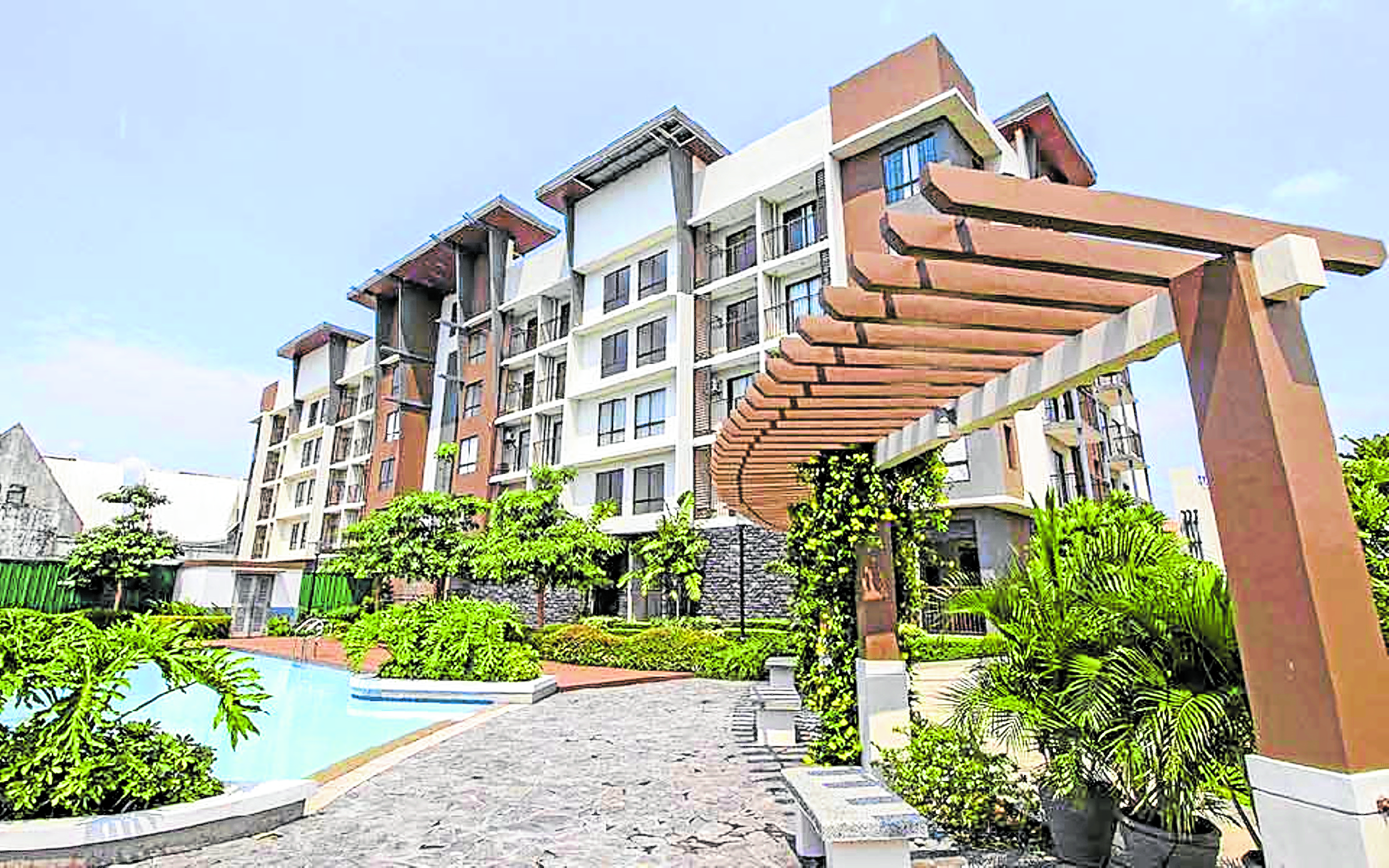
Solar-ready homes, low energy appliances, LED lighting, and better insulated building envelopes are quickly becoming the norm. Stormwater management systems and retention ponds reduce flooding while protecting communities. Open spaces, once lost in dense urban settings, are reintroduced through pocket parks, rooftop gardens, and landscaped courtyards.
Smart home technology has also taken root. Automation systems manage airconditioning, lighting, and security. Sensors monitor indoor comfort. Solar panels and battery storage systems can now power parts of a home independently.
In many developments, entire communities are envisioned as “townships” which are complete ecosystems where walking, cycling, and green mobility are given equal importance to cars.
Yet what makes this evolution remarkable is how it mirrors the kubo’s principles.
Modern homes integrate nature wherever possible, through the use of gardens, vertical greenery, and sustainable materials. They aim to breathe naturally, reduce heat gain, and maximize daylight. The old meets the new, resulting in a hybrid model of living that honors heritage while embracing progress.
Professional organizations–such as the United Architects of the Philippines (UAP) and the Philippine Green Building Initiative–continue to advocate for resilient design, supporting efforts to ensure that Filipino homes remain safe, efficient, and responsive to a changing climate.
Architects and the continuum of progress
Architecture is a story told across generations, and Filipino architects have long carried the spirit of the kubo into new eras.
National Artists Leandro V. Locsin and Francisco “Bobby” Mañosa stand as two pillars whose work shaped contemporary Philippine architecture.
Locsin’s poetic use of concrete created buildings that felt light despite their mass. Mañosa’s celebration of Filipino identity brought bamboo, wood, and native motifs back into the architectural conversation.
Today’s architects continue this lineage with a sense of urgency and creativity. The rising sea levels affecting coastal communities prompted architects to design elevated homes, using materials that can withstand storms.
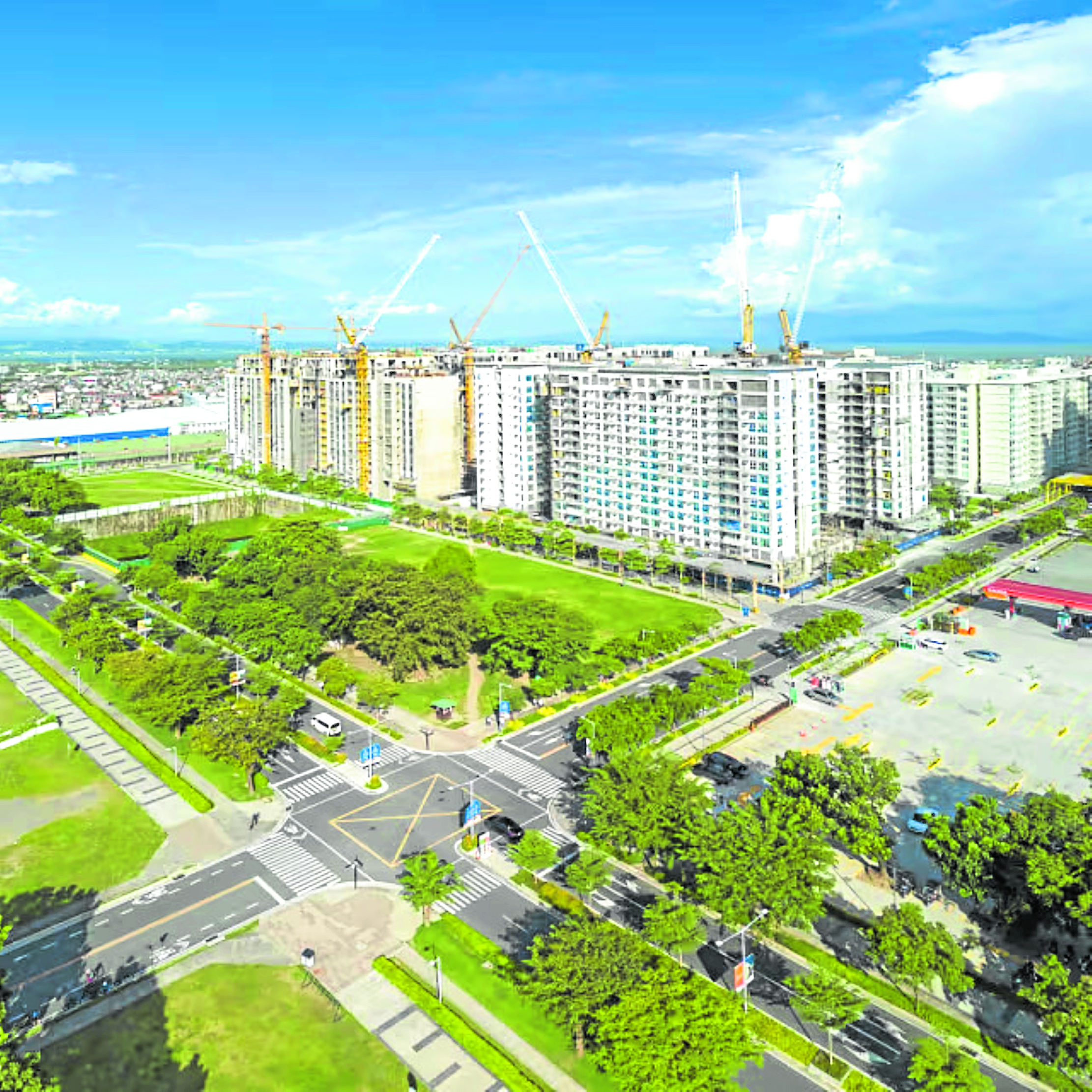
Planners are reimagining mid-rise housing in rapidly growing cities to strike a balance between density and quality of life. There are now more townships and designers integrate walkability, green spaces, and mobility hubs into the urban fabric.
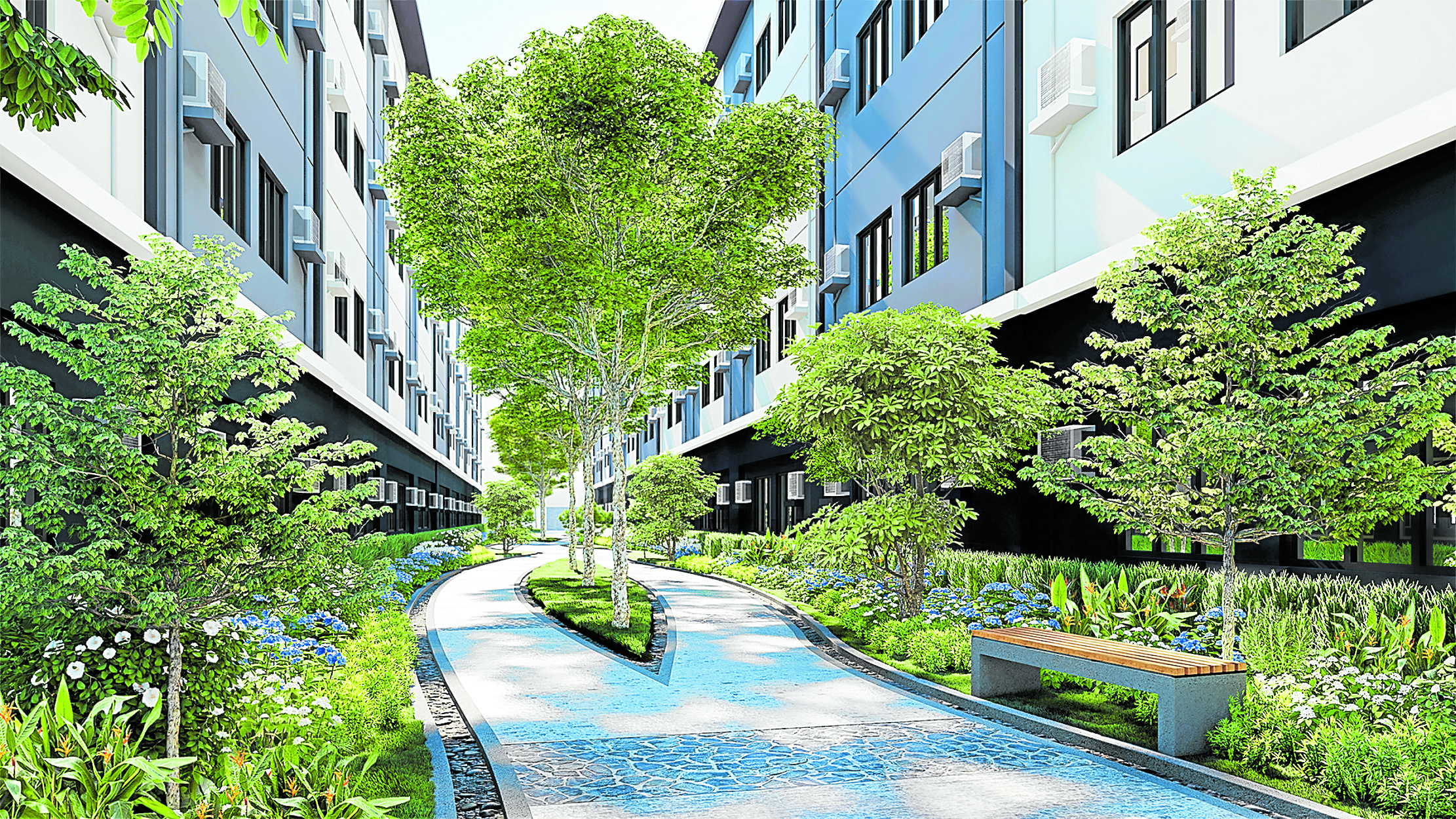
From small socialized housing projects to luxury green condominiums, one principle continues to anchor Filipino architecture: A home must endure, adapt, and care for its inhabitants.
A continuing journey
The evolution of the Filipino home–from a thatched kubo to a concrete house and lot, to a smart, sustainable dwelling–is a reflection of our country’s resilience and adaptability.
It tells a story of families seeking better futures, communities evolving with shifting landscapes, and architects learning from tradition and innovation.
In an age of rising temperatures, stronger typhoons, and growing urban pressures, the lessons of the bahay kubo feel more relevant than ever. Build lightly. Let the wind move through. Welcome the rain. Share space. Strengthen community ties.
Whether a home stands quietly on a rural slope or rises 40 stories above a bustling city avenue, its purpose is the same: to nurture, to protect, and to give dignity.
The bahay kubo survives not as nostalgia, but as a blueprint–reminding us that the best homes are those that respect both people and place.
As we build forward with more innovative tools and greener materials, the wisdom of our earliest home continues to guide us, lighting the way toward a more sustainable, more Filipino future.
The author is a LEED fellow, UAP Notable Architect Awardee, and educator, with more than 25 years of experience in architectural and interior design, corporate real estate, construction, property, and facilities management