










Homes that breathe in the heat

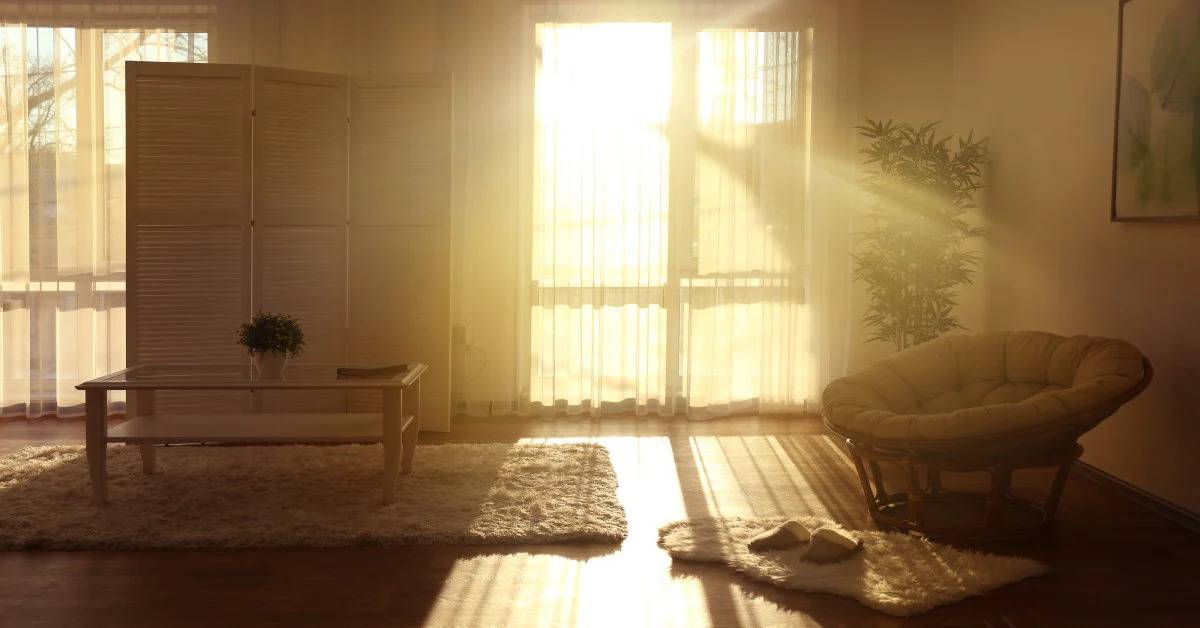
A cooler home is about designing spaces for optimal airflow and light. Orientation, window placement, roof design, and outdoor environment act like an invisible air conditioning system.
Owners familiar with these basics can ask better questions and guide builders to ensure summer comfort.
Reading the sun and the site
The sun in the Philippines journeys high overhead, then leans to the west in the afternoon.
West-facing walls and large windows catch low angle rays that can warm interiors well into the evening. Bedrooms and family spaces are easier to cool when they face east or north, where the sun is gentler by late afternoon.
Service spaces like kitchens, toilets, and storage rooms on the west side act as a buffer against harsh sun. Their smaller windows and heavier finishes absorb heat before reaching main living areas. A few meters and a solid wall can significantly reduce heat during peak sun.
Deep eaves, concrete eyebrows, and simple vertical fins over windows soften direct light and reduce glare. Even at mid-construction, extending a roof overhang or adding a small canopy above a hot window can inject comfort into upper floors that would otherwise feel like ovens by April.
Letting the breeze lead
Think of two openings working as a team.
The entry opening should face the prevailing breeze in your area, often from the northeast or east during Amihan and from the southwest during Habagat. The exit opening can be slightly larger to reduce pressure and pull air through.
Where full windows are difficult to adjust, grilled vents above doors or high louvered panels between rooms keep air moving even when doors are closed for privacy.
Warm air rises, so high level openings are valuable. Clerestory windows, jalousies near the ceiling line, or operable sections at the top of a window frame allow trapped hot air to escape.
Rooms that stay livable
Layout planning shapes living and dining areas where breezes naturally pass, often aligned along the longer side of the lot. Avoid long, narrow corridors with low ceilings that trap heat and encourage stale air.
Stairwells and double height spaces can act as thermal chimneys. When designed with high windows or vent blocks near the top, they pull warm air upward and out. This encourages cooler air to slide in at ground level, where the family spends most of its time.
Even a small open to sky court beside the stairs helps exhaust hot air and bring light deeper into the plan.
Roofs and walls as shields
The roof receives the strongest sun in a tropical home.
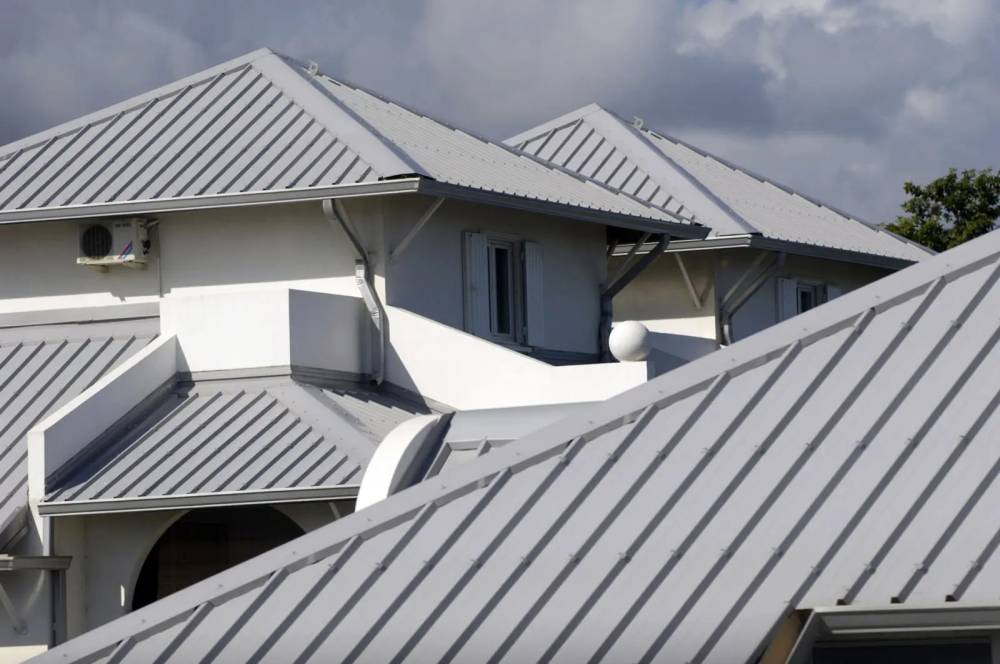
Thin metal sheets without insulation heat up quickly and radiate warmth into bedrooms below. A roof assembly with an air gap, reflective paint, and insulation above the ceiling slows this heat journey into the interior.

Light-colored roofing reflects a larger portion of solar radiation than dark finishes. Beneath the roof, ceiling insulation such as fiberglass, rockwool, or even locally available rigid boards reduces heat transfer.
Hollow-block walls with proper plastering on both sides outperform thin, single-layer partitions exposed to sunlight. Exterior paint in pale or earth tones absorbs less heat than dark hues. Textured finishes may create shadows that lower surface temperature and add visual interest.
5 Shade greenery and outdoor layers
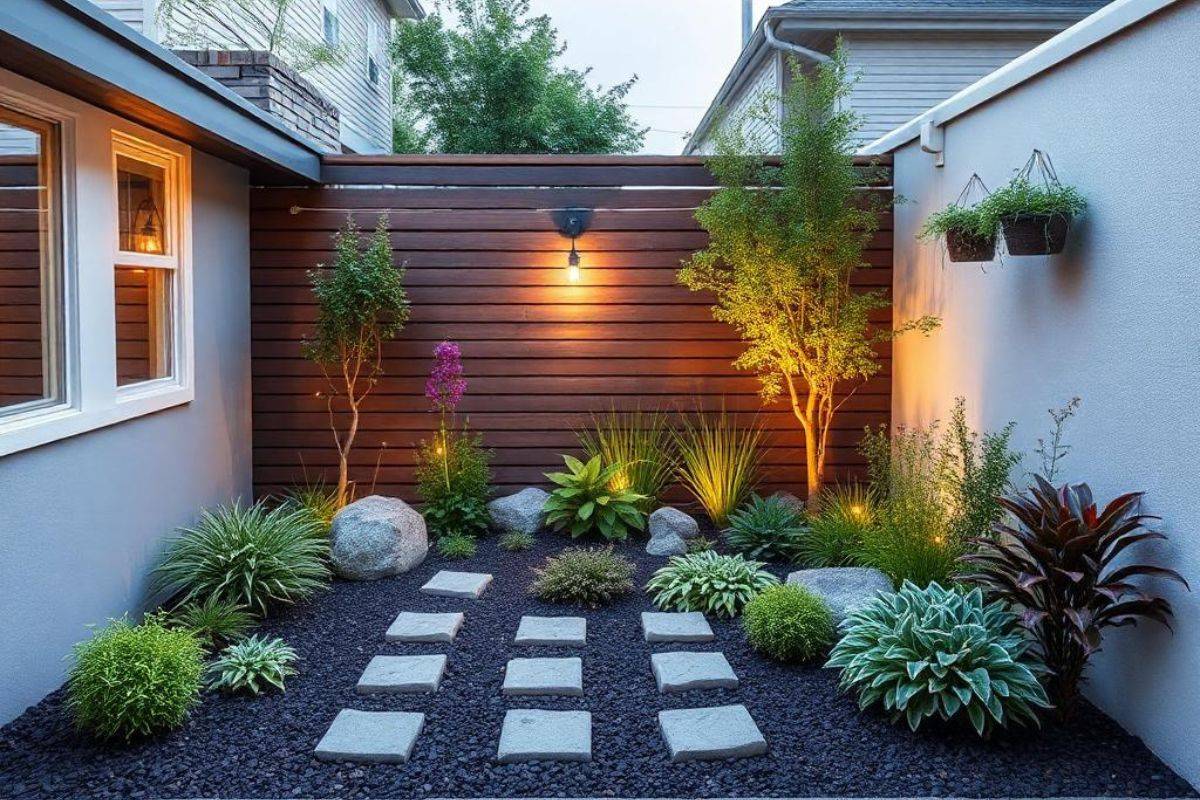
The land around the house acts as a first defense against summer heat. A shade tree on the west cools the air near windows and blocks direct sunlight. A small garden with shrubs and ground cover also reduces reflected heat compared to bare concrete or asphalt.
Semi-open spaces such as verandas, covered terraces, or carports with ventilated sides act as buffer layers. These spaces cast shade on walls and windows while remaining breezy and useful for everyday activities.
Rather than enclosing these areas with solid walls and glass, designing them to breathe keeps adjacent rooms cooler.

6 Light color and finishing touches
Fabrics and furniture also influence comfort.
Sheer curtains combined with heavier drapes give flexibility for daytime glare control and night privacy. Blinds with reflective backing help reduce solar gain on exposed windows. Ceiling fans stir the air, allowing occupants to feel cooler at slightly higher thermostat settings, which eases the load on mechanical cooling.