











The case for calling Pasig home


Many say it is one of the country’s underrated urban gems.
If Metro Manila’s highly urbanized cities were siblings, Pasig City is probably the quiet, unassuming one but with a truckload of potential.
It has often been eclipsed by other cities in the metropolis and was generally known only for two things: the PhilSports Arena (or Ultra, for Gen X-ers) and the daily traffic that cuts through the city’s main roads.
In recent years, however, Pasig has become the apple of the eye of homebuyers, renters and investors. From its central location to how it is run by its local leaders, the city has found itself at the top of the list of many who are looking to have their own space in the country’s capital.
Here are some reasons why Pasig makes for an ideal address.
Good governance
Having trustworthy and efficient public officials seems like an impossible reality for many places in the Philippines but not for Pasigueños.
Its mayor, Vico Sotto, has gained immense popularity for pushing for transparent and accountable governance. The city’s local government practices zero tolerance for dishonest officials and anomalous activities.
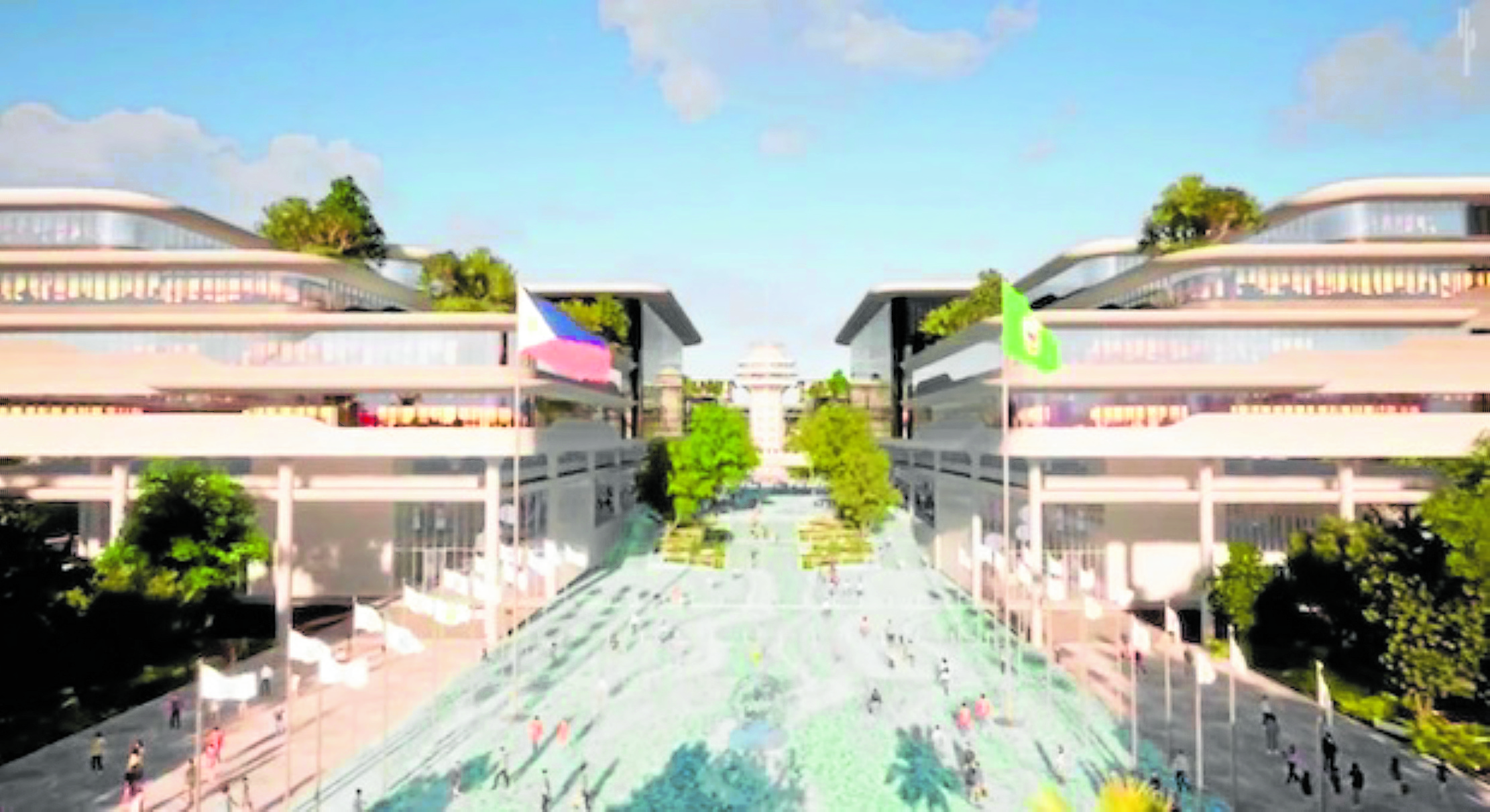
Pasig is in the top 10
Highly Urbanized Cities in the Philippines, according to the Cities and Municipalities
Competitiveness Index (CMCI). This affirms the city position as an ideal investment location with good public service and robust infrastructure.
Just this year, Pasig was one of 24 cities from around the world to be recognized in the Bloomberg Philanthropies Global Mayors Challenge. The competition called for local governments of cities around the world to come up with innovative solutions to core city problems.
Location
Pasig is situated well within Metro Manila and accessible to the central business districts of Makati, Ortigas and Bonifacio Global City.
Commuting to neighboring cities such as Quezon City, San Juan and Marikina is likewise easy. Pasig also shares a direct border with the province of Rizal.
What’s interesting about Pasig City is that even if it is very urban, many residents share that it still has a homey and suburban feel.
‘Green City’
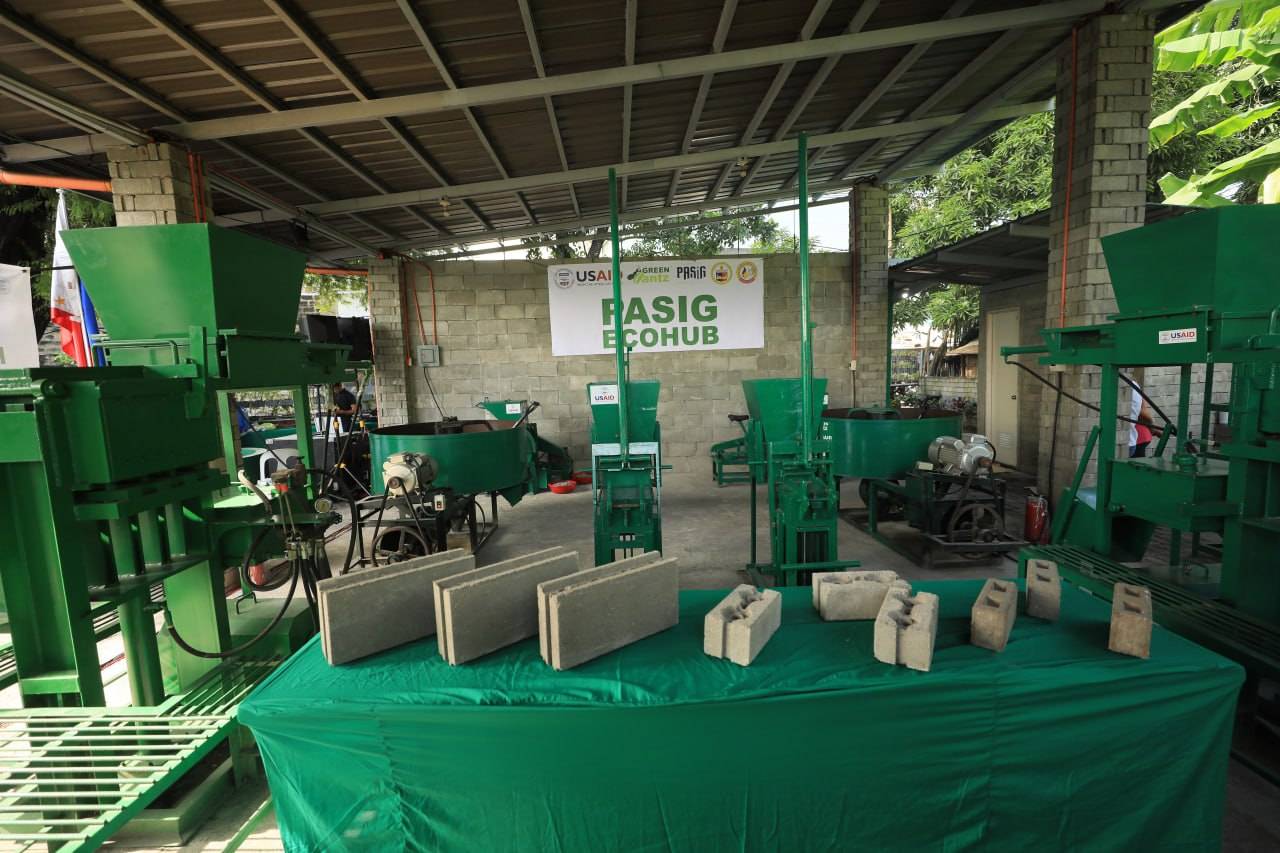
The city government enforces green initiatives such as the reduced use of plastic and use of cleaner and active transportation. It also has disaster management programs in place to reduce the risk of flooding. Residential communities meanwhile have access to pocket parks and green spaces.
For the Bloomberg Philanthropies Global Mayors Challenge, Sotto and his team proposed to build more open spaces in the city by transforming moored barges along the Pasig River into floating green parks. These will provide the public with more areas for recreation and exercise as well as spaces for essential community services such as libraries and health clinics.
As far back as 2013, Pasig was already recognized as among the most livable cities in the world by the International Awards for Liveable Communities.

LivCom Awards is a United Nations-backed international competition for local communities, focusing on environmental management, sustainable development and the creation of livable communities. It evaluates cities on how well they integrate best practices and innovation to improve quality of life.
Hub of premier institutions
Pasig hosts quite a number of reputable schools such as Pasig Science High School, St. Paul College-Pasig, University of Asia and the Pacific, Pamantasan ng Lungsod ng Pasig and Rizal Technological University.
It is also home to one of the country’s top hospitals, The Medical City, as well as global and regional powerhouses such as the Asian Development Bank, San Miguel Corp. and Jollibee Foods Corp.
A shopper’s and foodie’s paradise
Pasigueños don’t have to go far to shop for essentials or indulge in culinary delights as it is home to a number of large scale shopping destinations and commercial centers.
Pasig City is home to Panaderia Dimas-Alang, a heritage bakery that has been rolling out mouth-watering pandesal, pan de bonete, brazo de mercedes straight from its ovens since 1919. Kapitolyo meanwhile counts as among
Manila’s culinary meccas with its abundance of hole-in-the-wall restaurants and trendy cafés. There are budget and high-end options, too, so diners are spoilt for choice.
It is thus not hard to imagine why many see Pasig City as an ideal address in the metro. It offers quality of life and excellent connectivity with a flourishing economy and a highly efficient local government that actually serves its people.


