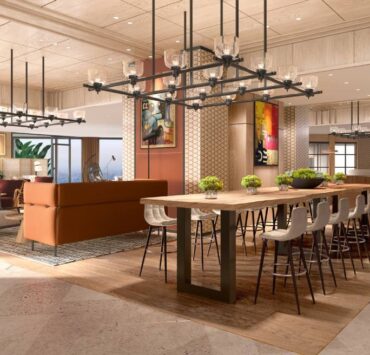











The power of connected communities

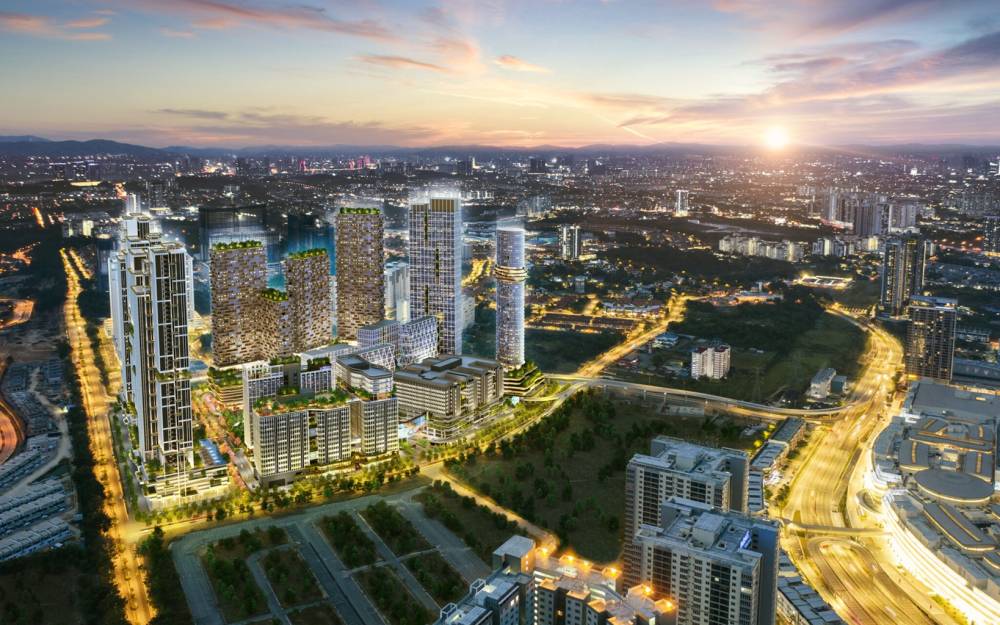
Are you tired of a life where you sleep in one place, work in another, and drive to a third for leisure? Wouldn’t it be better if you could just do all these things in one place?
These are the concerns that an integrated, multifunctional community seeks to address. More than just urban design, this model is about engineering a lifestyle that is business-friendly, sustainable, and deeply human-centric.
The economic engine
We’ve all witnessed traditional business districts becoming “ghost towns” after work hours.
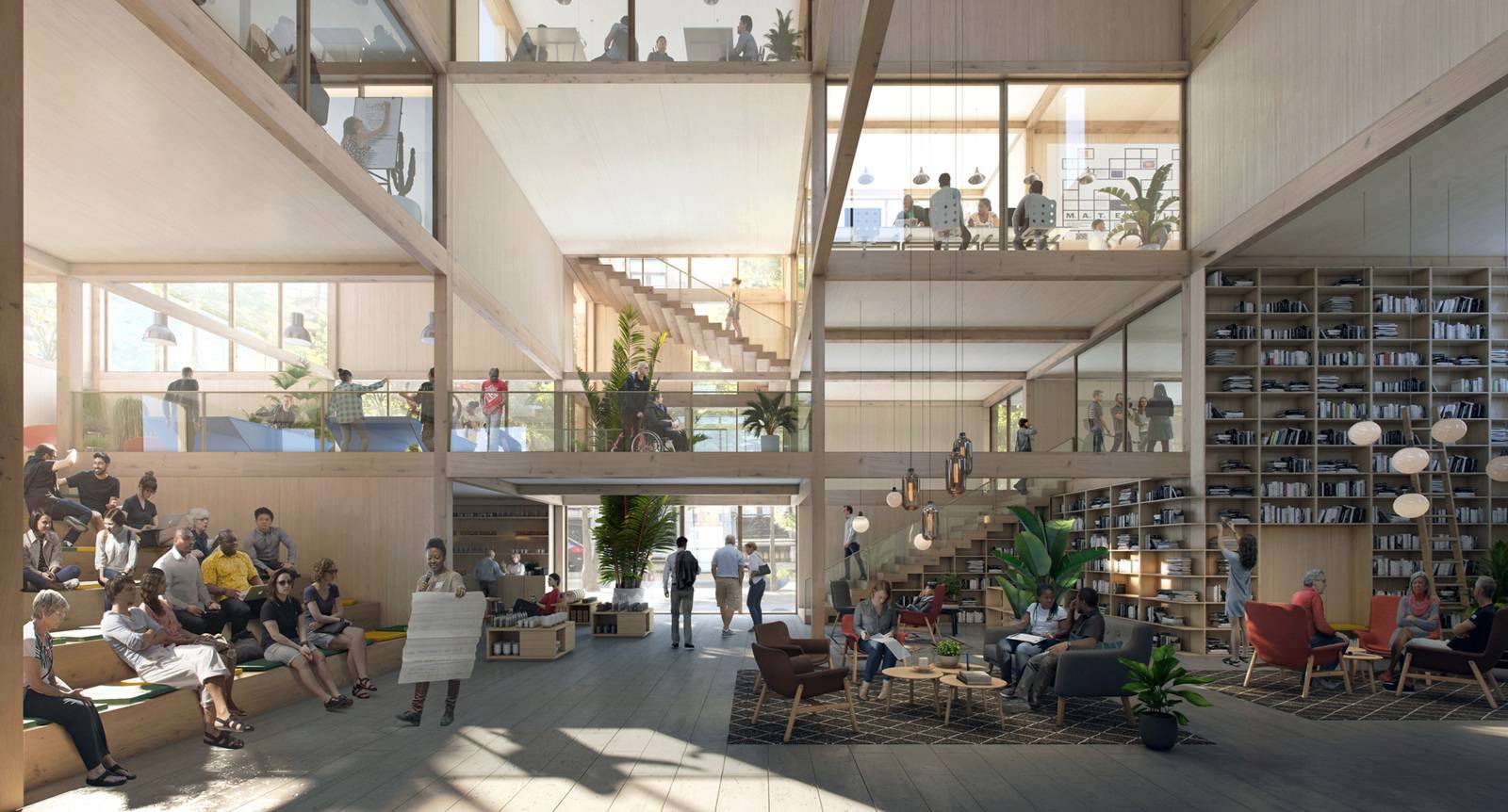
Through integrated communities however, a 24-hour ecosystem is created as activity continues beyond office hours.
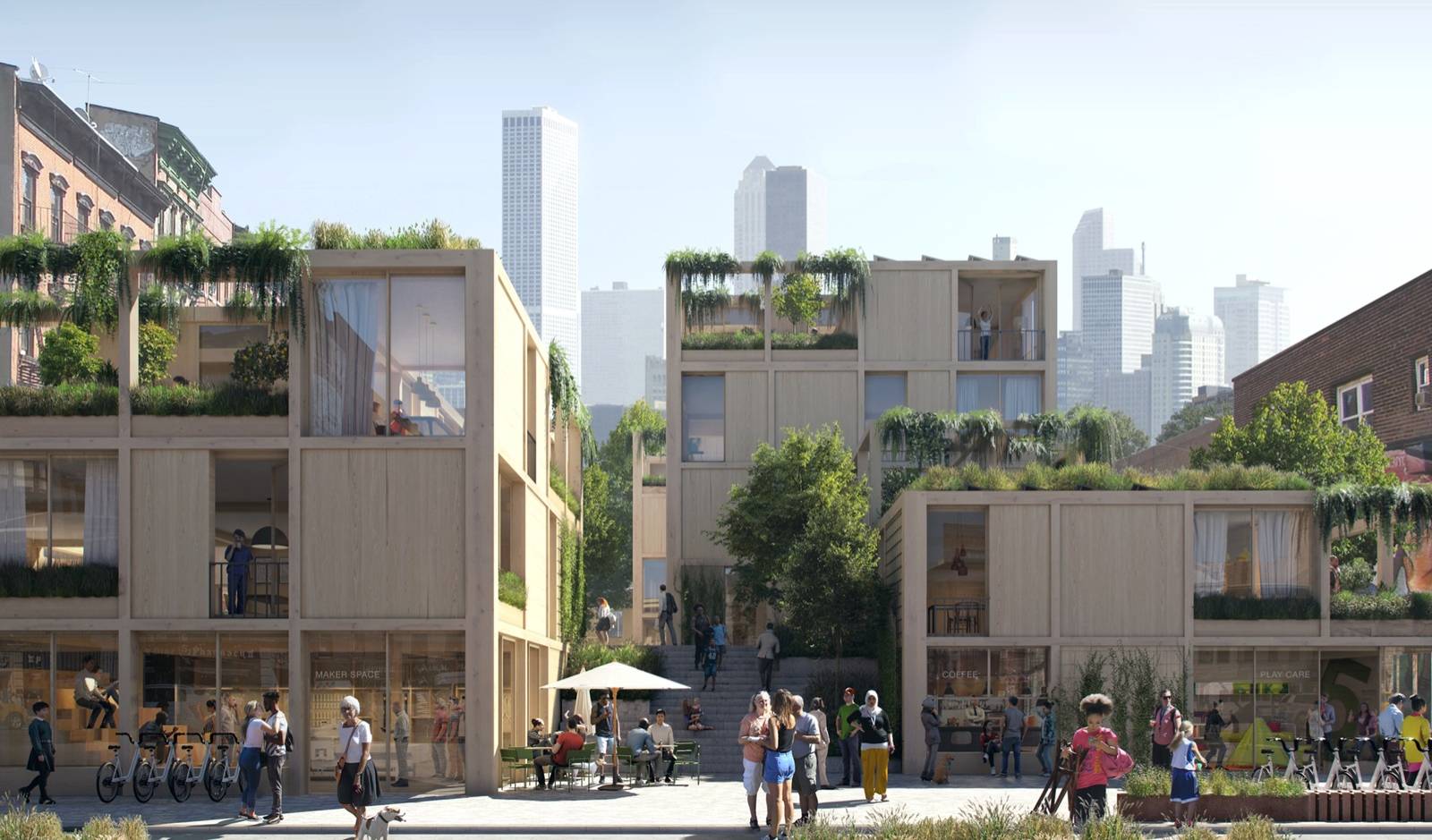
When office spaces are nestled alongside apartments, cafes, and parks, local businesses benefit from a constant flow of foot traffic. Those who work and live within these communities become the primary customers for these entrepreneurs.
This concept of a “circular economy” favors companies, as these hubs become recruitment goldmines. The modern workforce, which prioritizes “place” over “paycheck,” prefers employers located in vibrant, walkable areas with establishments designed to provide a cozy experience.
The sustainability factor
Density, mixed land use, proximity, sustainable transport, and green spaces are among the benefits of integrated communities with regard to sustainability.
By condensing life’s essentials within a “15-minute radius,” people are encouraged to walk rather than drive, helping reduce carbon emissions.
Integrated communities utilize “upward” growth through high rise condominiums, apartments, and offices rather than “outward” sprawl or the need for hectares of land to build a town, thus preserving the surrounding natural environment.
These dense communities benefit from shared infrastructure such as centralized waste management or district cooling that operates with thermal and energy efficiency, which standalone suburban homes cannot match.
The social glue
Another benefit of integrated communities is the “social return on investment.”

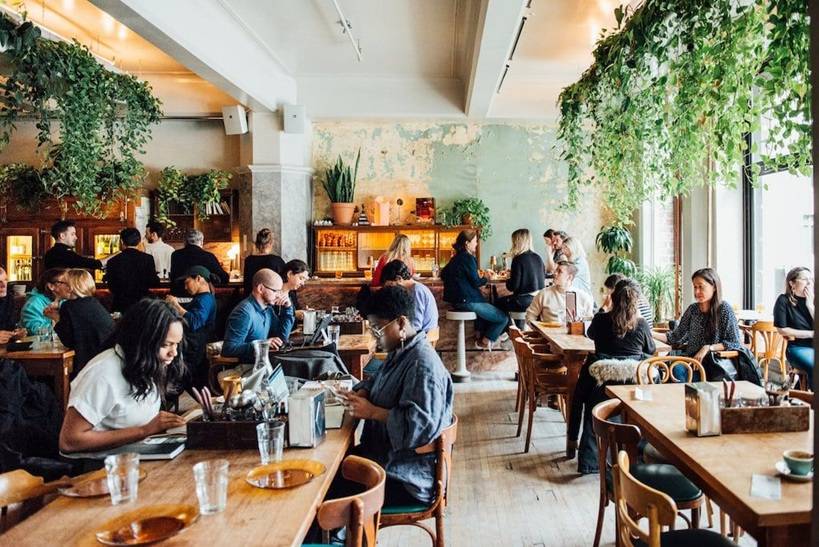
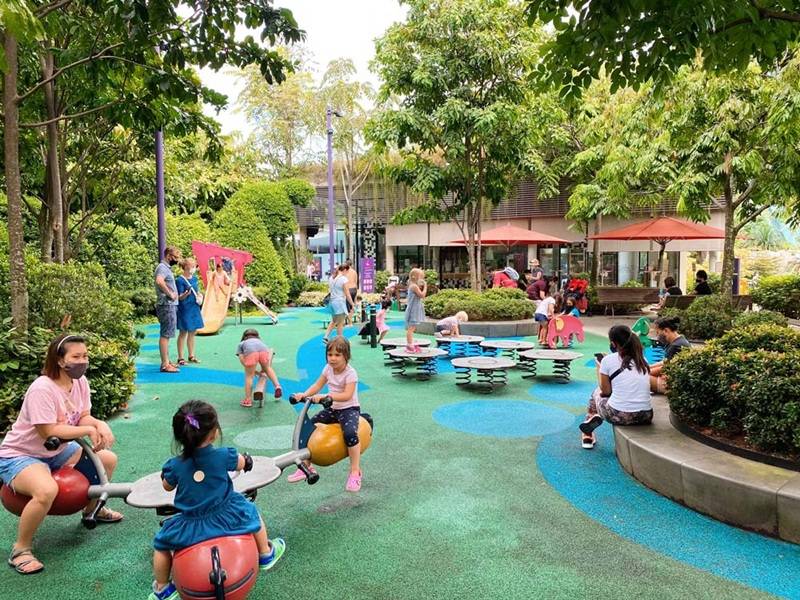
Think of a condo development right above a community mall, with a public park just a few steps away. This creates “third spaces,” or spots that aren’t home or work, where people stay and spontaneous interactions occur, allowing connectivity to act as an antidote to the modern epidemic of urban loneliness.
Here, a quiet garden, a safe playground, and a co-working café, among others, may be found within the same block, woven into the residential fabric while contributing to a person’s well-being.
The bottom line
Connected communities provide a shift from “surviving the city” to “thriving in the neighborhood.”
Business interests aligned with environmental stewardship and human well-being help create spaces that allow people to flourish.
The author has more than 20 years of expertise in designing interiors for homes, offices and retail spaces. Experience his designs by contacting him at +639178860983