









The rise of the ‘better life’ address

For many years, real estate followed a simple rule: location is everything.
The closer a project was to business districts, major roads, and commercial centers, the more valuable it was assumed to be.

More flexibility
But recent changes in how we live and work are quietly challenging this idea.
Personally, I find it refreshing that today’s environment offers more flexibility. The ability to work remotely when needed, access services online, or choose where to spend productive time shows how convenience is no longer tied to a single address.
In many ways, location today is becoming less about distance and more about access.
In practice, we are seeing different questions being asked. Instead of simply asking how close a project is to a central business district (CBD), some now ask whether the environment supports a better quality of life. Is the community walkable? Is there access to open space? Does the daily routine reduce stress rather than add to it?
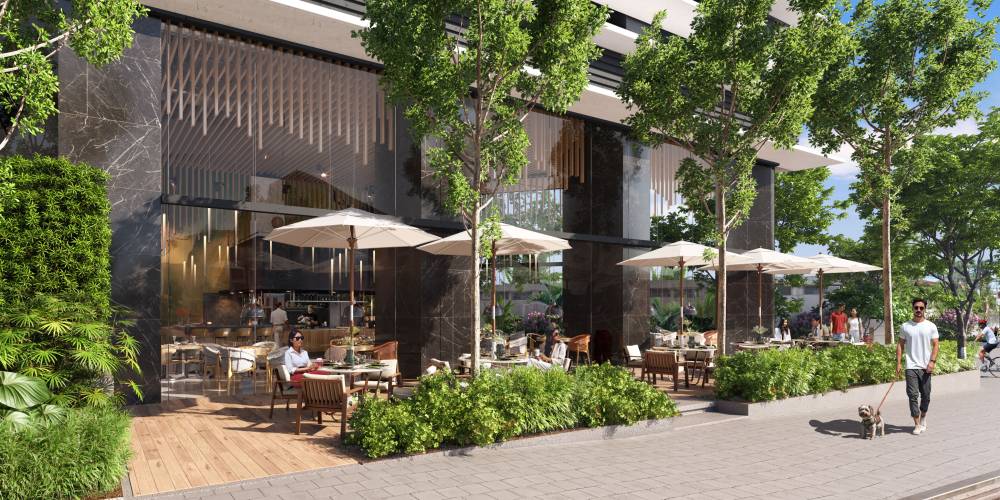
Price of better living
Of course, quality still comes at a price. Just as better materials, better design, and better environments cost more to build, properties that offer healthier surroundings, better access, and greater convenience will naturally command higher value.
This is not surprising. In many ways, what we are seeing is simply the market recognizing that better living conditions are worth paying for.

At the same time, long-term value is beginning to consider resilience. Environmental risks, infrastructure reliability, and adaptability to changing needs are becoming just as important as visibility or address.
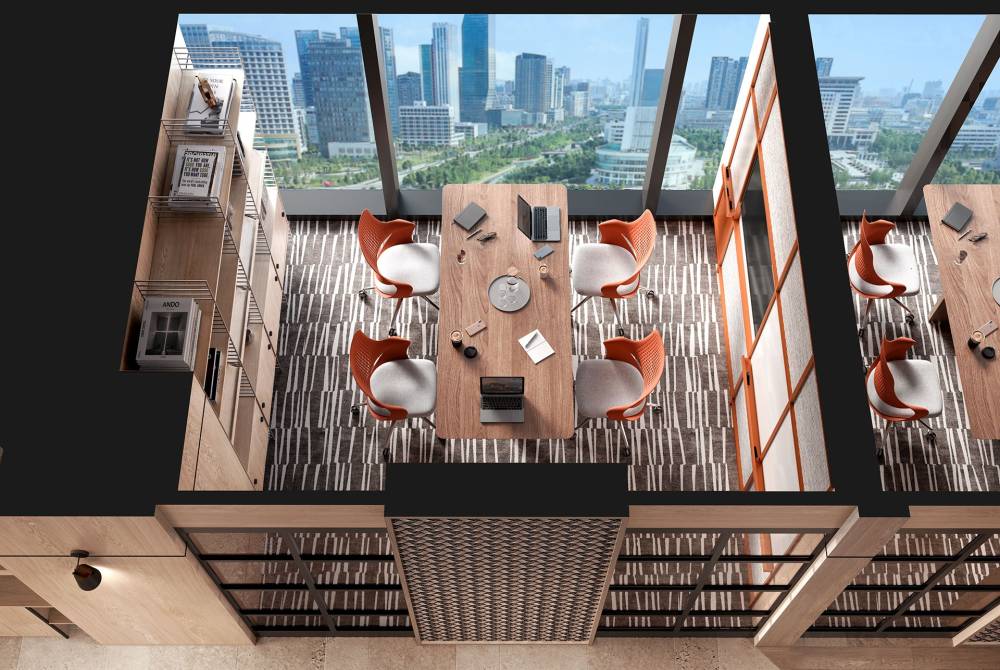
Evolving notion of good location
Location still matters. But perhaps what we mean by a good location is evolving. It may no longer be defined only by proximity to business activity, but by how well it supports everyday life.
In the end, the most valuable locations may not simply be those at the center of cities, but those that allow people to live better lives.
The author is a LEED Fellow, ASEAN Architect, and educator with over 25 years of professional practice in architecture and sustainability