










Villar City: A city designed for the future

Advantage, they say, favors the future ready.
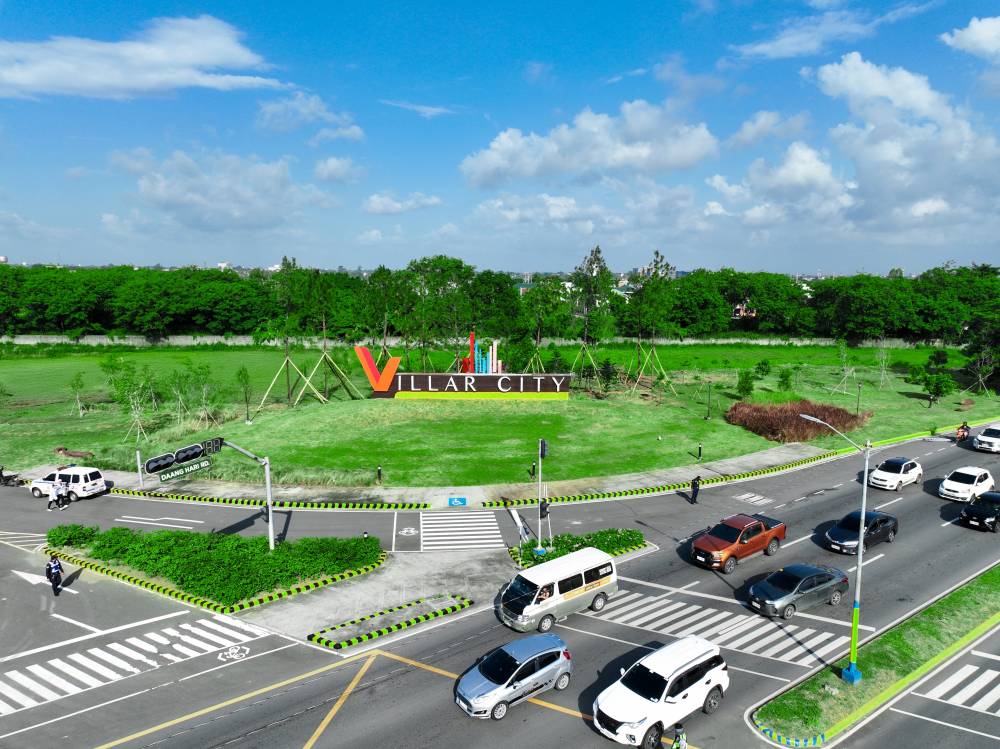
And nowhere is this becoming more evident than in Metro South, where Villar City is rising as a modern megacity spanning 3,500 hectares across Metro Manila and Cavite.
Designed with the future in mind, Villar City reflects the evolving needs of urban life, where longer commutes, scattered business districts, and rising lifestyle expectations are driving demand for more connected, self-contained communities. But with the thoughtful integration of mobility, commerce, homes, and green spaces, the megacity is now designing the next urban advantage in the South.
And this is timely, considering that many urban areas are expanding unevenly, with commercial hubs emerging ahead of infrastructure and communities growing faster than opportunities. The challenge today is no longer just progress but how that growth is planned and guided.
Powering growth
Against this backdrop, Villar City is taking a more structured approach to expansion, choosing to focus not just on scale, but also on how opportunity is distributed.
Rather than concentrating activity in a single center, the megacity is being shaped as a network of 16 thriving districts, including emerging hubs like Evia, Forresta, Emporia, and University Town, among others.
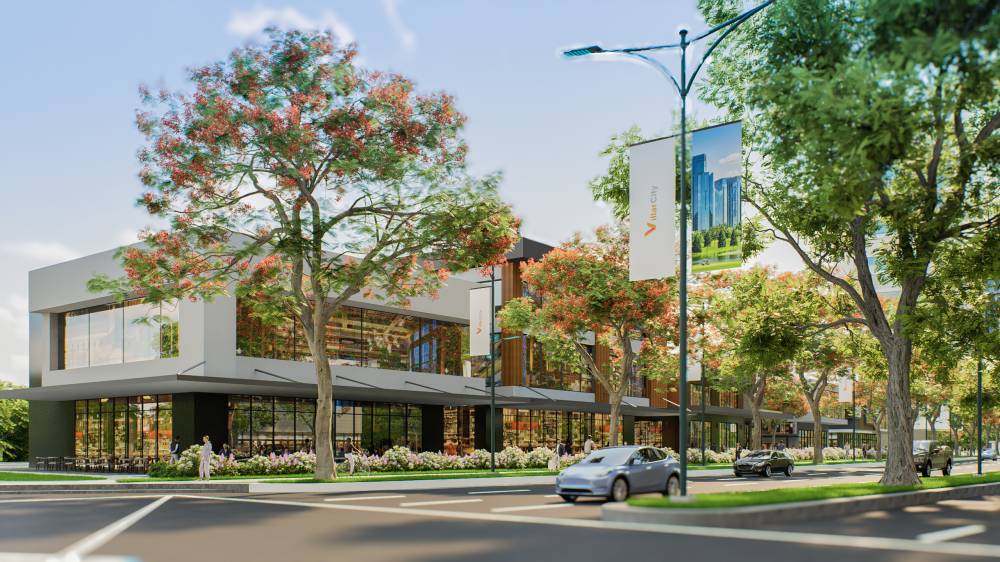
Grouped into larger clusters, these help spread economic activity more evenly, reflecting how modern regions are now evolving into interconnected centers, instead of relying on one dominant downtown.
By bringing homes, workplaces, retail hubs, and leisure destinations closer together, Villar City is creating a more convenient urban experience for residents, businesses and guests.
A strategic edge
At the core of this convenience is a mobility system built to connect the entire megacity.
An internal road framework anchored by the 18-km, 10-lane Villar Avenue links districts through major crossings. Establishing this network early allows new developments to plug into a functioning circulation system rather than rely on later road adjustments.
For businesses, this enhances access to markets and talent. For residents, it reduces the friction of everyday travel, a meaningful advantage in a region where time spent on the road helps shape lifestyle decisions.
Creating everyday destinations
Similarly, retail and business activity in Villar City is expanding across multiple hubs.
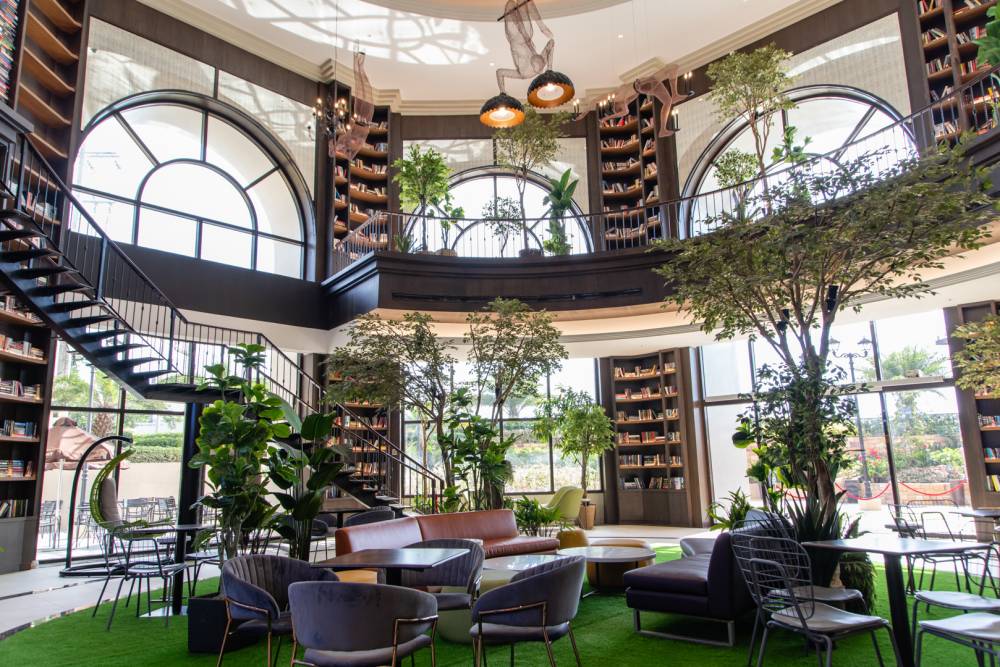
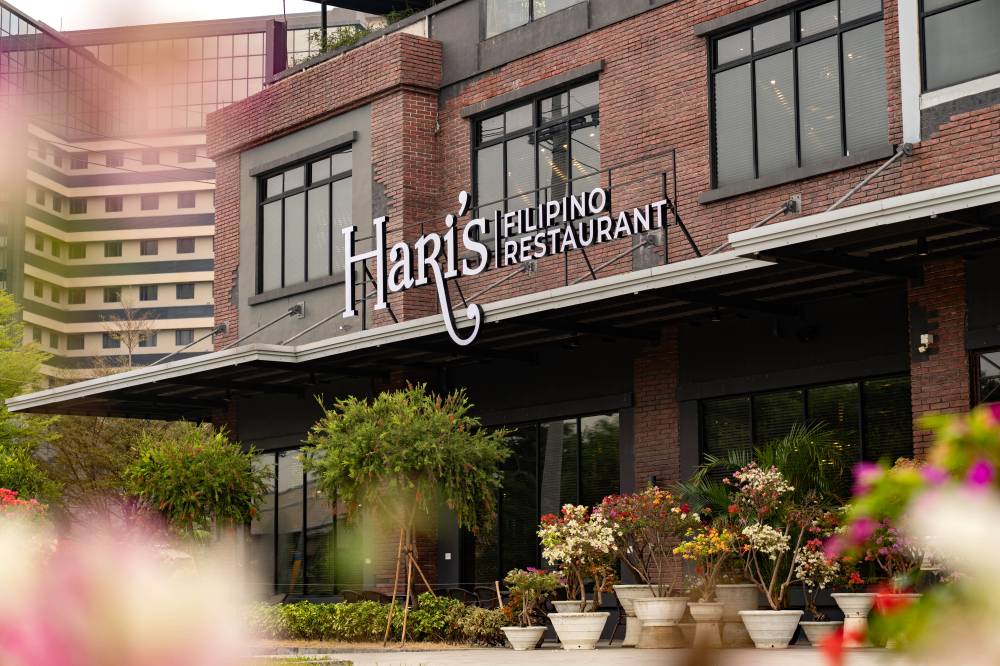
Lifestyle and retail nodes—which include Vista Malls, lifestyle centers, and commercial strips across Metro Manila and Cavite—are forming a connected map of places to dine, shop, and gather. Complementing these are stand-alone dining concepts such as Forresta Café, Hari’s Filipino Restaurant, and a number of upcoming establishments, which will create even more reasons to explore the different districts of Villar City.
For businesses, such an expanding network allows them to tap into multiple catchment areas in one master planned environment while ensuring that daily conveniences remain close to home.
Fueling economic momentum
The rise of new business and lifestyle hubs, in turn, is enhancing Villar City’s residential appeal.
From established enclaves like Portofino to upcoming communities such as Brittany’s Elara and Ardenne, Crown Asia’s Pontello, and Novus Prime Residences, Villar City’s residential mix is steadily expanding, offering options that cater to different lifestyles and life stages.
These communities are being integrated within the megacity, enabling residents to enjoy greater convenience and connectivity as Villar City continues to develop.
Shaping city appeal
Beyond commerce and housing, Villar City is investing in experiences that influence how people spend their time.
Planned developments such as The Stadium at Villar City—featuring a FIFA-standard football arena and multi-sport courts—alongside two upcoming 18-hole golf courses are expected to draw sporting events, hospitality activity, and regional visitors.
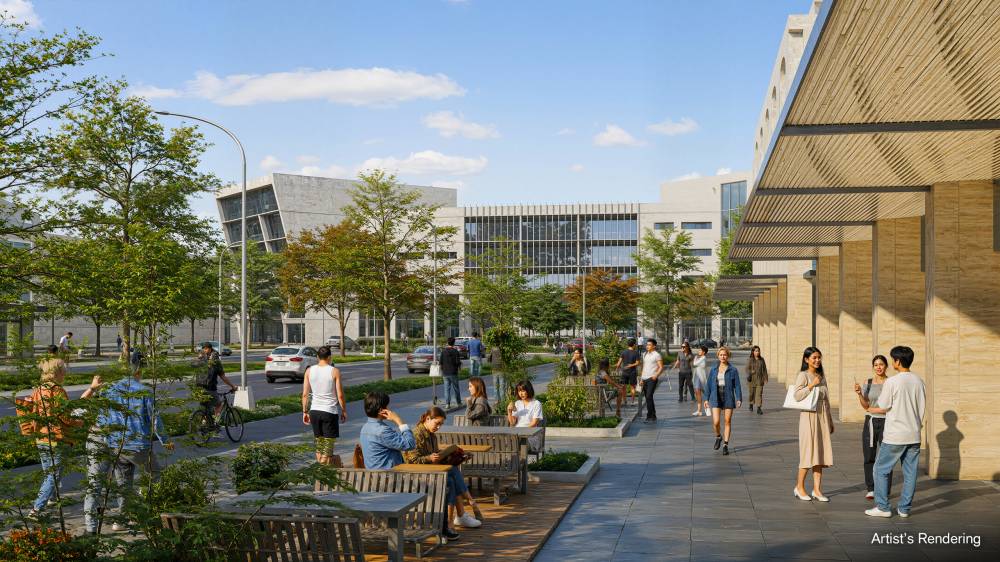
Parks like Emporia Active Park and the Heritage Tree Nature Park provide spaces for recreation and community interaction outside traditional commercial settings. More than 432,000 trees have also been planted across Villar City since its launch, creating shaded streetscapes and more walkable districts.
Such investments reflect how cities today also compete on the quality of life they offer.
Indeed, as Metro South continues to evolve, Villar City emerges as a defining model for how future Philippine cities can and should be built—not as scattered clusters of developments, but as connected communities designed for the future of urban living.