







Geopolitical risks sent FDIs falling to 4-mo low in Jan

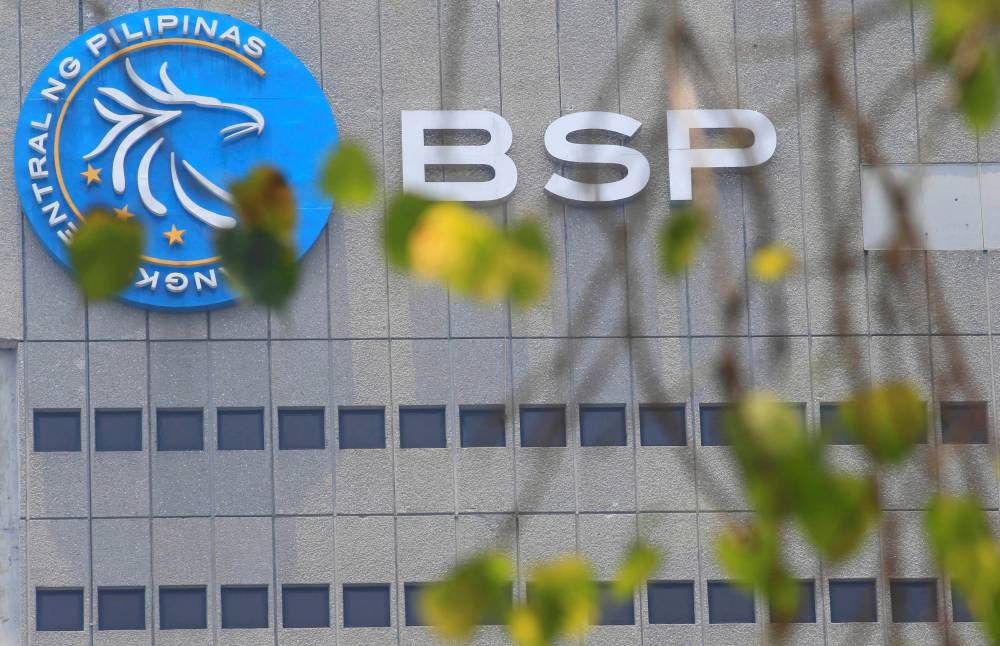
Foreign direct investments (FDI) into the Philippines dropped to a four-month low in January, marking a subdued start to a year being shaped by a historic oil-price shock and geopolitical turmoil that have unsettled investors.
Latest data from the Bangko Sentral ng Pilipinas (BSP) showed FDI inflows had beaten outflows by $443 million during the month. Even so, that was the smallest net inflow since September 2025, when the net gain hit $316 million.
Unlike foreign portfolio investments, which can vanish at the first sign of trouble, FDI tends to represent longer-term commitments that create jobs and support industrial growth. That said, the government has been working both to attract new investment and retain those already in the country.
In a statement, the BSP said the slump suggested that “rising geopolitical risks are weighing on investor sentiment.”
Robert Dan Roces, group economist at SM Investments, shared the same view. “FDI slowed mainly on timing—fewer big reinvestments and softer intercompany flows—plus cautious sentiment from high global rates and geopolitical noise,” he said.
Dissecting the central bank’s report, equity capital—a measure of new FDIs—sagged nearly 9 percent from a year earlier to $93 million, while investments that headed for the exit rose 57 percent to $22 million. This yielded a net equity inflow of $70 million, down by 20 percent.
Equity capital placements were sourced primarily from Japan, the United States and South Korea. These investments were channeled largely into the manufacturing, real estate, and wholesale and retail trade industries.

Intercompany borrowings between multinational firms and their Philippine subsidiaries—which accounted for the bulk of FDI—declined 38 percent to $320 million. Reinvestment of earnings dropped more sharply, down 57 percent to $53 million.
“The weaker FDI inflow in January likely reflects continued investor caution amid elevated geopolitical risks, tight global financial conditions, and uncertainty over the global growth outlook, which appear to have weighed on intercompany funding flows,” said Ruben Carlo Asuncion, chief economist at UnionBank of the Philippines.
Looking ahead, the central bank expects FDIs to hit $7.5 billion by year’s end, a decline from the $7.8-billion net inflow recorded in 2025 amid uncertainties from the Middle East conflict.