









PH manufacturers call for ‘ayuda’ amid war-linked crisis

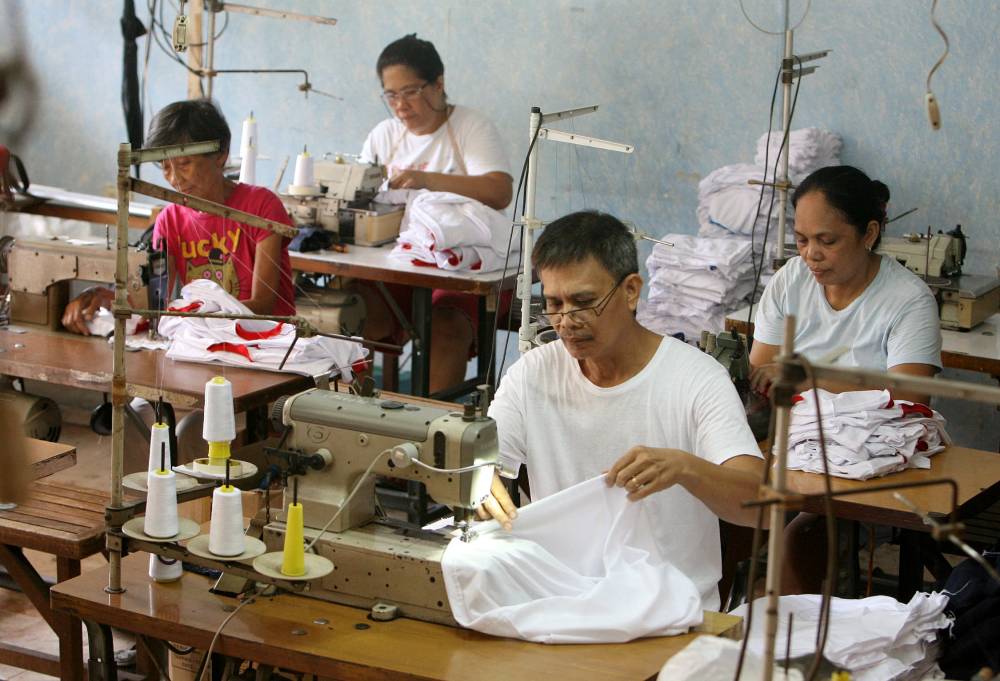
Philippine manufacturers are calling for targeted government support to spur a rebound, as elevated input and logistics costs are expected to persist despite the reopening of the Strait of Hormuz, an industry group said.
In a statement, the Federation of Philippine Industries (FPI), an umbrella group of the country’s leading producers and manufacturers, said any relief from easing oil prices would take time to filter through the domestic economy.
“Global oil prices may ease on the news, but domestic impact is not instantaneous,” FPI chair Elizabeth Lee said. “Businesses are still operating on higher-cost inventories, and adjustments in fuel, freight, and supply chains will depend on whether the ceasefire holds.”
“Even then, these adjustments will be gradual, as price transmission in the real economy operates with lags, frictions, and contractual rigidities—not in real time,” Lee added.
Manufacturing has been among the hardest-hit sectors from the Middle East conflict, with the Philippines’ purchasing managers’ index slipping to a three-month low of 51.3 in March, down from a nine-year high of 54.6 in February.
Logistics remains a primary pressure point, as elevated fuel prices have prompted shipping lines and trucking firms to impose surcharges, pushing transportation and related costs up by as much as 20 percent, according to FPI.
These increases feed through supply chains, adding to production costs and, in turn, consumer prices.
Beyond fuel, Lee said disruptions in the Middle East had also tightened the supply of petrochemical feedstock used in plastics and packaging.

Some manufacturers have been forced to declare force majeure or cancel export orders altogether, while others have turned to alternative sources at higher cost, keeping input prices elevated.
Targeted, time-bound ‘ayuda’
Lee said firms and households had already begun adjusting to sustained high energy costs, including reducing operating days and optimizing transport usage, signaling a broader slowdown in activity.
“The reality is that elevated energy costs dampen consumption, slow economic activity, and constrain industrial output,” she added. “Normalization will take time—it is not immediate.”
To address these effects, she called for “targeted, time-bound support” for manufacturers and micro, small and medium enterprises.