










‘Sari-sari’ stores growing faster in provincial areas — especially Bangsamoro, Negros Island

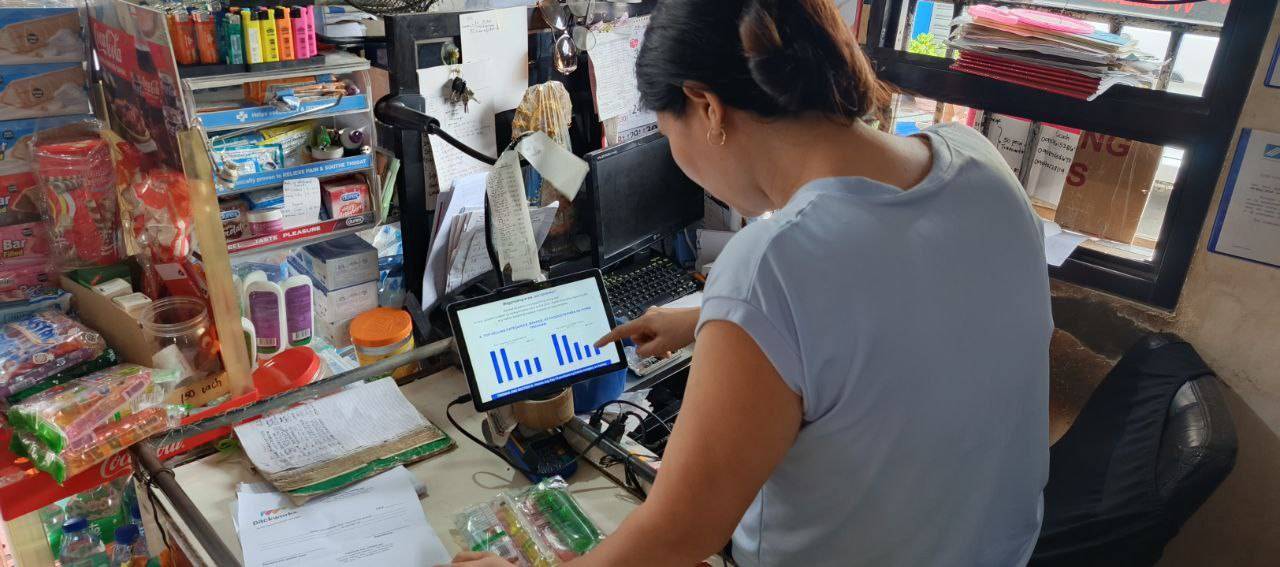
Growth in the Philippine “sari-sari” store sector shifted toward the provinces in 2025, with regional hubs outpacing Metro Manila in both expansion and transaction activity, according to a study by tech startup Packworks.
In its year-end report, Packworks identifies the Bangsamoro Autonomous Region in Muslim Mindanao (BARMM) and the Negros Island Region as the primary drivers of store growth.
BARMM recorded a 116-percent increase in active stores, while Negros posted a 58-percent rise.
These gains pushed the number of active stores nationwide to 213,051 as of end-2025, up 21 percent from 176,000 in 2024 and significantly higher than 133,000 in 2023.
“We are seeing a trend where regional economies are becoming the new centers of growth for the sari-sari store sector,” says Packworks chief data officer Andoy Montiel. “The rapid growth in regions such as BARMM and Negros suggests that regional store owners are quickly adopting tools to serve a much larger customer base.”
This expansion was also reflected in sales performance, with BARMM recording a 119-percent increase in gross merchandise value (GMV) and a 97-percent rise in transactions, while Negros saw GMV surge by 134 percent and transactions by 114 percent.
“As store owners in the provinces gain access to more resources, they are proving to be the economic backbone of their communities,” Packworks cofounder Hubert Yap says. “The surge in the regions shows that sari-sari stores are not just local fixtures, but are evolving businesses capable of driving regional economic momentum.”
Regional stores resilient
While Metro Manila lagged in store expansion, existing stores became more efficient. Transactions in the National Capital Region grew 37 percent, while GMV rose 31 percent.
Packworks’ report also points to resilience in disaster-hit regions.

In Central Visayas, GMV rose 7 percent following a 6.9-magnitude earthquake in September, reaching nearly P140 million in October before climbing to P158 million in December.
In Central Luzon, stores recorded a 15-percent increase in GMV despite Typhoon “Paolo,” with sales rising to P172 million in October and peaking at P199 million by December.
However, the study flags uneven development. Caraga posted an 11-percent increase in store count but saw app usage decline by 15 percent, which Packworks attributes to limited internet access.
These findings were based on an analysis of over 1 million monthly transactions across Packworks’ network of more than 300,000 stores nationwide.